


SIKKIM

Sikkim has become our third key destination in India (after Ladakh and Rajasthan). After 20 years of focus on Ladakh in the Indian Western Himalayas, it was long overdue to explore the eastern part of the Indian Himalayas. A brief visit in 1995 and an extended stay in Darjeeling and Kalimpong in the year 2000 (including Singalila trekking) were our first contacts with this state, which only joined India in 1975 and makes travelling around not entirely easy. With Nepal, China (Tibet), and Bhutan as its immediate neighbours, it is situated in a politically sensitive area that is safe for travellers, yet requires specific rules and restrictions. Visitors need an Inner Line Permit for Sikkim (valid for 30 days and easily extendable by another 30 days), as well as special permits for certain regions (North Sikkim, East Sikkim near the Tibetan border) and for trekking tours. Furthermore, Western travellers are partially not allowed to travel solo, but need a partner.
These regulatory requirements are handled routinely by the local agency. Once taken care of, warm hospitality, friendly and interesting encounters, a rich culture, and breathtaking landscapes await you.
Sikkim is a small region best explored at a slow pace. Due to poor road conditions (monsoons and winters take their toll), travellers are naturally compelled to adopt a leisurely speed and engage in physical activity. While wheelchair-accessible accommodation exists and drive-in access is available for certain locations, you will generally enjoy your time in Sikkim much more if you appreciate physical activity. Spanning altitudes from 300 to over 8,000 metres within a small area, Sikkim is predominantly steep. Rivers cut deep gorges between the mountain folds. Cycling here definitely requires well-trained muscles, plenty of gears, and reliable brakes. On foot, Sikkim’s diverse flora can be discovered exceptionally well. However, trekking and summit ascents are somewhat restricted due to the state’s border location with Tibet/China. The Sikkimese are strong walkers. A late-developed and incomplete road network, which occasionally collapses during the monsoon season, often forces locals to cover long distances on foot. Additionally, various homesteads cling high to the mountain slopes and cannot be reached by motor vehicles.
Culturally, Sikkim is a fascinating state featuring a colorful mix of ethnic groups, meaning there is no single definition of “a Sikkimese.” It is believed that the Lepcha were the first to settle here, coming from southeastern areas, and are considered the indigenous inhabitants of Sikkim. Shortly thereafter, the Bhutia arrived, originating from Tibet. Towards the end of the 19th century, Nepalis were actively encouraged to settle in Sikkim. As a result, the population grew from 30,000 in 1891 to 600,000 in 2011. Today, the Lepcha and Bhutia together account for only about 20% of the population, while Nepalis represent the largest ethnic group.
Sikkim became a kingdom in 1641, experiencing various historical turbulences in which neighboring India often played a role. In 1975, Sikkim joined India as its 22nd state, and the monarchy was abolished.
How Sikkim navigates this background is intriguing to observe – which traditions are preserved, how different cultures coexist, their perspective on the government, and more.
Getting Here & Getting Around
There are several options for travelling to Sikkim. First, you fly into Delhi or Kolkata, where you can choose whether to spend some additional time.
Delhi
From Delhi, you can either take a flight to Bagdogra or a train ride lasting at least 20 hours to Siliguri/New Jalpaiguri. The train journey can be wonderfully combined with a stopover in Varanasi. For the route to/from Varanasi, comfortable overnight trains are available.
Kolkata
From Kolkata, you can likewise choose between a flight to Bagdogra or an (overnight) train journey to Siliguri/New Jalpaiguri.
Bagdogra/Siliguri/New Jalpaiguri
You will be picked up by car from these locations. You can then decide whether to proceed directly to your first destination or take the opportunity to ride the famous Toy Train. The Toy Train travels at a very leisurely pace to Darjeeling. You can board at various stations along the route or take a ride directly from Darjeeling later. A journey on this classic railway line is definitely worthwhile!
Pakyong Airport
Sikkim has had its own airport near Gangtok since 2018. Due to poor visibility conditions, operations have frequently been disrupted, and scheduled flights are currently not operating.
Apart from the Toy Train, motorized transportation throughout the region relies exclusively on cars. While distances in this small state are often short, travel times can be long due to challenging road conditions. The monsoon season remains a constant challenge for road maintenance crews – affecting not only the road surfaces themselves, but also causing potential landslide risks.
Locals without their own vehicles mostly rely on shared taxis. Typically, 2 passengers sit in the front next to the driver, 4 on the middle bench, and 4 in the back – making for quite a crowded ride. Seats are sometimes pre-booked or occupied spontaneously on departure. Additional passengers are picked up along the way, with seats occasionally turning over multiple times. While sometimes uncomfortable, it offers an authentic experience. Anyone wishing to try this for a section of their journey is welcome to do so!

Accommodation
Sikkim offers widespread accommodation options across the region, catering to different tastes and budgets. Many properties place strong emphasis on traditional Sikkimese design.
While Heritage Hotels of the kind found in Rajasthan are less common, a select few do exist. Established either by the former royal family or built during the British era, these properties preserve historical heritage combined with comfortable interiors.
Among the numerous hotels and guesthouses in larger (tourist) towns – ranging up to 5-star ratings – many feature views of Mount Kanchendzonga, accessible directly from guest rooms or even from bed.
Those preferring scenic natural surroundings alongside comfortable amenities will find suitable options in local resorts or farmhouses. Morning bird songs, green surroundings, and rich flora and fauna can be appreciated directly from the property grounds.
The homestay concept has also gained strong traction across Sikkim. Families in various villages have adapted their traditional homes for guests, providing authentic insights into village life and local culture. Accommodations range from refined and elegant setups to simpler arrangements. Common to all is generous hospitality, great enthusiasm from hosts (many homestays being recently established), and delicious local cuisine.

Trekking
Sikkim is a trekking paradise. The landscape is extremely diverse due to Sikkim’s altitude of between 300 and 8,586 m and the routes are not overcrowded – in many cases you are even the only party at the overnight stay. One of the reasons for the low number of trekkers may be the official requirements: a trek must be organised by an agency, there must be at least 2 trekkers and a permit must be applied for. For most treks this is uncomplicated, for a few others one needs to organise half a year in advance. However, these are no real hurdles, as the permits are automatically organised by us.
In Sikkim, treks of different lengths are possible in various areas. You can go high up or stay lower down. There are routes in populated areas and where you hardly meet anyone. Even within the treks there are variations of the route. On all of them (except Singalila trek in the Darjeeling area), you take tents with you. The luggage is carried by horses, dzos (a mixture of yak and cow) and porters.
There are also many options in Sikkim for tours of 1 hour to 1 day. You don’t have to go on a trekking tour lasting several days to experience beautiful areas on two legs. But even if you do, it is a good idea to do some hiking in many areas to better enjoy the flora and fauna. It is also easier to meet people on foot than from a car. And some great sights can only be reached on foot, such as the Dubdi Monastery, which is 1.2 km from the road at Yuksom.

Buddhism-Hinduism-Bön-…
The majority of Sikkimese people practice Hinduism. However, traveling through the country often gives a different visual impression, as Buddhist prayer flags flutter everywhere and far more Buddhist monasteries are accessible for visits than Hindu temples.
Hinduism is practiced predominantly in private settings. Homes typically feature a domestic altar for devotional practices. Major public temples include the Chardham Sai Mandir in Namchi, the Sai Mandir in Legship, and several smaller shrines in Gangtok and other towns.
Public celebrations are vibrant and visible: major festivals such as Dussehra and Diwali can be witnessed across the state, Holi celebrations take place along M.G. Marg in Gangtok, and local processions for events like Hanuman Jayanti may be encountered more by chance.
Buddhism is practiced by under 30% of the population, primarily among the Lepcha, Bhutia, and Tibetan diaspora communities. Numerous monasteries across the state welcome visitors. Most operate as male monasteries, with Buddhist nuns being rarely encountered. Monastic life in Sikkim also features a distinctive local custom: many monks live conventional family lives and work regular jobs, donning monastic robes to perform ceremonies and rituals when scheduled. Village monasteries may consequently appear quiet at times, though dedicated individuals maintain the sites, perform ceremonies, and uphold religious teachings. Detailed information is available on this page:
A unique monastery is the Bon Gompa near Kewzing.
Besides the monasteries, there are now huge outdoor statues to admire, one of Padmasambhava at Samdruptse near Namchi, one of Chenrezig at Pelling and one of Shakyamuni at Ravangla.
Buddhists also have major festivities such as the monastery festivals (Enchey and Ravangla in early December, Phodong, Rumtek and Pemayangtse in February), Bhumchu Ritual (Tashiding in February/March), Phang Lhabsol (Gangtok late August/early September), Drukpa Teshi (Gangtok and Muguthang July or August) and Buddha Purnima or also called Saga Dawa (birth, enlightenment and death of the Buddha) as well as the Tibetan New Year festival Losar. There are also ceremonies at full and new moon in various Buddhist sites.
It should not go unmentioned that Christians, Sikhs and Muslims can also be found. Kalimpong in particular has a mix of faiths, and a walk through town past the different places of worship is well worth it.

Villages
Sikkim comprises 8 towns and 440 villages, making village stays an ideal way to experience local life and engage with the resident population.
Sikkim actively promotes rural tourism initiatives. In designated villages, established homestays and local guides offer activities such as village walks, nature hikes, wildlife observation, school visits, cultural performances (music and dance), storytelling, participation in agricultural activities, and traditional local meals.
Notably, Sikkim transitioned fully to organic farming practices in 2016. Visitors can learn about the impact of organic agriculture directly from local farming communities. Interactions with hosts and guides provide opportunities to discuss daily life, regional history, and community developments.
Village stays offer insights into community dynamics, the coexistence of traditional practices and modern life, local decision-making processes, and regional hospitality.
So you can shift down a gear, let the unhurried pace of village life rub off on you, and see what comes up.

Flora and Fauna
Sikkim features high biodiversity and is recognized as part of one of the world’s 36 biodiversity hotspots. Numerous species are protected within national parks and sanctuaries. Sikkim’s state animal is the Red Panda, an endangered species listed on the IUCN Red List that is rarely sighted due to its nocturnal habits in tree canopies. Snow leopards and bears are similarly elusive. Specialized wildlife excursions offer increased chances of wildlife observations. Sikkim is particularly noted for birdwatching, with 552 documented species, including several rare taxa.
Botany highlights include over 600 species of orchids, of which many grow wild and represent a point of regional pride. Wild specimens grow throughout the state, and concentrated collections can be viewed at the Flower Show in Gangtok. Additionally, 36 species of rhododendrons bloom in April and May. Across elevations from 300 to 8,586 metres, Sikkim displays diverse plant communities. Specialized botanical tours guided by plant experts and medicinal plant excursions are available.
Available natural history itineraries include:
- Single-day and multi-day birdwatching tours
- Botanical excursions
- Medicinal plant study tours
- Guided nature walks

Additional Activities
Sikkim offers an expanding range of activities and cultural visits. Let these ideas inspire you:
- Visits to Thangka painting schools
- Meditation sessions with a Buddhist Lama
- Traditional cooking classes
- Tea tasting at the Temi Tea Garden
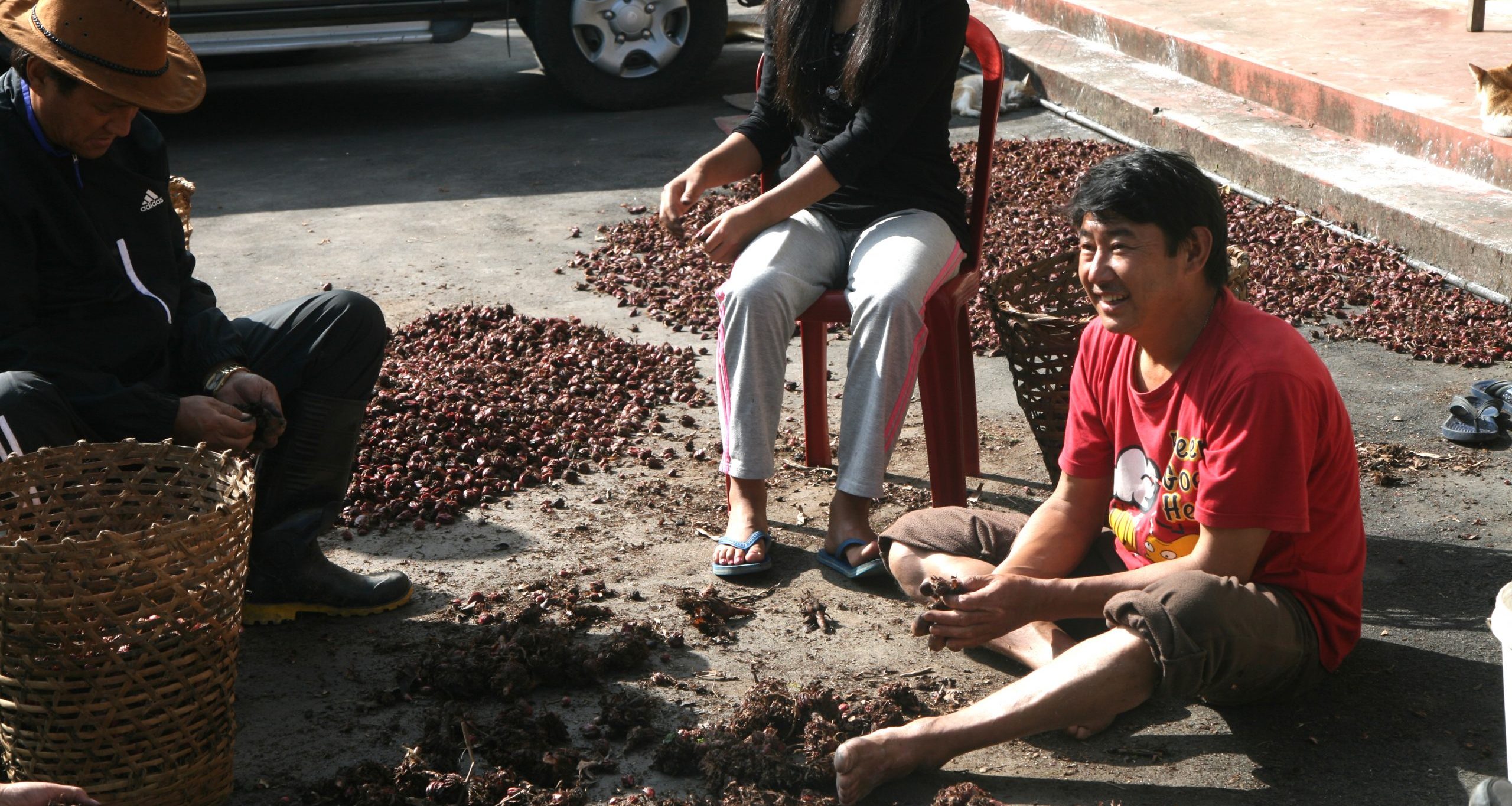
- Visits to local cardamom plantations
- White-water rafting on the Teesta River
- Consultations with an Amchi (doctor of traditional Tibetan medicine)
- Visits to a Tongba brewery with tastings
- Exploration of the sacred Buddhist cave Lho-Khandroh Sangpho
- Mushroom foraging excursions
- The Glass Skywalk in Pelling
- Char Dham / Siddhesvara Dham complex featuring the large Shiva statue in Namchi
- Ropeway (cable car) in Namchi
Surrounding Regions
While Sikkim offers sufficient attractions for extended travel, itineraries can be combined with neighboring destinations. Located between Bagdogra Airport / New Jalpaiguri Railway Station and Sikkim are the West Bengal hill towns of Darjeeling, Kalimpong, and Kurseong, which feature numerous historic and cultural sites.
For itineraries routed through Kolkata, spending time in the city is recommended, with overnight rail transit providing a classic travel option.
Combined itineraries linking Sikkim with Bhutan are also available. While each destination merits dedicated travel, combined regional tours can be customized upon request.
Custom travel combinations incorporating other regional destinations outside this list can also be arranged based on individual travel interests.
