

MADHYA PRADESH
Madhya Pradesh advertises itself with the slogan “The Heart of India” – and indeed, it offers a vast array of India’s many facets. There is hardly any other state as diverse as this one, bringing together so much of what defines “India”. For a first-time trip or to gain a comprehensive overview of these varied aspects, focusing your journey on Madhya Pradesh is an excellent choice. It features: major cities (Indore, Bhopal, Jabalpur), famous monuments (Khajuraho, Gwalior, Sanchi, Orchha), the largest tiger populations (including Pench, Kanha, Bandhavgarh, Panna, and Satpura National Parks), key Hindu pilgrimage sites (Ujjain, Omkareshwar), hiking regions (Satpura, among others), indigenous tribes with fascinating art forms (Gond, Bhil, Baiga), ancient rock paintings (Bhimbetka), stepwells (Mandu, Chanderi), India’s largest mosque (Bhopal), as well as villages and deserted royal cities (Mandu, Orchha). While tourist infrastructure is well-established, Western travellers are relatively rare.
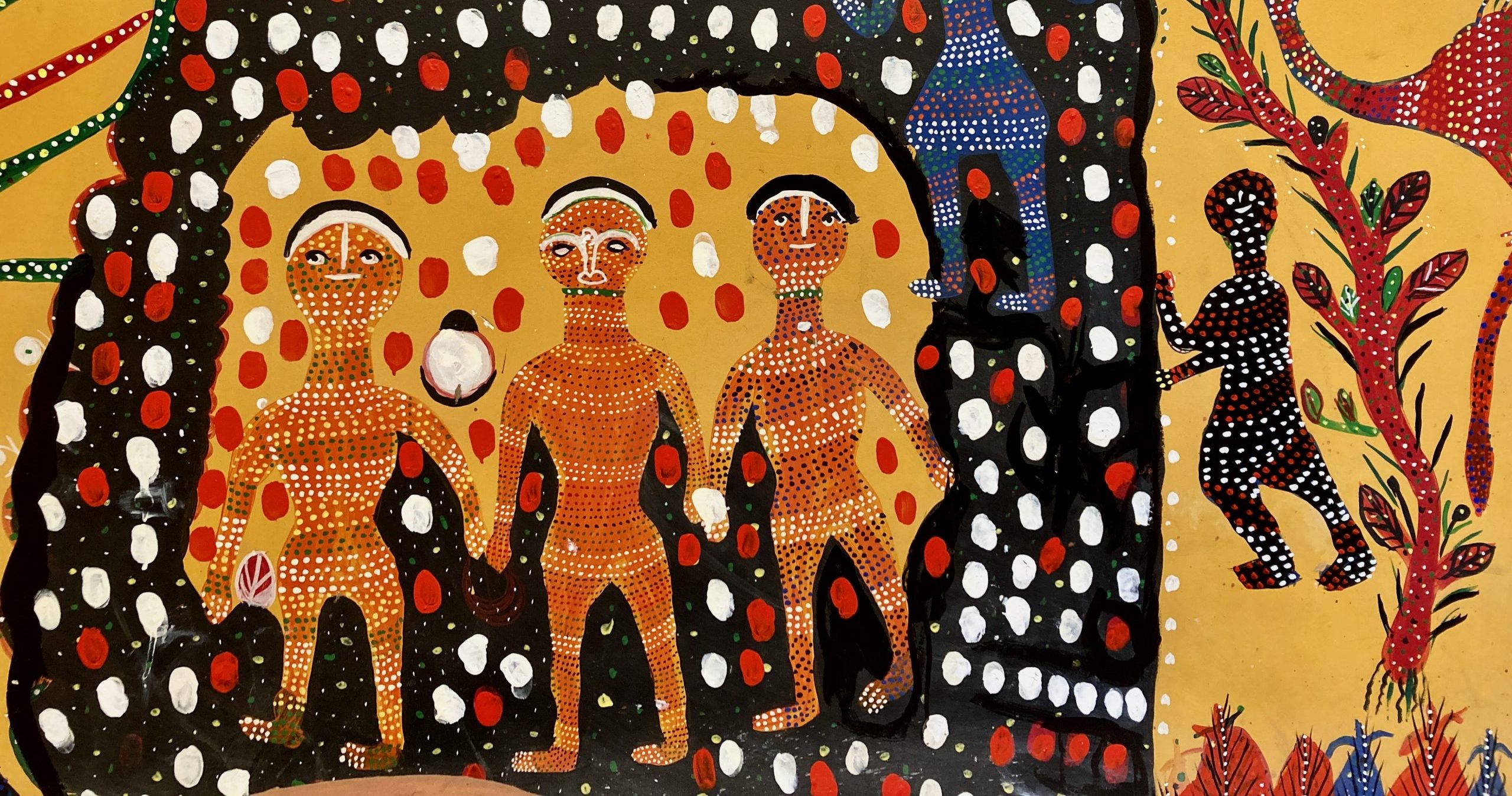
Madhya Pradesh is India’s second-largest state after Rajasthan and is nearly as large as Germany. Located almost exactly in the centre of India, “The Heart of India” is also geographically accurate. However, it is also considered one of the country’s poorer states. It is home to the great Narmada River, several mountain ranges (the Malwa Plateau, Vindhya Range, and Satpura Range), and just four cities with over a million inhabitants: Bhopal, Indore, Jabalpur, and Gwalior. The local population speaks Hindi and/or their respective tribal languages. Madhya Pradesh is home to a large and diverse indigenous tribal population, including the Gond, Bhil, Baiga, and Korku, whose daily lives are closely tied to the forest, agriculture, and seasonal rhythms. Their villages preserve distinct languages, myths, rituals, and art forms such as narrative Gond painting, which serves as a living expression of their worldview.
Whether you have visited parts of India before or are a first-time traveller: in Madhya Pradesh, you will explore a part of India that rarely takes centre stage, yet is structurally easy to travel through and has a wealth of experiences to offer. India without the tourist bloat!
Here you will find information on various aspects and itinerary ideas that we can integrate into your custom trip. Countless combinations of accommodation, safaris, sightseeing, cultural encounters, activities, and regions can be put together.
Getting Around
Located approximately 350 km from Delhi, Gwalior makes an ideal first destination and is easily reachable by car or train. Destinations located further away offer convenient sleeper train connections, allowing you to avoid domestic flights. Within Madhya Pradesh, travelling from place to place by car is the most convenient option.
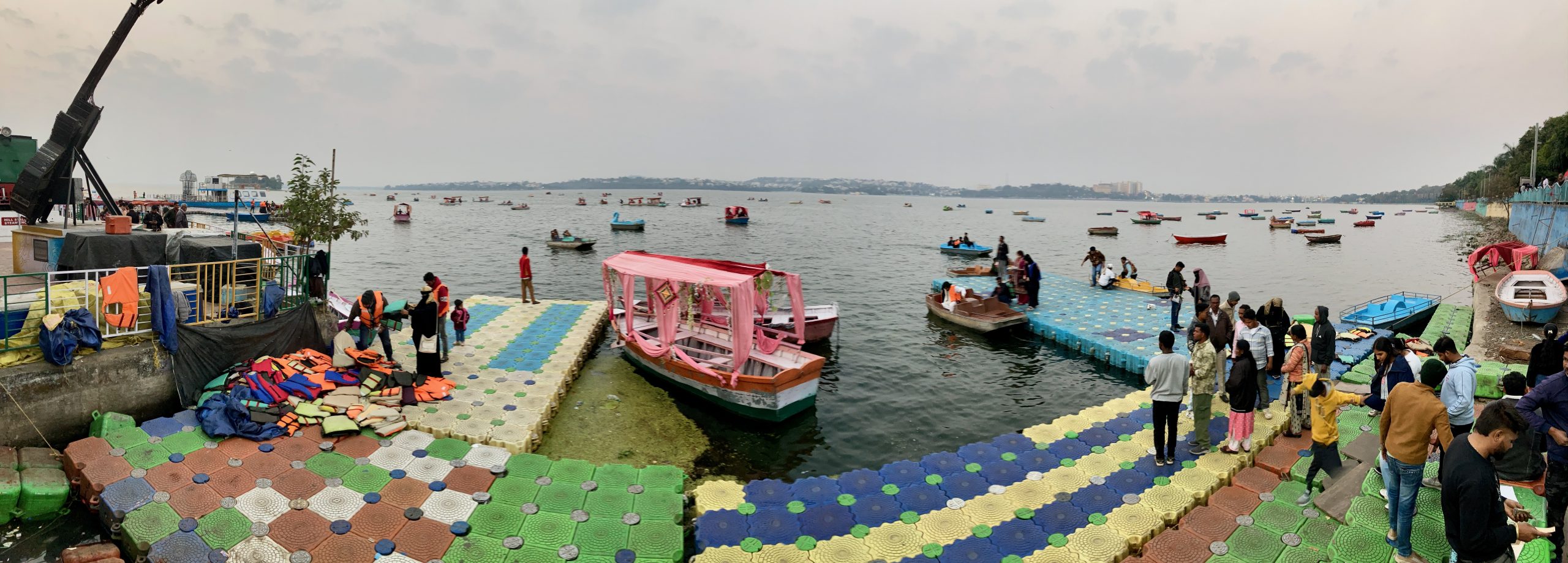
Madhya Pradesh offers several great opportunities for boat trips – whether a leisurely cruise on the Upper Lake in Bhopal, a boat safari on the Chambal River, or a boat tour on the Narmada River, either through the Marble Rocks or along the ghats in Maheshwar.
Safaris in the national parks are conducted in comfortable, small open-top jeeps.
Accommodation
The range of accommodation is broad, extending from 5-star hotels and heritage palace properties to classic safari lodges, guesthouses, and local homestays.
The properties run by the Tourism Board deserve special mention. While government-run accommodation elsewhere in India can be uninspiring or run-down, in Madhya Pradesh these properties retain their old-world charm, offering a distinctively authentic Indian ambience.
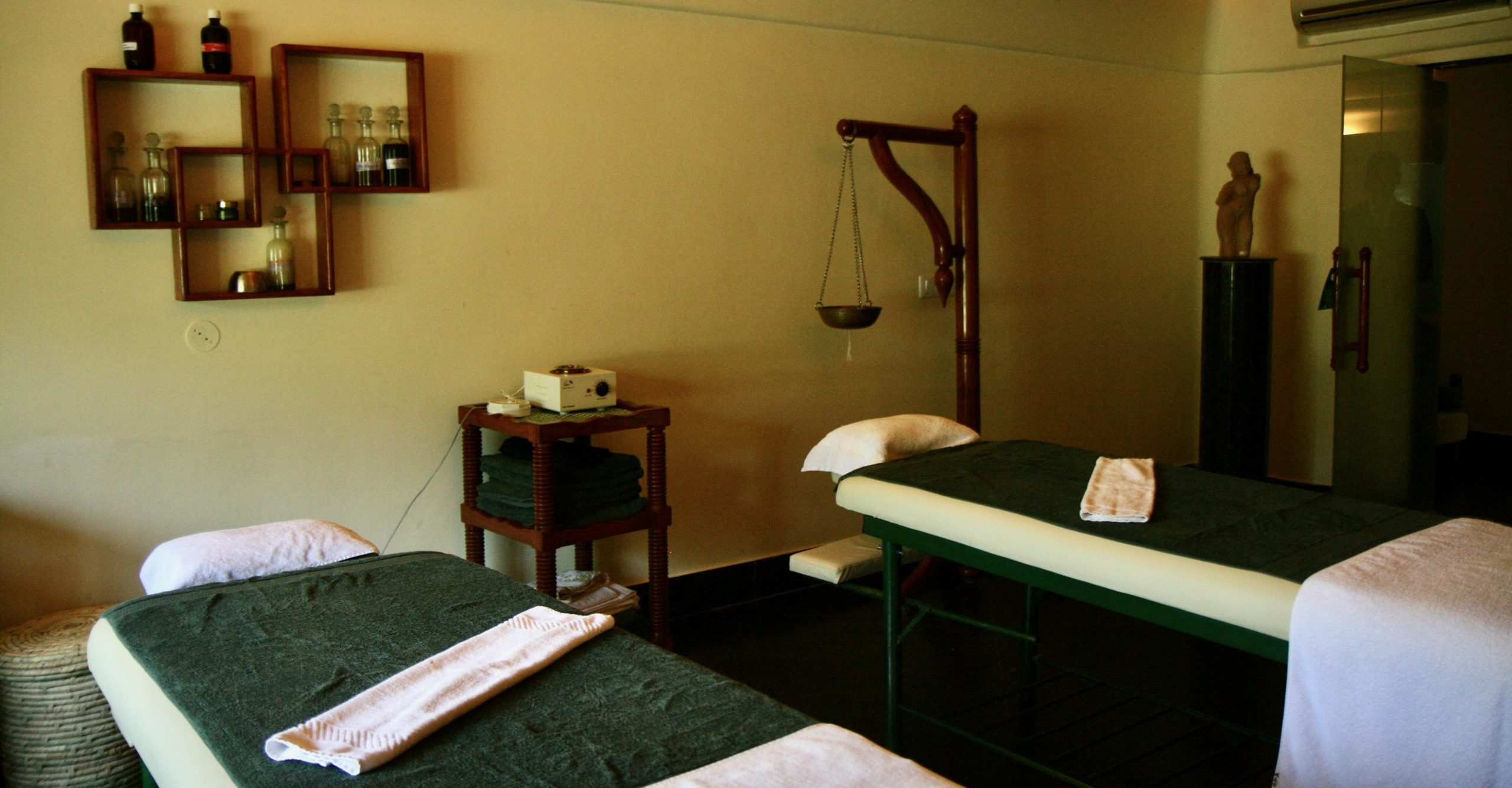
In upscale hotels, spa facilities offering soothing massages are also available.
Tiger Watching
Were you inspired by *The Jungle Book* and would love to visit the setting that inspired it? Although Rudyard Kipling never visited the region himself, his inspiration came from the forests of Seoni and Pench. Here, you can reconnect with childhood dreams!
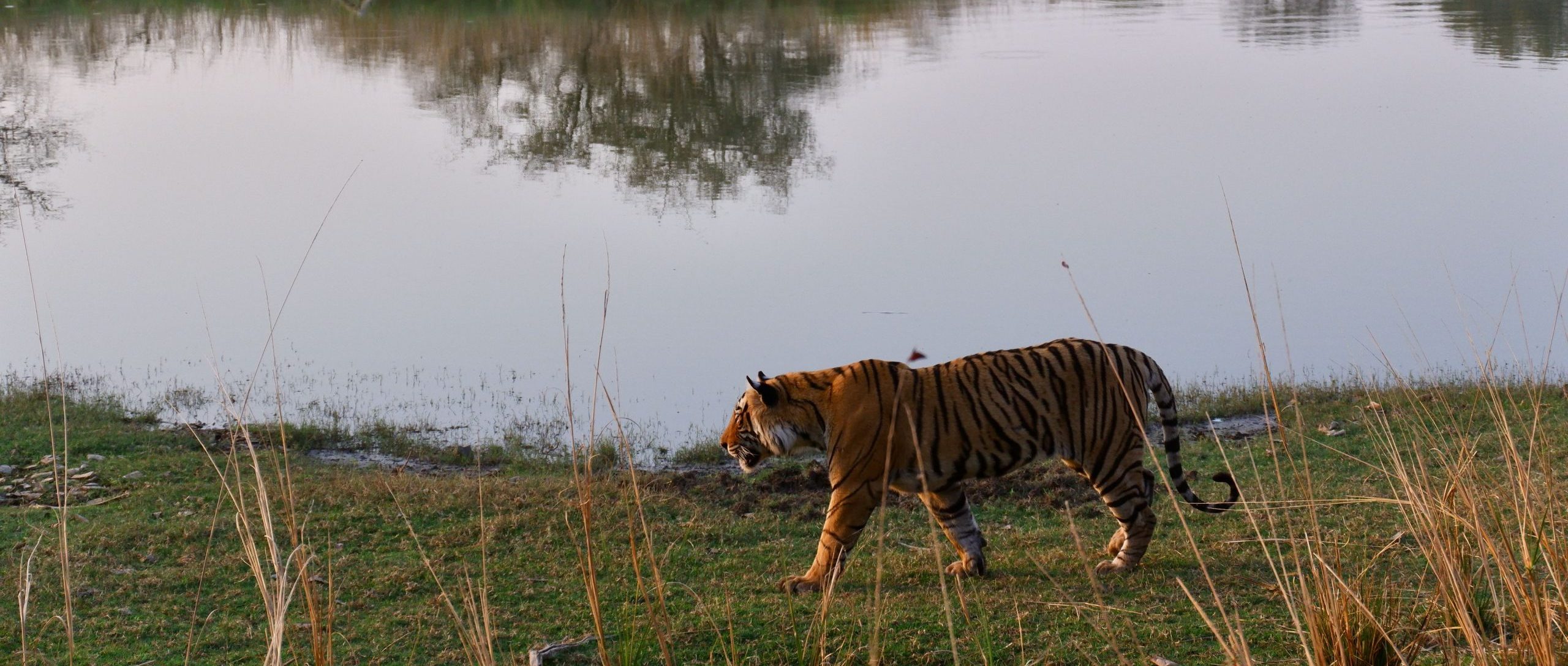
Madhya Pradesh is considered the heartland of the tiger. Here, tigers can be observed in their natural habitat across several national parks, including Kanha, Bandhavgarh, Pench, and Panna. Sightings typically take place on guided safaris in open 4WD vehicles, accompanied by forest rangers who know the animals’ movements and ensure safety. The chances of spotting a tiger vary depending on the season, time of day, and animal behaviour; pugmarks, tracks, and other wildlife are also frequently spotted.
In addition to tigers, the national parks are home to elephants, leopards, sloth bears, various deer species such as sambar, chital, and barasingha, as well as wild boars and nilgai. A wide variety of bird species, reptiles like crocodiles and gharials, and smaller mammals complement the wildlife diversity.
Safaris in the national parks are organised into fixed time slots to manage visitor numbers and protect the wildlife. Typically, there are two main daily slots: one in the early morning between roughly 6 am and 10 am, and another in the late afternoon between roughly 3 pm and 6 pm, when animals are most active. We book these slots in advance for you; during peak seasons and at popular parks, permits can sell out 2 to 3 months beforehand. During the “low season” for tiger viewing, spontaneous permits may sometimes be secured. The core zones of the parks are closed from July to September.
Monuments and UNESCO World Heritage
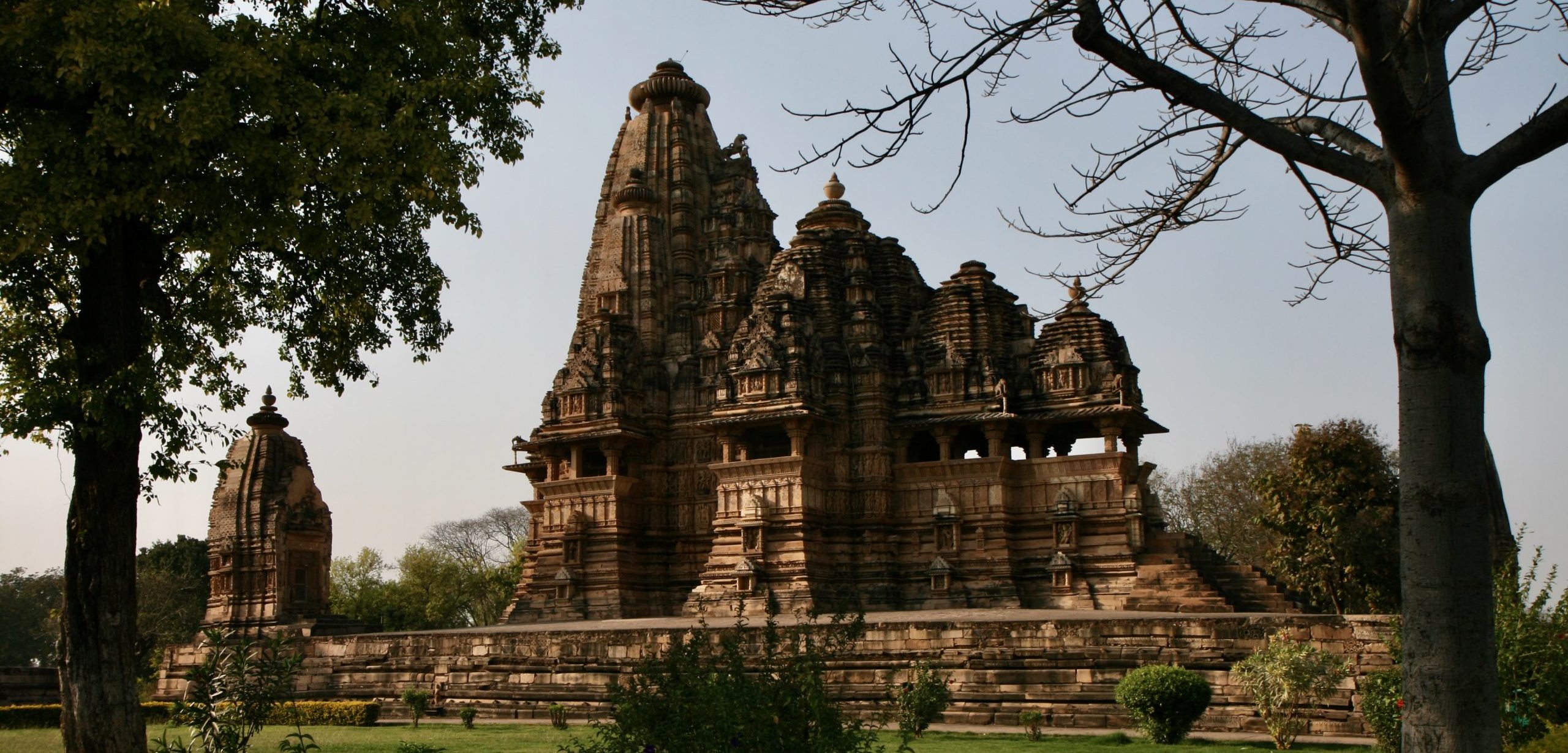
Madhya Pradesh boasts three UNESCO World Heritage Sites: Khajuraho, Bhimbetka, and Sanchi. Khajuraho is located in the same region as Orchha and Gwalior, while the other two are situated near Bhopal. Khajuraho features a complex of temples famous for their intricate erotic sculptures, Sanchi comprises a remarkable collection of Buddhist stupas, and Bhimbetka houses prehistoric rock shelters with ancient cave paintings – guaranteeing plenty of variety.
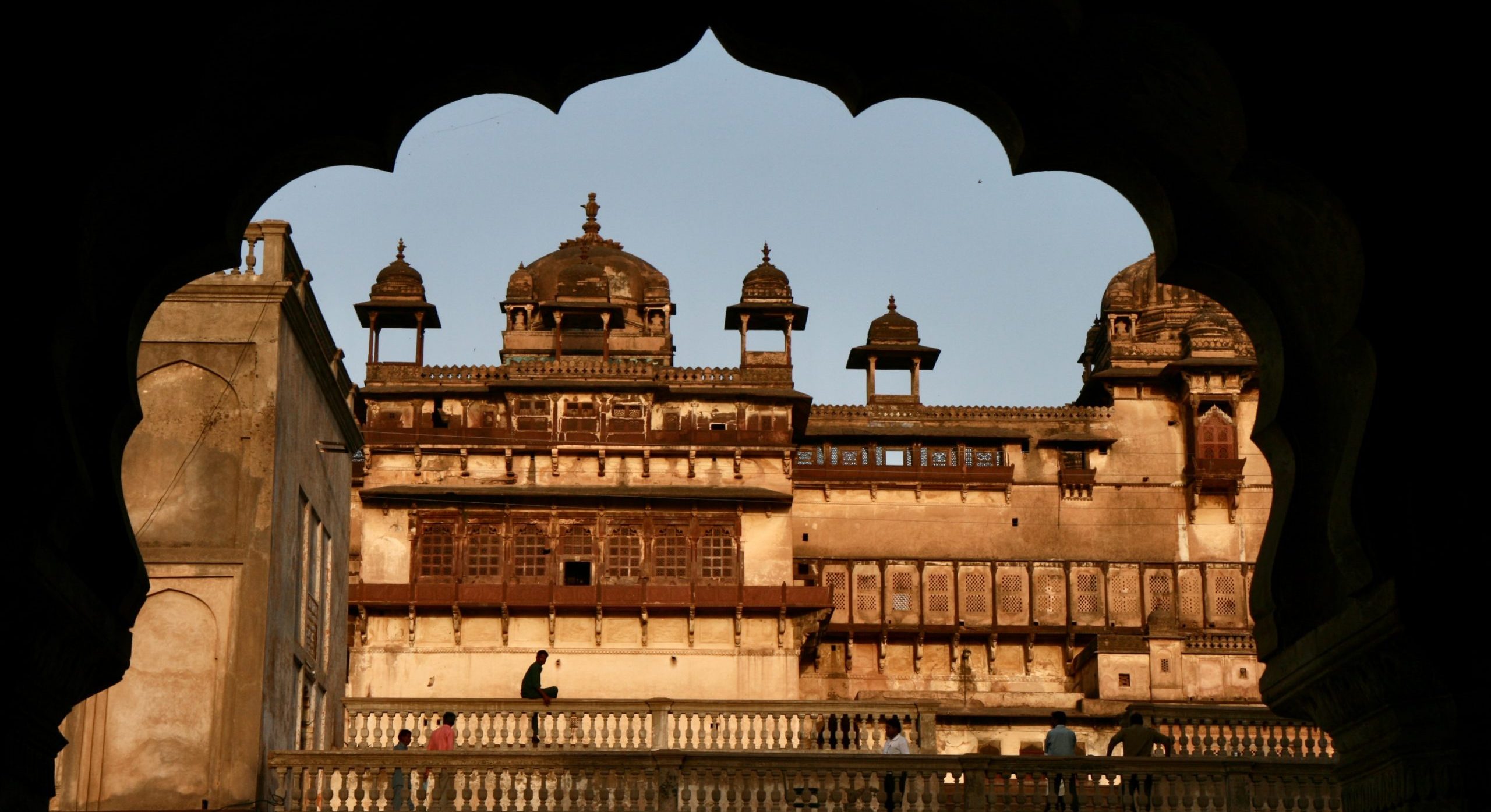
Other impressive historic sites include the grand Gwalior Fort, the palace complex in Orchha, the abandoned ruins of Mandu, and the striking Taj-ul-Masajid in Bhopal (India’s largest mosque). In addition, there are lesser-known yet intriguing monuments, such as the Chausath Yogini Temple near Morena (dedicated to the sacred feminine power), the Udayagiri Caves featuring 4th- and 5th-century Hindu rock reliefs, or the Ahilya Fort in Maheshwar, where visitors can also stay overnight. We can easily extend this list – if you enjoy exploring hidden, off-the-beaten-track sites, we would be delighted to incorporate them into your itinerary!
Hindu Temples
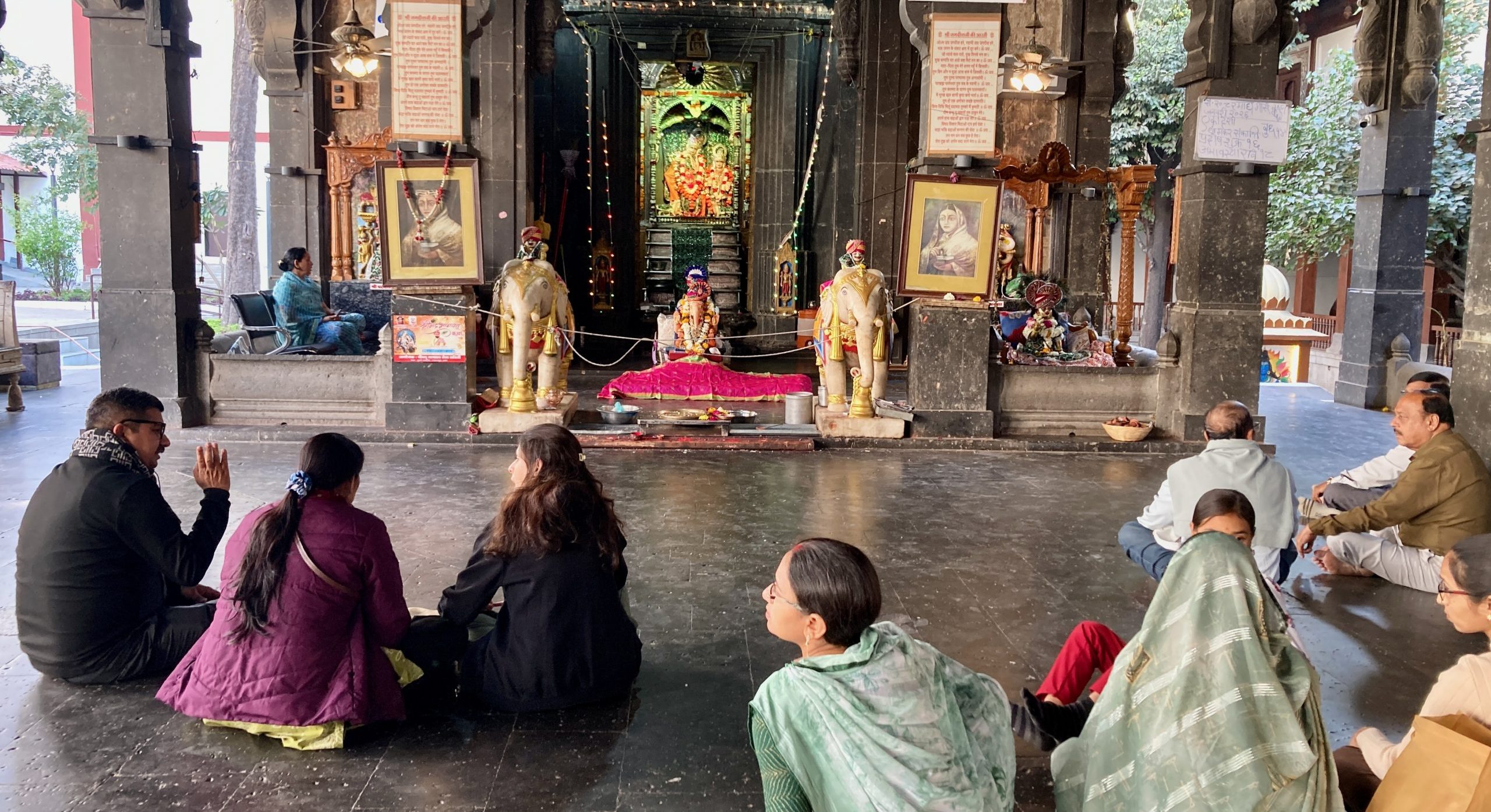
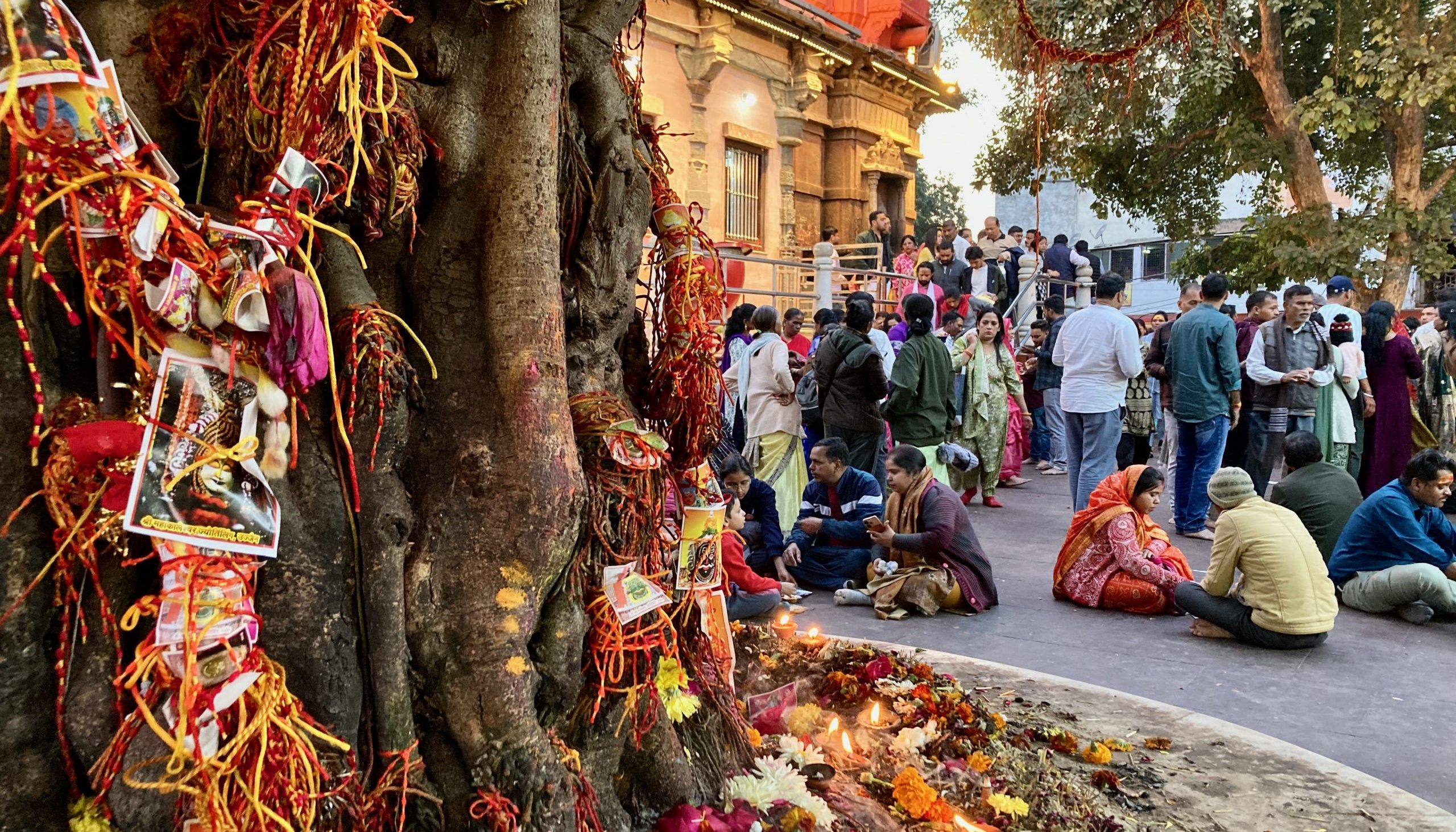
Hindu temples can be found everywhere across India, though not all are architecturally striking. However, observing devotees and their sacred rituals is always a captivating experience. In this regard, Madhya Pradesh features a truly extraordinary destination: Ujjain. It is revered as one of the holiest cities in Hinduism and is one of the seven traditional *Moksha Puris* (sacred cities where believers seek spiritual liberation). Its revered status stems from its association with the Mahakaleshwar Jyotirlinga (one of the 12 sacred Shiva shrines), its location on the holy Shipra River, and its role as a recurring host of the Kumbh Mela. Here, religious practice, ancient astronomy, and pilgrimage traditions have converged for centuries, creating a vibrant atmosphere often described as “Varanasi-light”.
Another of the 12 Jyotirlingas is located at Omkareshwar, situated on an island in the Narmada River. It attracts numerous pilgrims while maintaining a serene feel without the bustling city atmosphere. Approximately 70 km further along the river lies Maheshwar, a historic town featuring picturesque ghats and temples.
Attending a public Aarti ceremony (a devotional ritual with light and fire by the river) offers a deeply moving experience.
Two sites in Madhya Pradesh are connected to the epic Ramayana: Orchha, where Lord Rama is revered as a king, and Chitrakoot, a pilgrimage landscape of shrines, rivers, and forests where Rama lived during his exile. The aforementioned Chausath Yogini Temple near Morena is also significant, with two other such temples located within the state (one near Jabalpur and another at Khajuraho).
In addition, visiting a local neighbourhood temple along your journey is always rewarding.
Villages
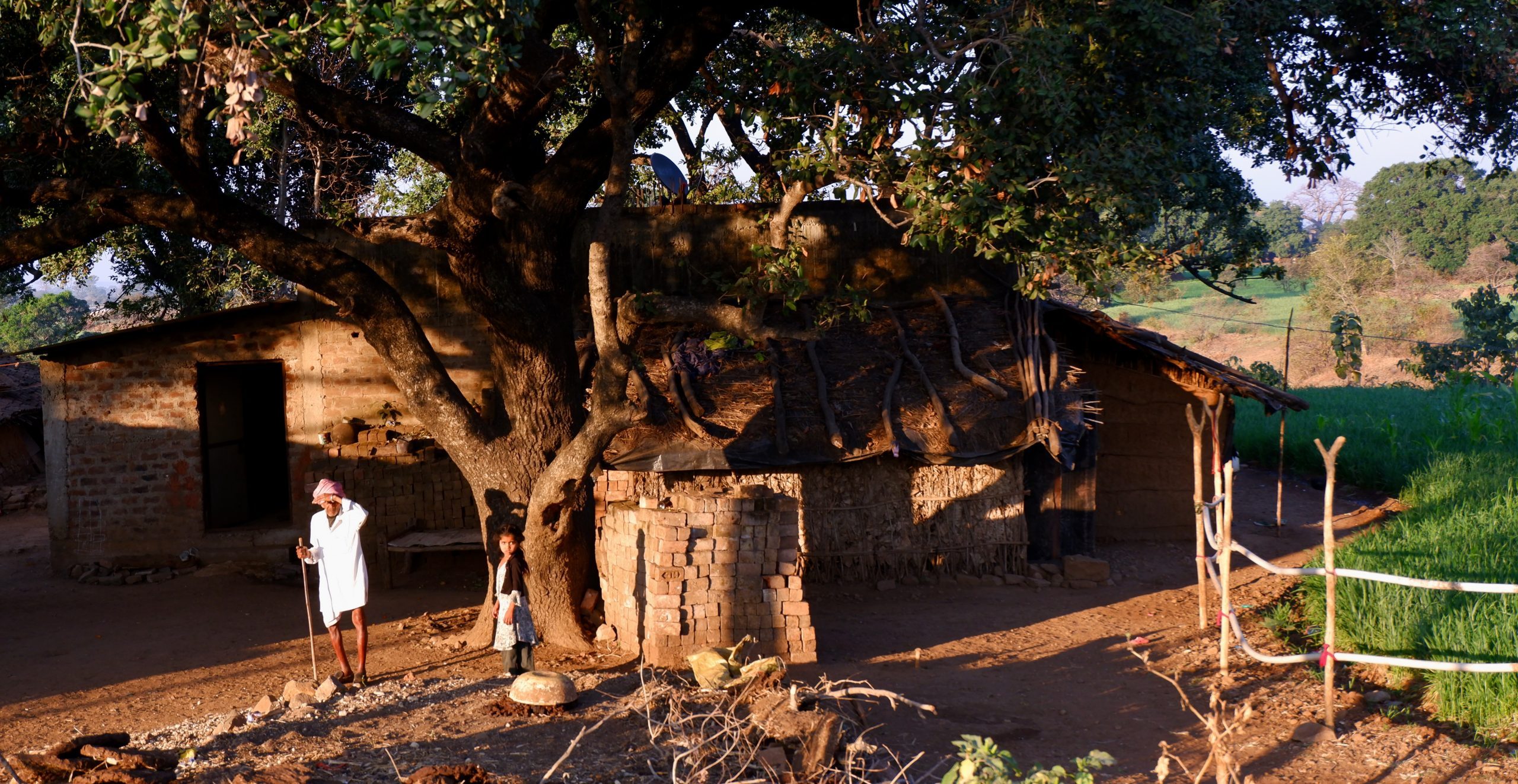
Village visits enrich your journey and offer deeper insights into daily life in Madhya Pradesh, where around 70% of the population resides in rural areas – a compelling reason to explore country life up close. The best way to experience this is by staying at a local homestay! Several homestays across the region provide opportunities to learn about local agriculture, traditional activities, and community life through warm personal encounters. Another highlight: homestays place a strong focus on authentic local cuisine, serving regional specialities rarely found in commercial restaurants.
Indigenous tribal communities predominantly live in rural villages, making village visits essential for learning about their way of life. In regions such as Mandla, Dindori, Seoni, or the Satpura area, meaningful cultural encounters can easily be arranged.
Orchha and Mandu both combine village charm with major historic monuments, offering a pleasant mix for multi-day stays.
Beyond rural life, the surrounding countryside invites visitors to enjoy walks, hikes, picnics, or wildlife spotting.
Ladpura Khas near Orchha provides insights into Bundelkhandi village life and regional festivals, while Gadarkhedi near Sanchi showcases community-driven farming and sustainable agricultural practices. In Bagh, homestays connect daily routines with traditional textile crafts, whereas in Satpura region villages such as Madai or around Chopna, the focus shifts to forests, rivers, and a tranquil pace of life.
Furthermore, you are always welcome to stop at a village along the route and explore on foot – with or without a guide. There is always something new to discover and friendly locals to connect with.
Beyond the cultural learning experiences, a village stay provides a wonderful opportunity to slow down, embrace the simplicity of rural life, unwind, and listen to the sounds of nature.
Art
In recent years, India has actively promoted visual beautification through street art and murals – a trend that is also widely visible across Madhya Pradesh. While conventional mural techniques are frequently used, designs also feature artistic patterns from indigenous tribal communities, who have developed a rich diversity of artistic styles and motifs.
Beyond public street art, a visit to the Madhya Pradesh Tribal Art Museum in Bhopal is highly recommended. It is a vibrant, brilliantly designed institution showcasing completed artwork and installations alongside informative displays, with new pieces continually being added. Khajuraho also features a fantastic museum (the Adivart Tribal & Folk Art Museum), where traditional tribal art forms are displayed within reconstructed authentic houses.
While textiles and handloom weaving are not as famous as in neighbouring Gujarat, Madhya Pradesh boasts unique textile crafts, including hand-block printing in Bagh and fine weaving traditions in Chanderi.
Festivals
In addition to the grand Kumbh Mela held every 12 years in Ujjain, Mahashivratri is celebrated with great devotion in Ujjain and Omkareshwar, drawing countless Hindu pilgrims. In Khajuraho, classical Indian dance performances take place amidst the ancient temple ruins during the Khajuraho Dance Festival in February. In December, Gwalior hosts the Tansen Music Festival (dedicated to Indian classical music), while the Bhil community celebrates its culture shortly before Holi during the Bhagoria Haat Festival in western Madhya Pradesh. The Gond community celebrates the Karma and Madai festivals, which vary in date; the former typically takes place in August/September, while the latter is held in February.
When planning your itinerary, we strongly recommend checking whether your travel dates coincide with one of these festivals, or with nationwide celebrations such as Diwali, Dussehra, Republic Day, Independence Day, or Holi.
Additional Activities
As highlighted above, Madhya Pradesh is a state of incredible variety. Beyond the experiences listed, here are further suggestions for activities and excursions:
Stepwells
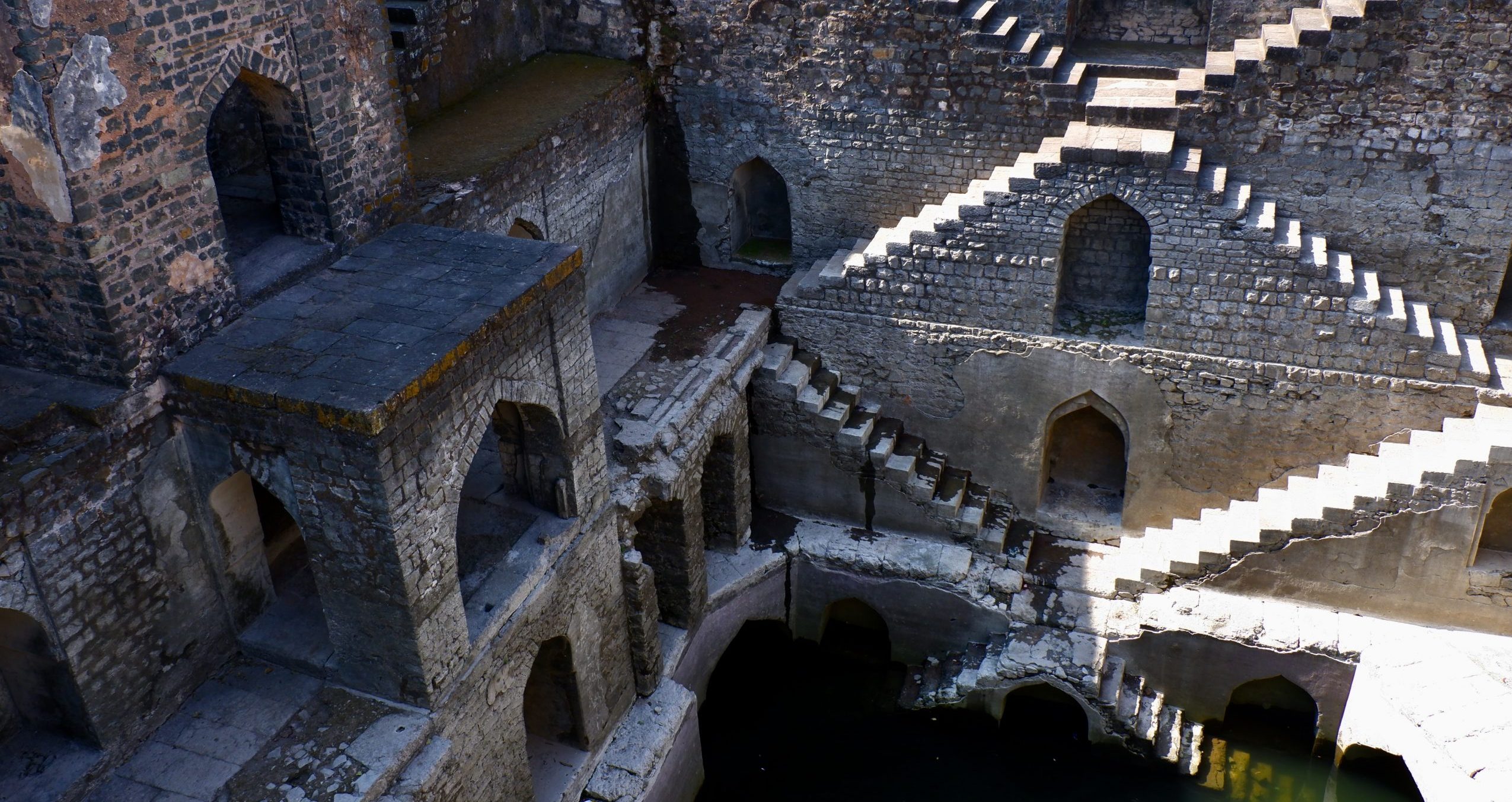
While Madhya Pradesh may not house stepwells that rank in India’s top ten, it features several notable examples, such as the Champa Baoli in Mandu or the Rajmati Stepwell near Chanderi.
Kanch Mandir Jain Temple in Indore
The Kanch Mandir, a Digambara Jain temple, features an interior intricately adorned entirely with coloured glass and mirrors. Built around 1903 by Sir Seth Hukumchand Jain, its design is truly unique. Please note that photography is strictly prohibited, as in all Jain temples.
Buddhist Relics
During the early Buddhist era, the religion spread across Madhya Pradesh, leading to the construction of various sacred sites. The most impressive among them is Sanchi, situated on a hill 50 km from Bhopal. Additional ancient stupa sites are scattered around the Sanchi area. Other notable locations include the Bagh Caves (historic rock-cut monasteries), Bharhut in the Satna region (remains of a famous stupa complex), and Deorkothar in the Rewa region (featuring further archaeological discoveries).
Satpura
The mountainous Satpura region and its national park feature striking landscapes, ideal for day walks, hikes, and multi-day trekking expeditions.
Amarkantak
Situated on a high plateau, Amarkantak is renowned as the source of the sacred Narmada River. The area features dense forests, rolling hills, and waterfalls suitable for day hikes, alongside numerous temples and pilgrimage trails that reflect the site’s spiritual importance.
Raneh Waterfalls
Located near Khajuraho, the Ken River forms a dramatic canyon and waterfall landscape – a perfect destination for a day excursion!
Gharial Spotting
You can attempt to spot the critically endangered gharial (Ganges crocodile) during a boat excursion at Palighat or along the Ken River.
Sarod Ghar
A unique museum of musical instruments located in the 300-year-old ancestral home (renovated in 1996) of the legendary Bangash musician family in Gwalior.
Cooking Classes
To gain deeper culinary insights into Madhya Pradesh cuisine, we can arrange hands-on cooking classes at various locations.
If you read, see, or hear about other places, activities, or attractions that you would like to include in your trip, simply let us know – we will gladly incorporate them into your itinerary!