


KERALA
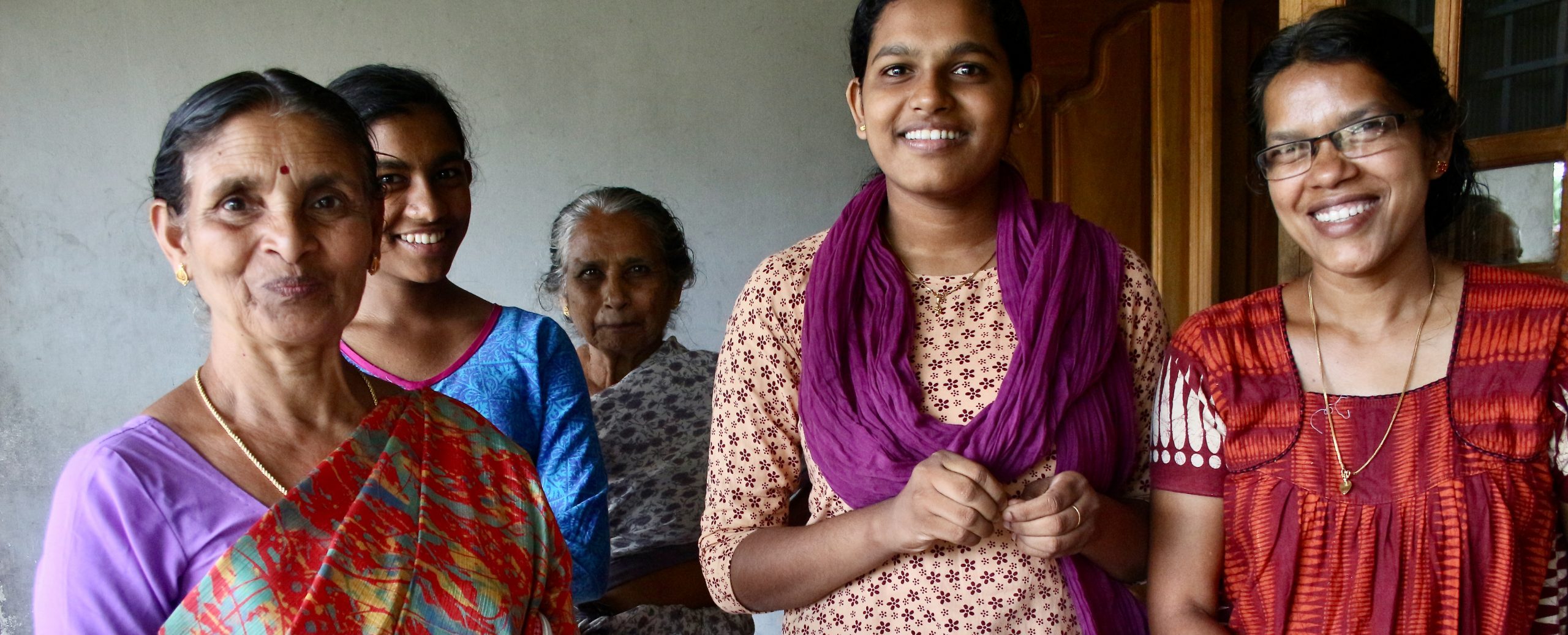
Deep down in the West of India there is a small state sticking at the coast: Kerala. In quite some aspects it is very special: the communist party changes with the Congress party in the gouvernment, it has the highest literacy-rate (93,9%), the the lowest corruption and an interesting mix of religions: 55% hindus, 27% muslims and 18% christians. 5% of that (majority in the mountains) are Adivasi. Caused by a low birthrate and a high emmigration to countries of the arabic gulf-area, the growth of population is moderate. Due to migration quite some money comes back to Kerala and helps for a comparable high living standard.
It is of historical interest, that islam didn’t arrive by the conquering mogul of the north, but arrived by arabic traders. With the main crop of rice, coconut, rubber, coffee, tea, betelnut, pepper and other spices the coast of Malabar was attractiv for the sea-trade. Also today agriculture creates a hugh part of income.
In terms of landscape Kerala has to offer a lot: next to a beautiful coast with sandy beaches and the famous backwaters the Western Ghats are reaching high above 2.000 m. Here one can enjoy, who feels the tropical climate in the lowlands to exhausting.
Kerala offers enough for a diversified trip – but for sure one can also combine it with the neighbouring states Karnataka and/or Tamil Nadu.
We are specialised in the village-tourism in Wayanad, a less known but very attractive travel-destination, which especially leads you to the life of the Keralites!
Below we are introducing some topics in short which will be of interest for your stay in Kerala. For sure we’d deliver more informations you wanna know!
Arrival and On the Road
Kerala has three international airports: Thiruvananthapuram, Kochi, and Kozhikode. You can therefore arrive directly from Europe (or with a stopover, as there are no direct flights) — or find a more economical option via Delhi or Mumbai combined with a domestic flight.
On the ground, traveling by car is the most convenient option, though the train is also a good choice for certain routes. On Kerala’s many backwaters (not just the famous ones in Alleppey) and other waterways, boats are the best mode of transport.
Accommodation
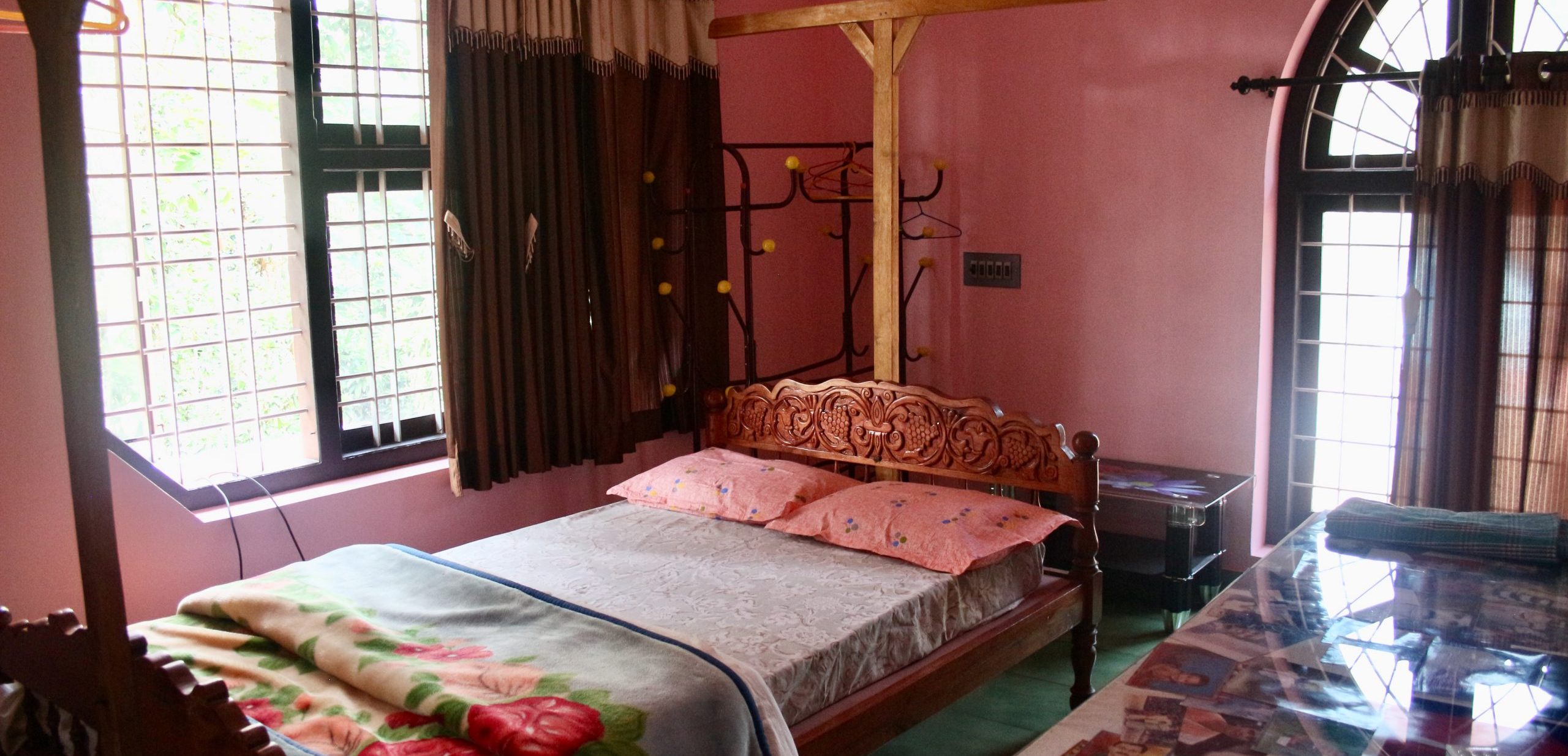
Kerala is suitable for roundtrips andd therefore experiencing a variety of accommodations. Next to fancy resorts with Ayurveda-offers (classic or wellness), there are also charming smaller houses and garantued family-bonding and homemade food in the homestays in Wayanad and elsewhere in Kerala. Attractive are also multiple-day-tours in the backwaters using a beautiful houseboat also for the nights.
Culture
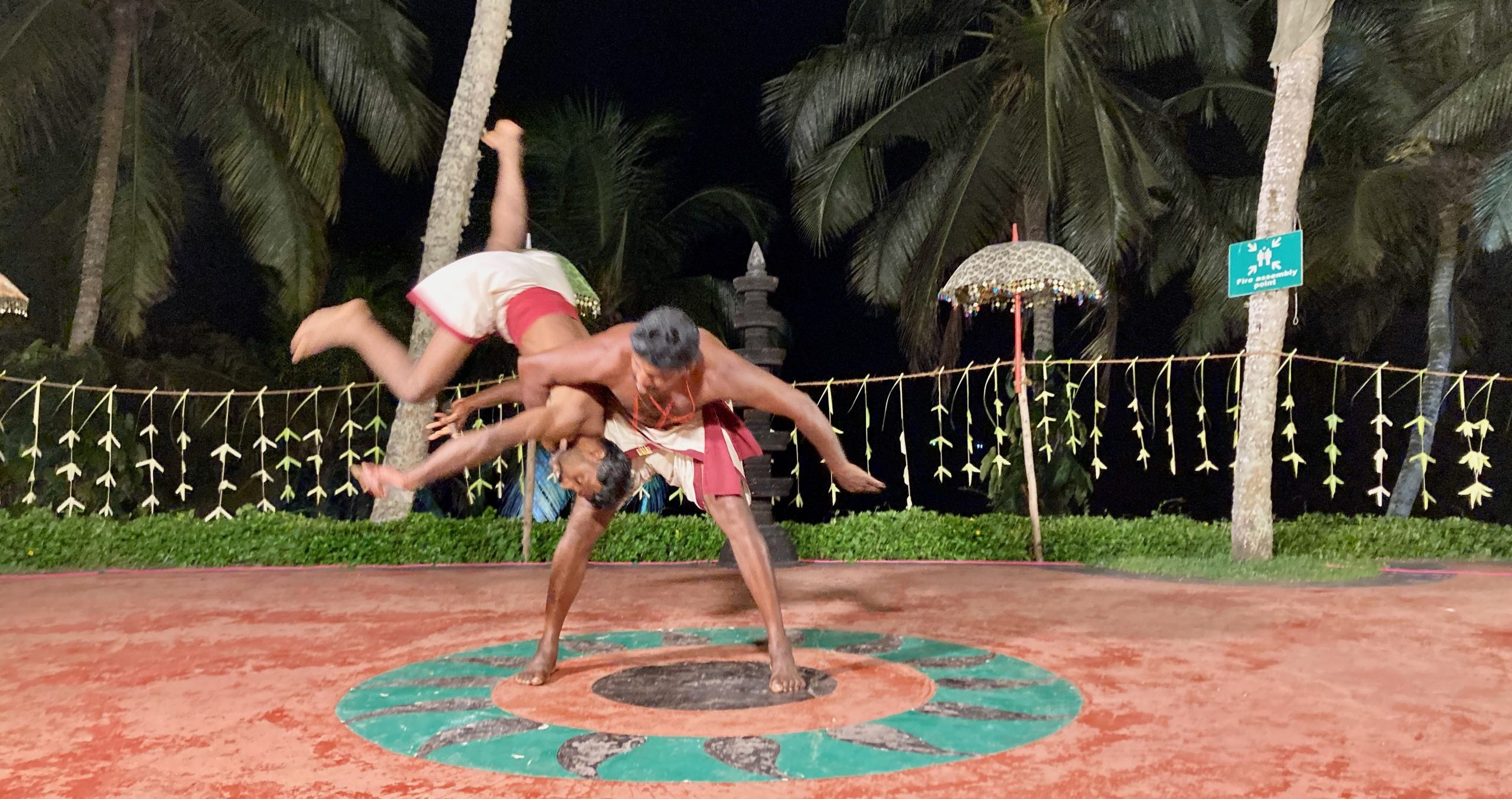
Kerala offers in different fields cultural experiences. Literarily a lot is published in the local language malayalam, but the classic read “God of small things” of Arundhati Roy is in english a good starting literature. Famous even far wider than Kerala is the Kathakali-dance, a combination of music, dance, pantomime and drama together with elaborate costumes about mythical-religious topics. Show you can see at different locations. Theyyam is another ritual dance with great costumes and masks, which is far-spread in the north of Kerala. But you can also have other dancing performances in your itinerary. Kalarippayat is an age-old indian martial art, the performance is really impressive.
A very different kind of highlight is the Kochi Biennale, held every year. Since 2012, contemporary art has been showcased here every two years in abandoned colonial buildings, old factories, churches, synagogues, and outdoor spaces. International artists exhibit alongside local artists, who are actively supported and promoted. The Biennale has turned Fort Kochi into a cultural hotspot, where cafés, galleries, and art projects benefit from its influence throughout the year.
Religion
Due to its diverse religious mix, Kerala has a wide range of Hindu temples, churches, and mosques to visit. The state is often seen as a model for the peaceful coexistence of Hinduism, Christianity, and Islam. In Kochi, there is even a synagogue. There used to be a thriving Jewish community, most of which emigrated after the founding of Israel.
Kerala’s Hindu temple landscape has some unique features. In Sabarimala, there is a very famous and popular Ayyappa Temple, which may be entered only by men (and women after menopause). The Sree Padmanabhaswamy Temple in Thiruvananthapuram (dedicated to Vishnu) is considered one of the richest temples in the world — and is not open to foreigners. There are enormous statues of Shiva, Krishna, Ayyappa, and Hanuman, as well as the tallest lingam (34 m) topped with a flying Shiva.
Christianity also has several impressive and historically significant churches. Kochi and its surroundings feature the best old buildings, including St. Francis Church, the Santa Cruz Basilica, St. Anthony’s Shrine, and the Malayattoor Church with its spectacular views.
Kerala’s mosques, originally built without minarets, are mainly found in the north, around Kozhikode and up to Kannur. They are not as imposing as some other mosques in India, but they offer a lively religious experience.
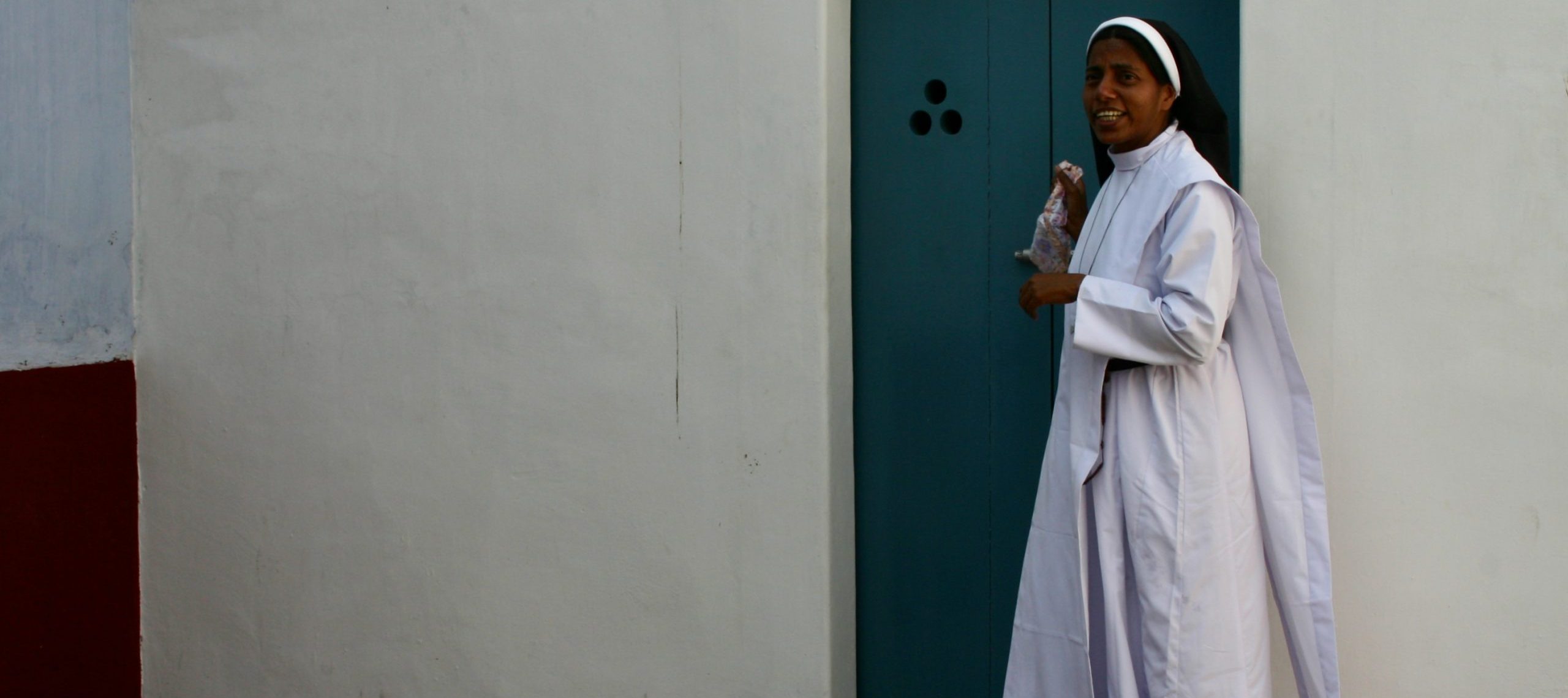
Food
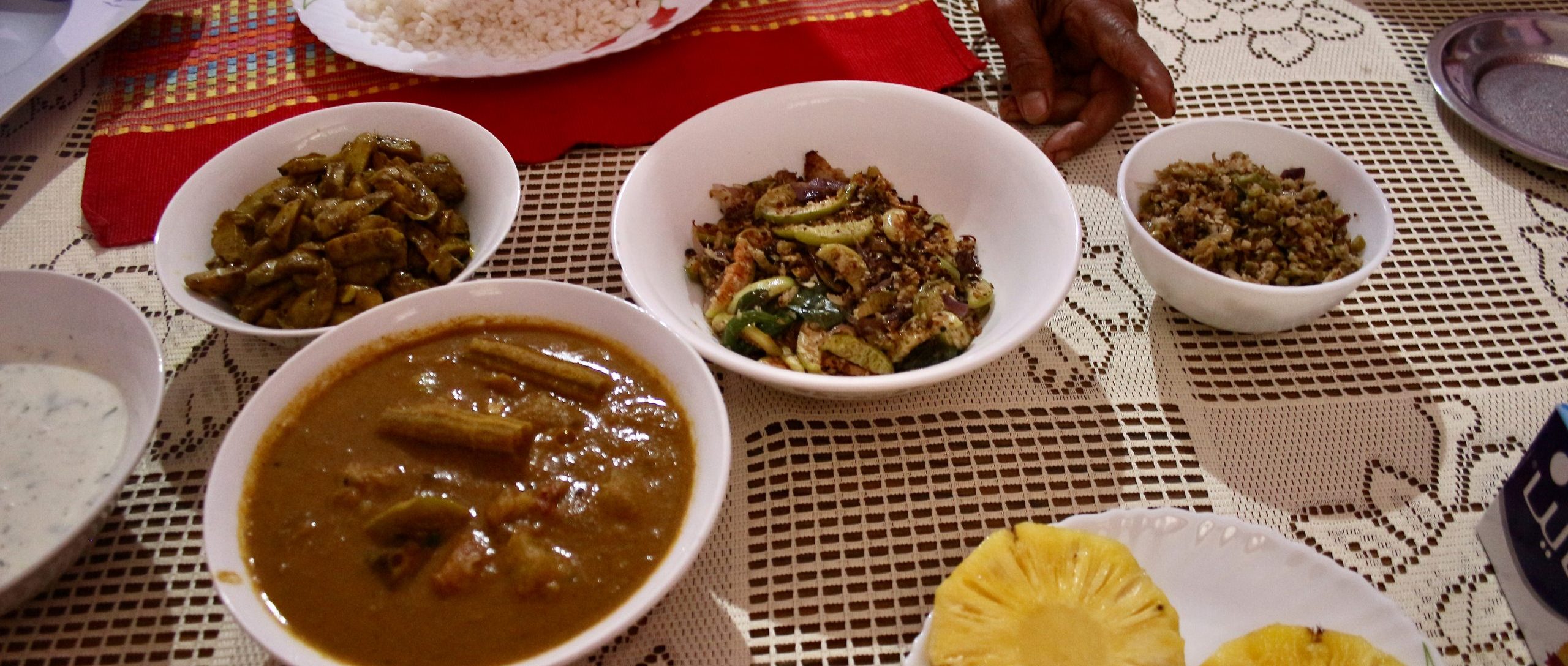
The cuisine of Kerala offers a huge variety and is very tasty. Next to the here growing spices many coconut-products and Tapioka are used. Who likes can easily get veg dishes, but also consumers of meat and fish will find delicious offers. You will not only have great food offered (sometimes served on a banana-leaf), but can learn the basics in a cooking-class. Usually the food in Kerala is cooked very spicy, but if you have difficulties with that, your host can also do a milder version. Have you ever try to eat with hands only? Here you have a good chance to try!
Spices etc.
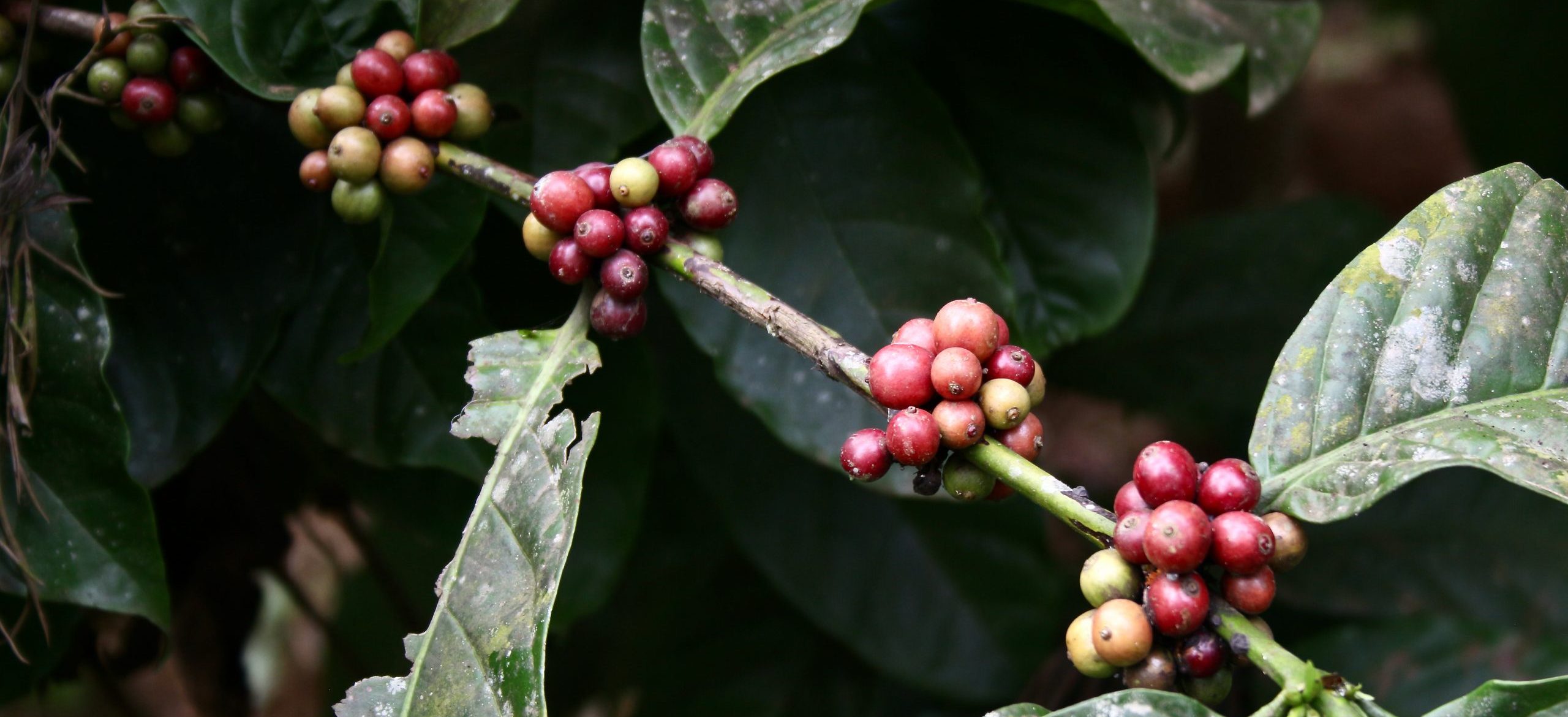
Kerala is dominated by agriculture. Spices grow next to paddy fields, below coconut-palm-tress, between bananaplants and coffee-bushes. But not only eatable plants are growing here but also plants for medical use, especially for ayurvedic treatment. Take the chance and see yourself how the plants are growing and being harvested.
Manufactures
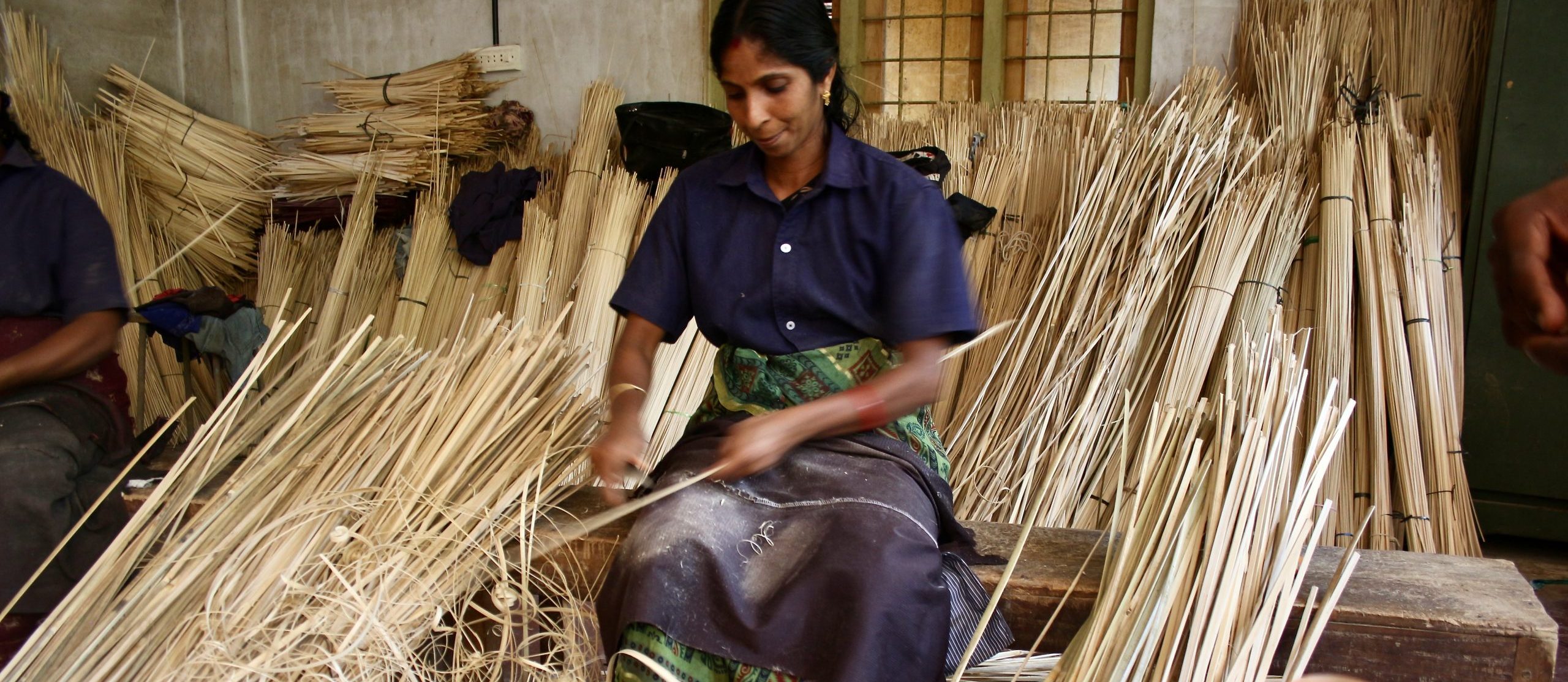
India is THE country, where lots of things are prouced manually. Often in quite plain houses or corners one can find manufactures, which produce incredible things. Also in Kerala are many. We want to emphasise especially the manufactures in Way – you can observe the production of chocolate, bamboo-items, pickles, baby-food, pottery etc.
School-visit
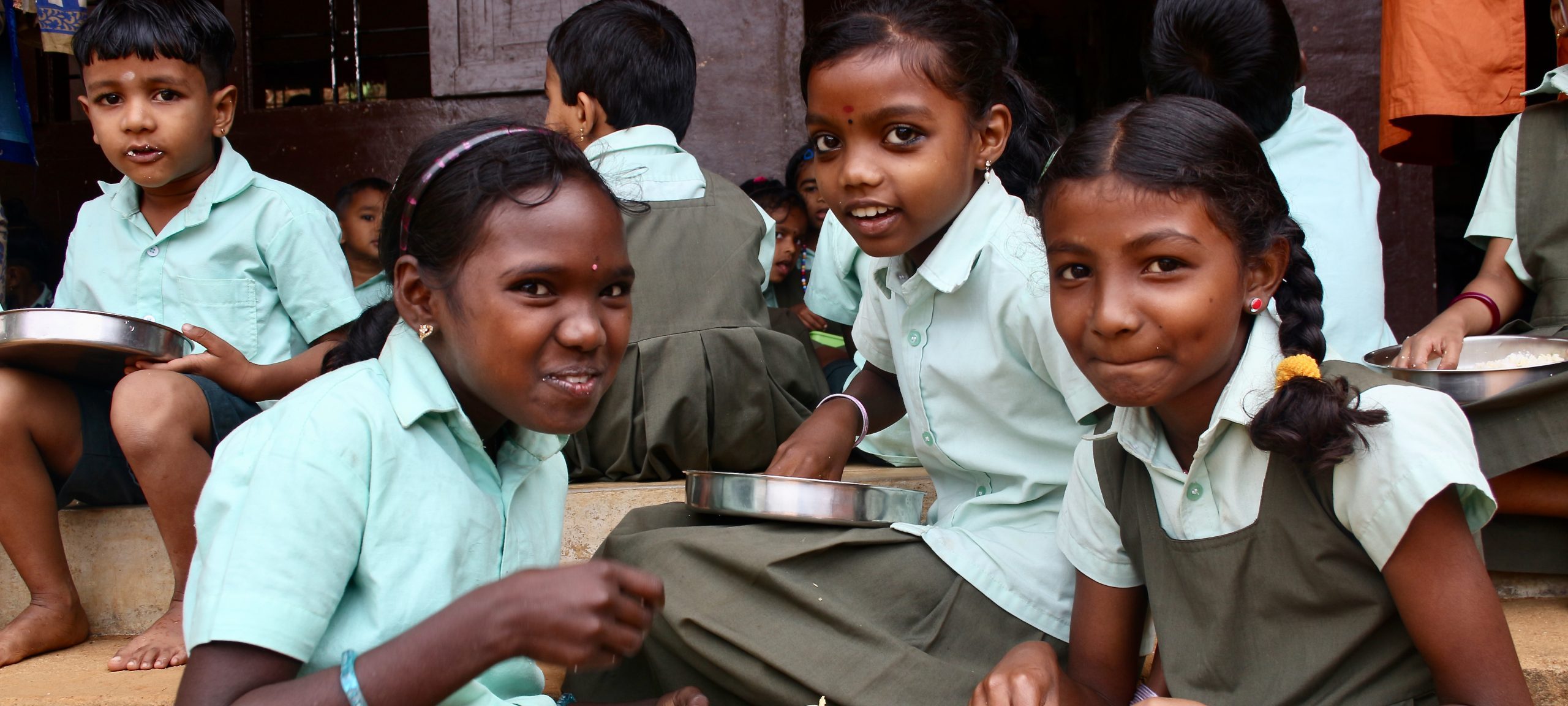
Kerala does quite a lot for education and especially literacy. Different types of schools are available for the children. Would you like to see how they teach? Then a school visit is a good idea! In this primary school in Mothakkara we did the Kamerakidz project. More details on the Kamerakidz-Website.
Backwaters and other natural sightseeings
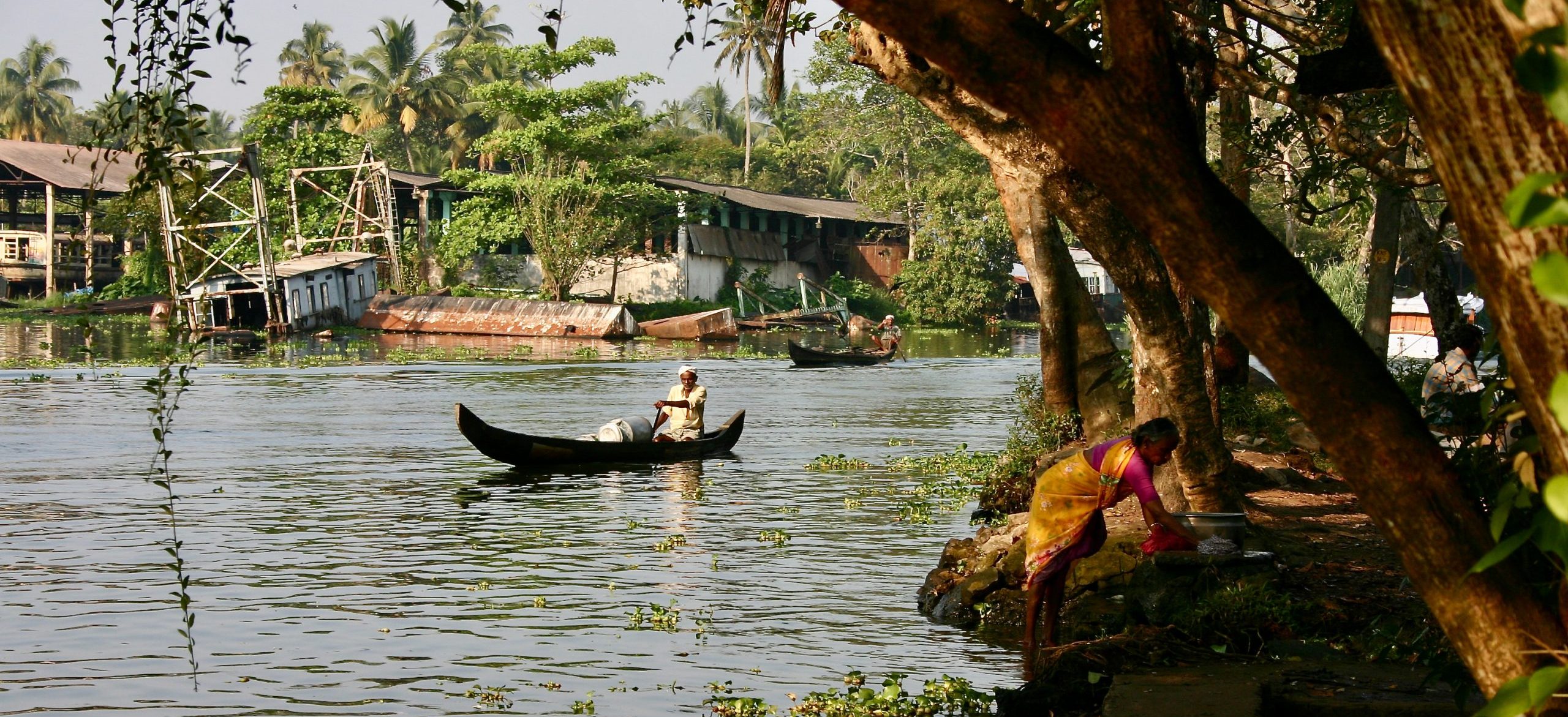
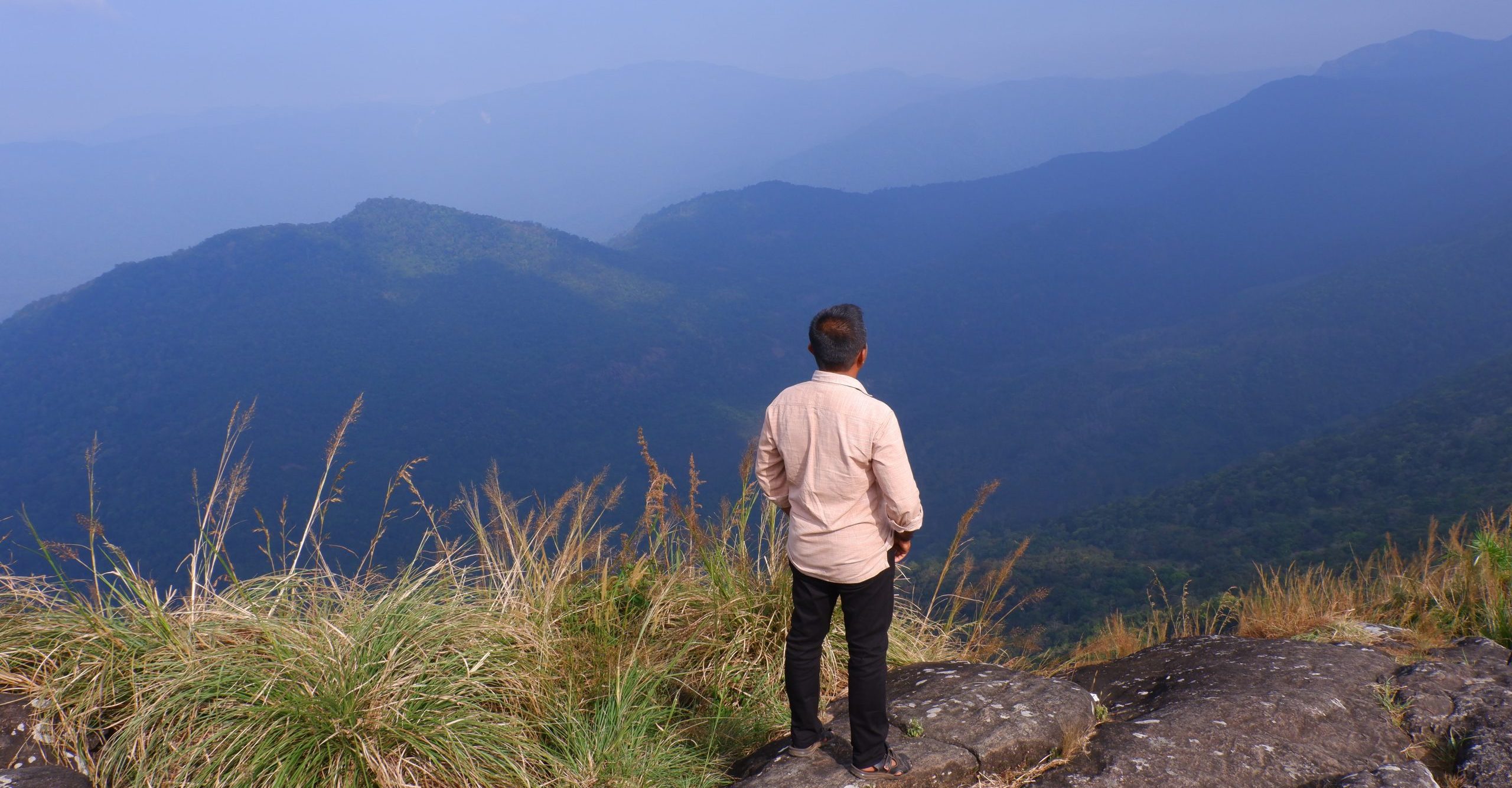
Unique is the landscape of the Backwaters – a far branched out network of waterroads on 1900 qkm. 1500 km long are the natural rivers and canals. People use these for transport and therefore many settled down here. The fragile ecosystem is unfortunately in danger due to strong interference of humans. Nevertheless is a tour a fascinating experience. The Periyar-Nationalpark is suitable for animal-spotting. And in the Western Ghats there are beautiful waterfalls, lakes and mountains with shorter and longer walking-opportunities.
Villagetourism
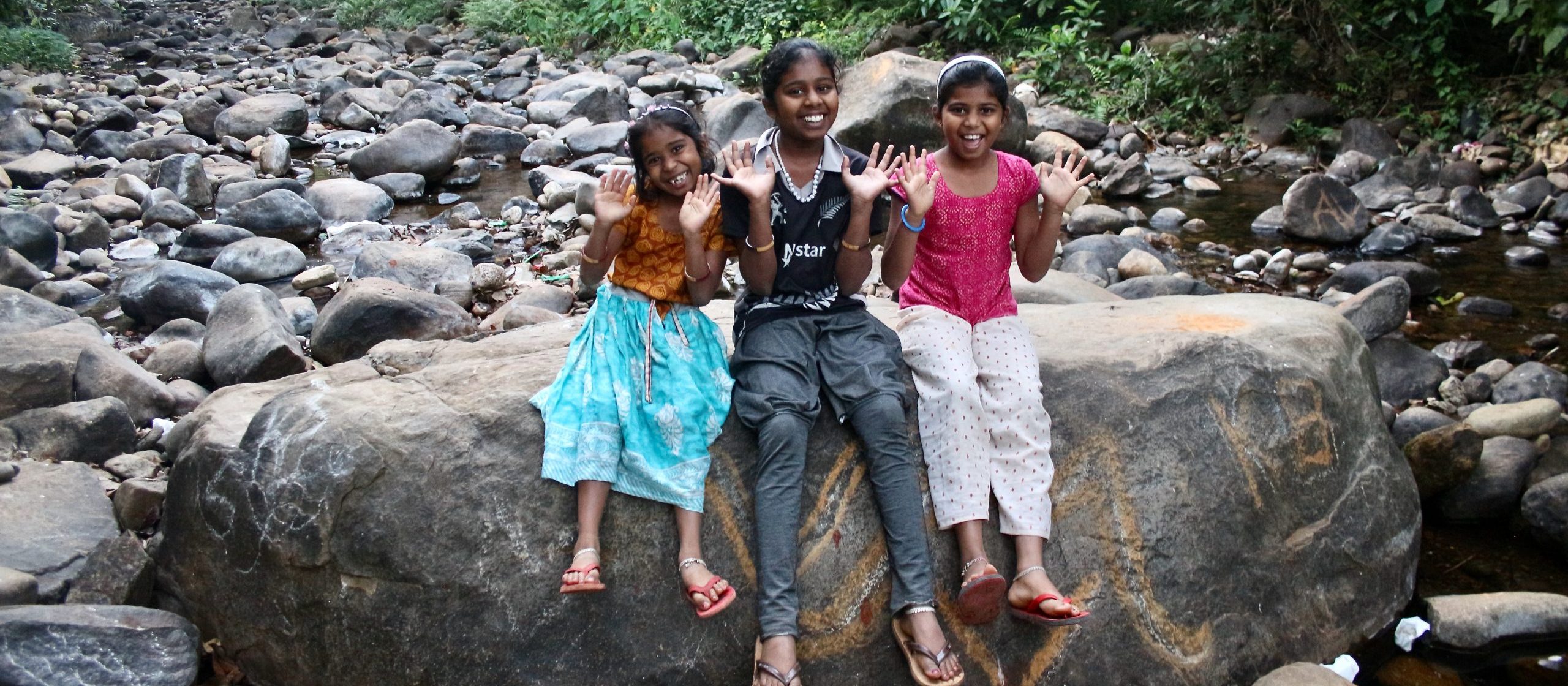
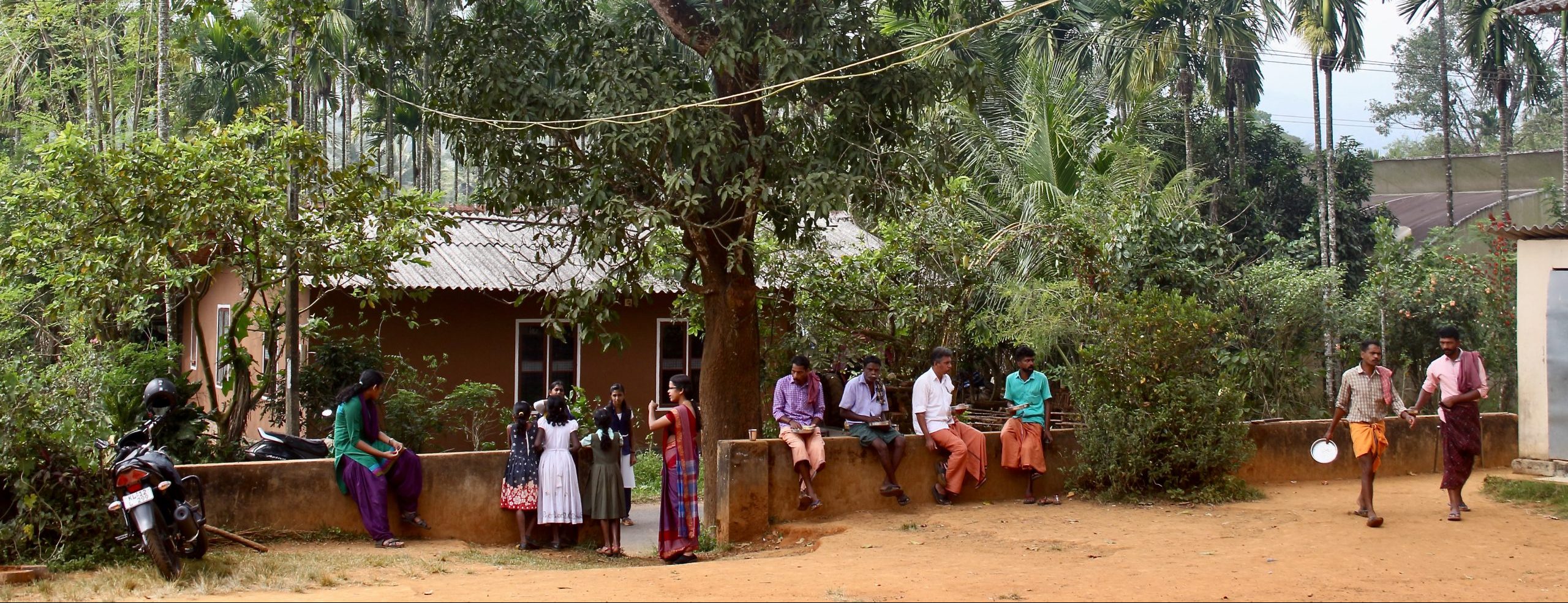
Indeed the cities Trivandrum, Kochi, Kollam, Kozhikode, Thrissur and Aleppey offer many interesting sightseeings and are full of historical witness, but who wants to get to know the life in Kerala better, has to go to the villages. You have time for encounters and exchange with the villagers, which will give you a good insight. The people are very kind and hospitable. Getting to know the connections of the village can be really exciting. Don’t get confused: the villages usually don’t have a visible border, but seem to merge with the next one.
Ayurveda etc.
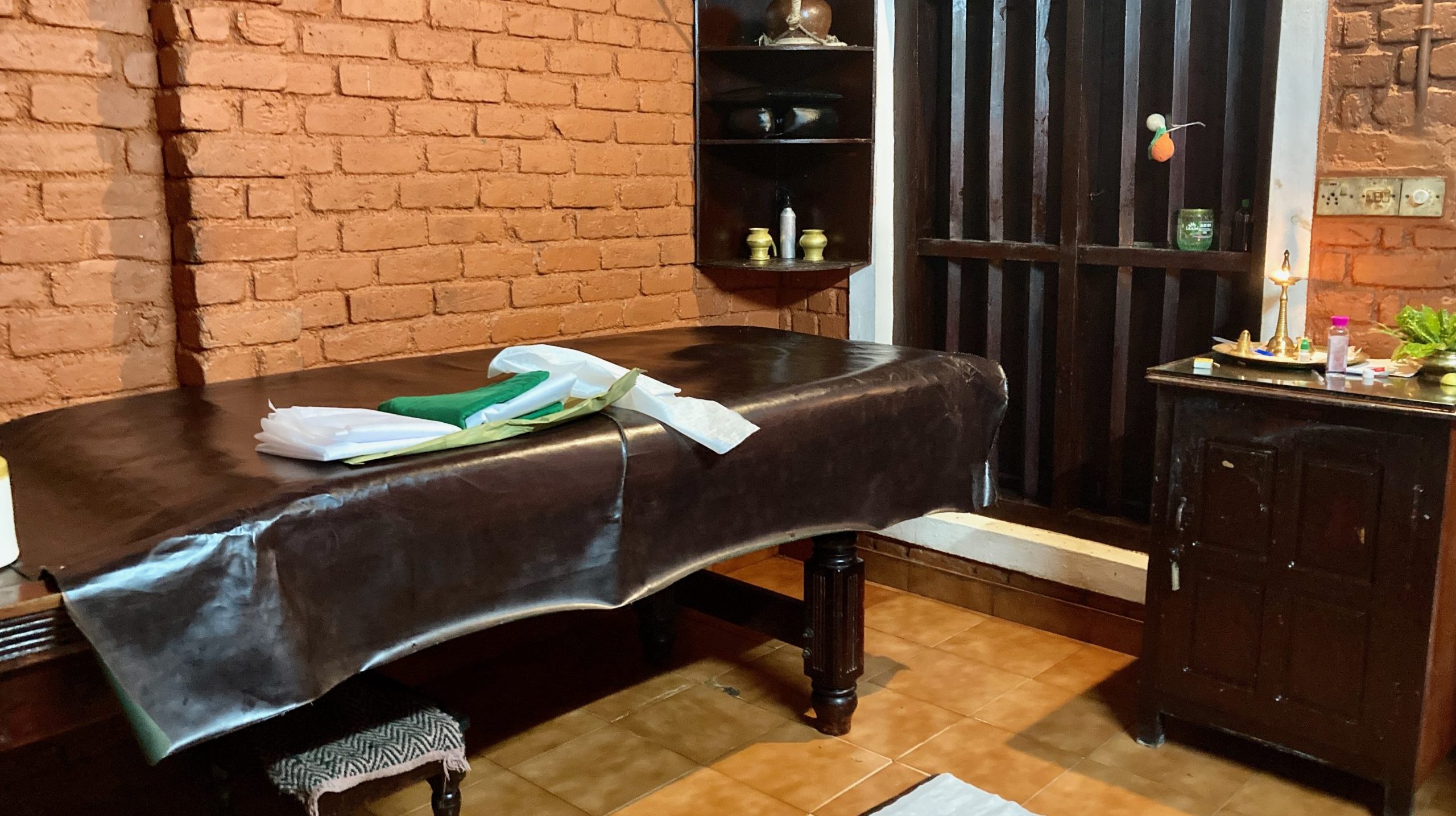
Kerala is also well known as the birthplace of Ayurvedic healing. Various resorts and institutions offer long treatments or wellness programs based on Ayurveda. “Full” treatments can be divided into the “complete program” and a lighter version. The complete program includes Panchakarma, which involves five cleansing and detoxification procedures intended to remove accumulated toxins from the body, mind, and metabolism and to restore the balance of the doshas. This is physically demanding and usually requires a stay of more than one week. The lighter option is typically a one-week program, in which various massages and treatments are combined with a diet tailored to an initial diagnosis. Such a course involves many changes to daily habits, but the results can be remarkable. Some treatments are pleasant, while others are less so, and the prescribed diet is not always very tasty. However, most people find a longer treatment highly rewarding, as it clearly shows where to focus for improvement. Upon completion, patients receive a final report with advice on more suitable nutrition and lifestyle adjustments.
Beach
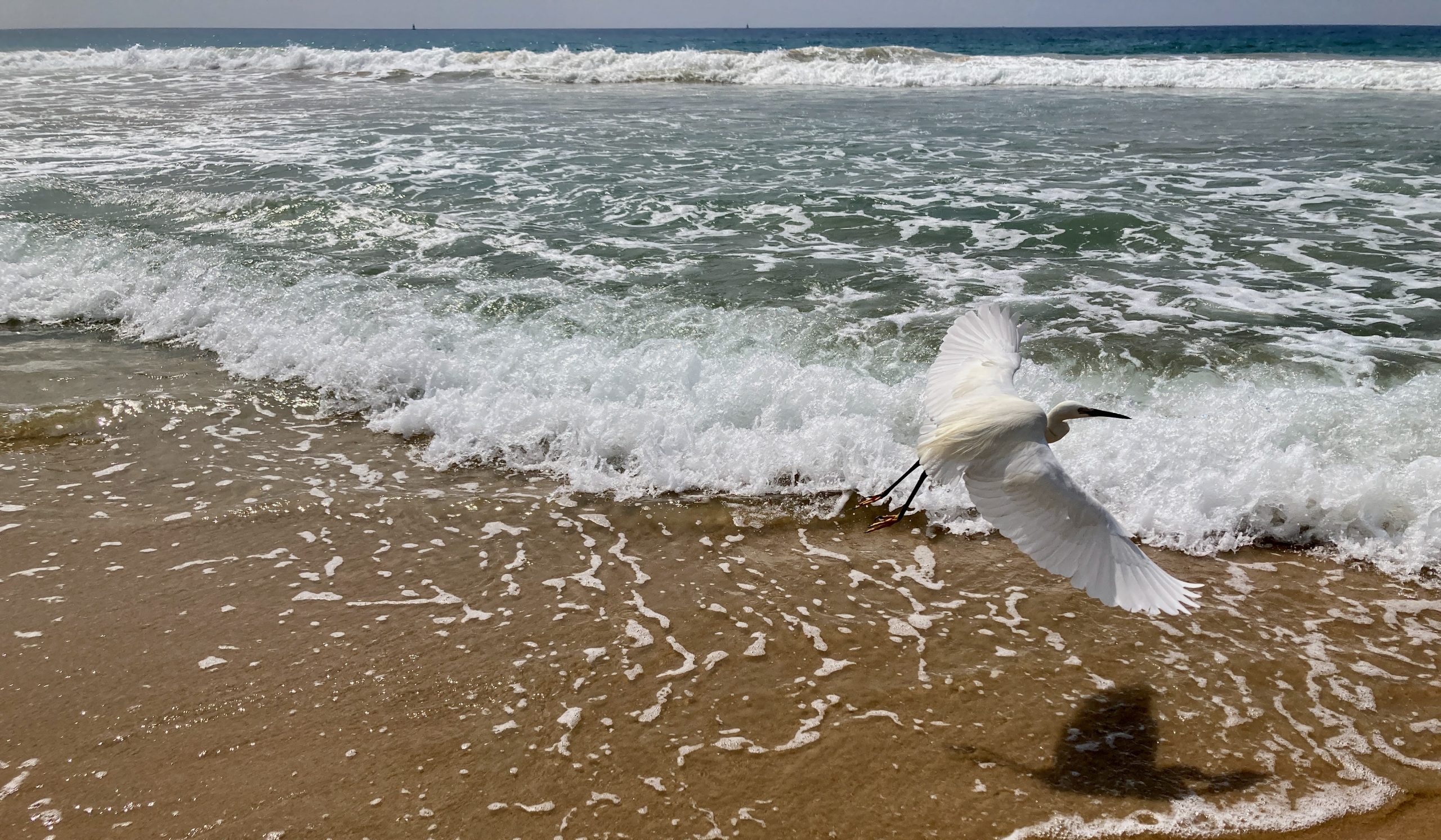
Kovallam and Verkala offer the most beautiful and best known beaches – but there are also smaller ones. Some comfortable beachdays before going home is a great idea. Especially as the peak season is in the european winter. Double joy about the shining sun, hot temperatures and a swim in the ocean. The beach days can be topped with an addition of Ayurveda-wellness.
Adivasi
As written above, there are quite a few Adivasi groups in Kerala. In the villages, their houses are often easily recognisable, as they tend to belong to the poorer ones. Sometimes there is a mix of people in the village community, but in principle they keep their distance from each other. As travellers, it is not so easy to get access – in some places we have good connections so that interesting meetings can be arranged. But it is also worthwhile to bring up the subject every now and then and to ask about it. Between stigmatisation, romanticisation and voyeurism, there are levels of appreciative encounters.
>