

Festivals – and other Festivities
India loves to celebrate — and often! Festivals and public holidays hold a particularly important place in social life. Due to the country’s religious and cultural diversity, numerous celebrations take place throughout the year. They reflect the traditions of Hinduism, Islam, Christianity, Sikhism, Buddhism, and other faiths, and are often closely linked to myths, seasons, or historical events.
There are so many different festivities that we can only list a few here. Since there are many more, it’s quite likely that one will take place during your travel period — let’s see if and how we can include a festival in your itinerary. Guests are always warmly welcomed, and you’ll have the opportunity to experience yet another facet of India’s rich and diverse culture.
Celebrations naturally also take place in our other destinations. However, it would go beyond the scope of this website to cover everything in detail. Therefore, we are using India here as an example. But rest assured: in our other destinations, we are also happy to take local festivals and celebrations into account upon request.
As examples, we would like to mention: Kumbh Mela, Makar Sankranti (Kite Festival), Shivratri, Pongal (harvest festival in Tamil Nadu), Eid (in Islamic regions), and the birthday of Mahatma Gandhi on October 2nd.
Independance and Republic Day
26. January and 15. August
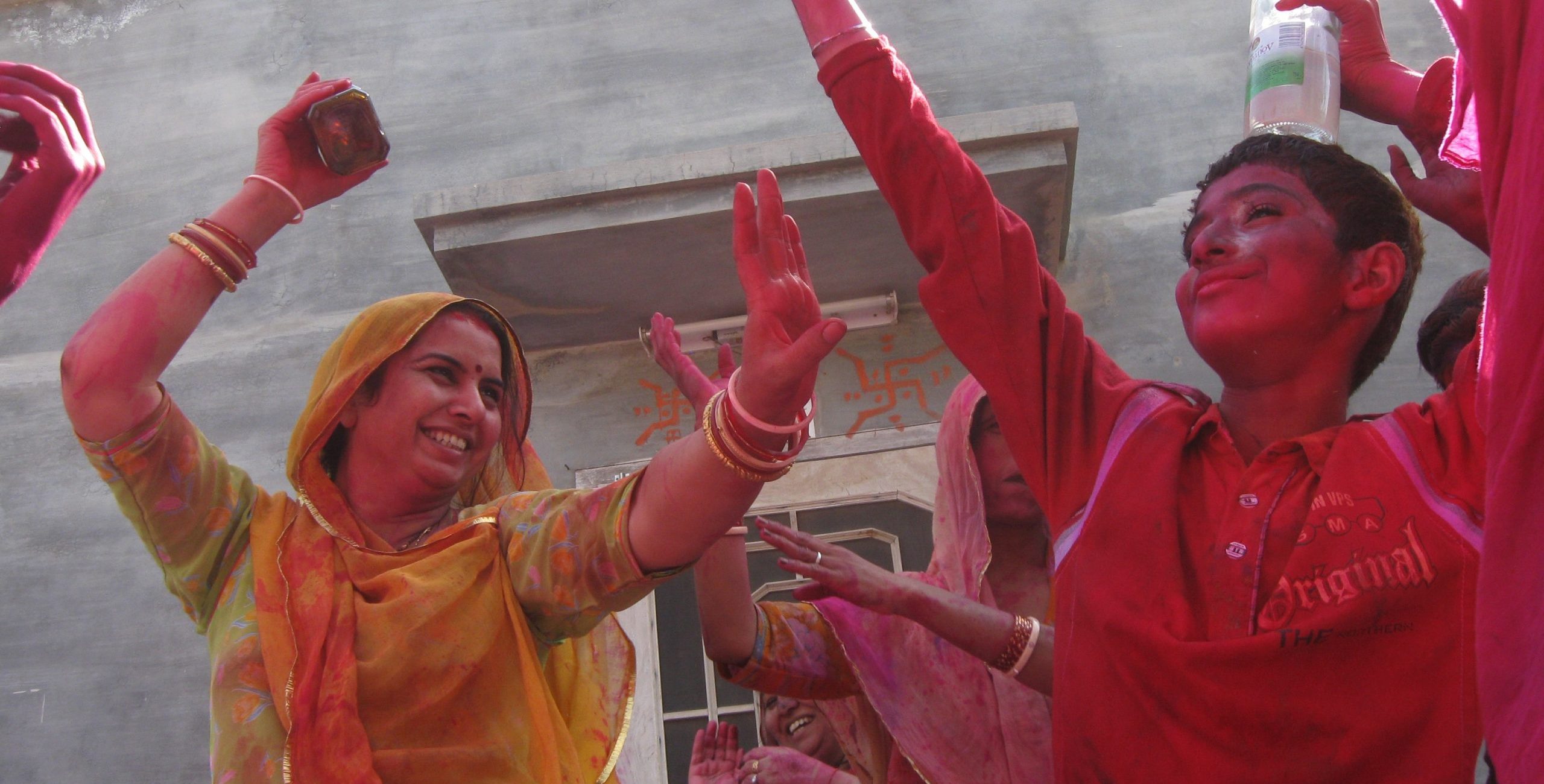
India’s Independence Day is celebrated across the country on August 15th. Festivities usually take place in central squares or at schools, featuring dance performances and small parades. You are always warmly invited to watch and join the celebrations. After having suffered for a long time under colonial rule, India is especially proud to have established itself as an independent nation — and this achievement is celebrated on this day with great enthusiasm.
On January 26th, India celebrates Republic Day, marking the day the Indian Constitution came into effect — six months after independence. On this day, a grand parade featuring decorated floats, traditional dances, and impressive military displays proceeds along the Kartavya Path in Delhi — and half the nation sits in front of their televisions to watch the spectacle. Across the country, additional local celebrations take place with parades, cultural performances, and official speeches.
On both days, the flag-hoisting ceremony is a central and highly symbolic element of the celebrations.
Holi
Early March
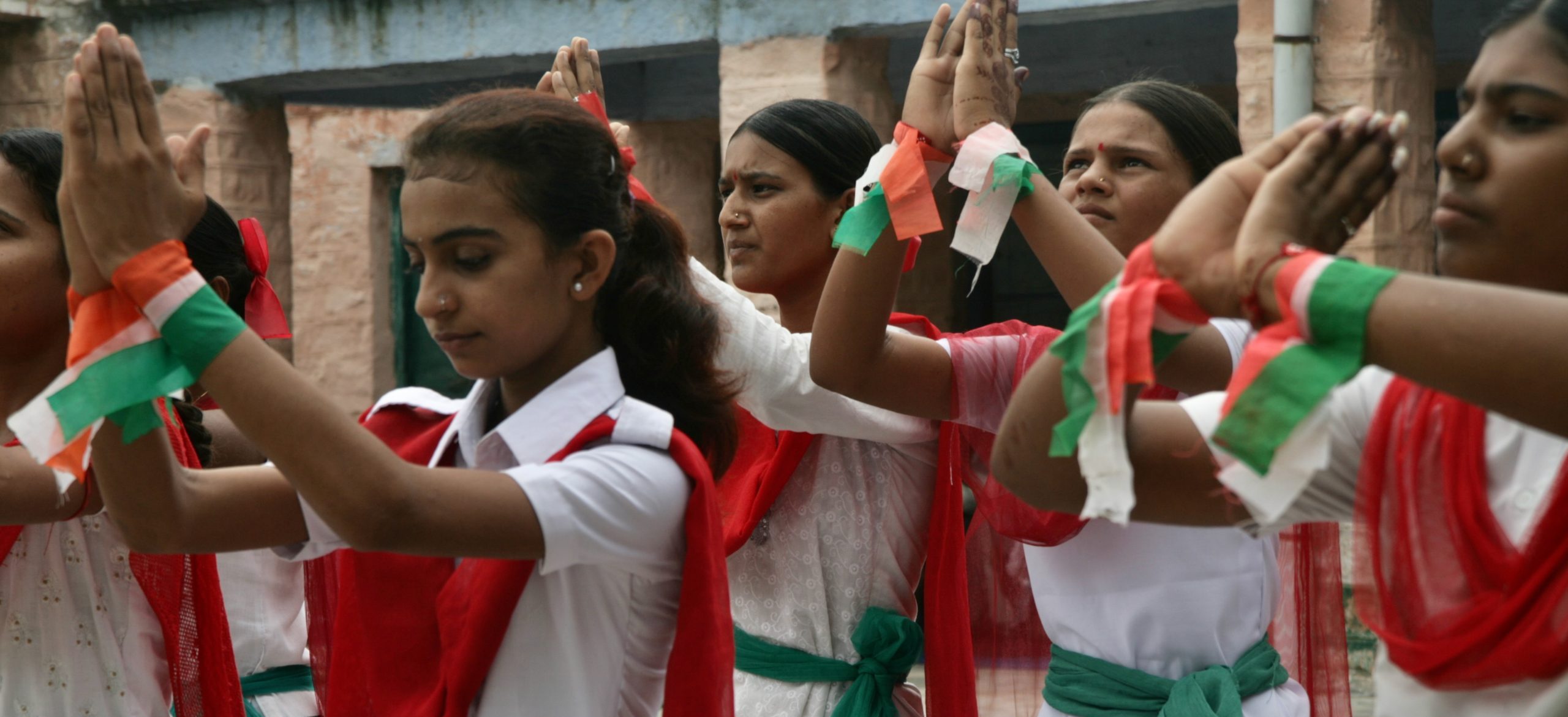
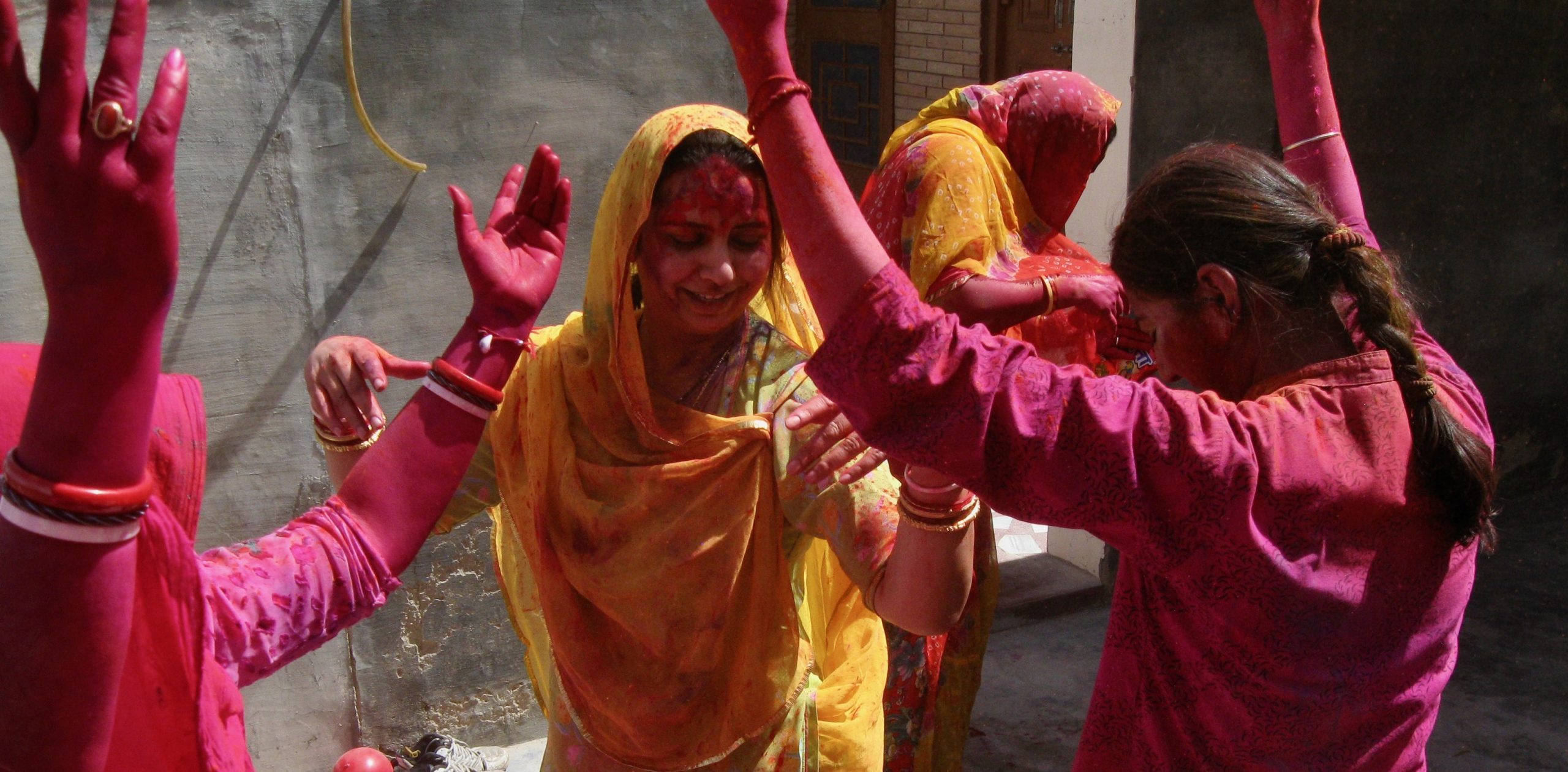
Holi, the “Festival of Colors,” is celebrated in spring. People throw colorful powder and water at one another, dance, and celebrate together. The festival symbolizes the victory of good over evil and also marks the arrival of spring.
Holi is celebrated more exuberantly in the north of India than in the south. Major hotspots include Mathura and Vrindavan, as well as Barsana in Uttar Pradesh, and Jaipur and Udaipur in Rajasthan. It is also celebrated very intensely in Varanasi. On this day in early March, it’s truly a state of joyful chaos.
Either buy some inexpensive clothes locally or bring along something old from home — the colors usually don’t wash out completely. Then get yourself some colored powder, and you’re ready to join the fun!
Holi is also celebrated in Nepal, but it’s much more low-key and you won’t encounter it as intensely. If you’re traveling in India at that time and prefer not to join in the festivities, no problem — we can plan your itinerary so you avoid the most intense celebrations.
Diwali
Oktober/November
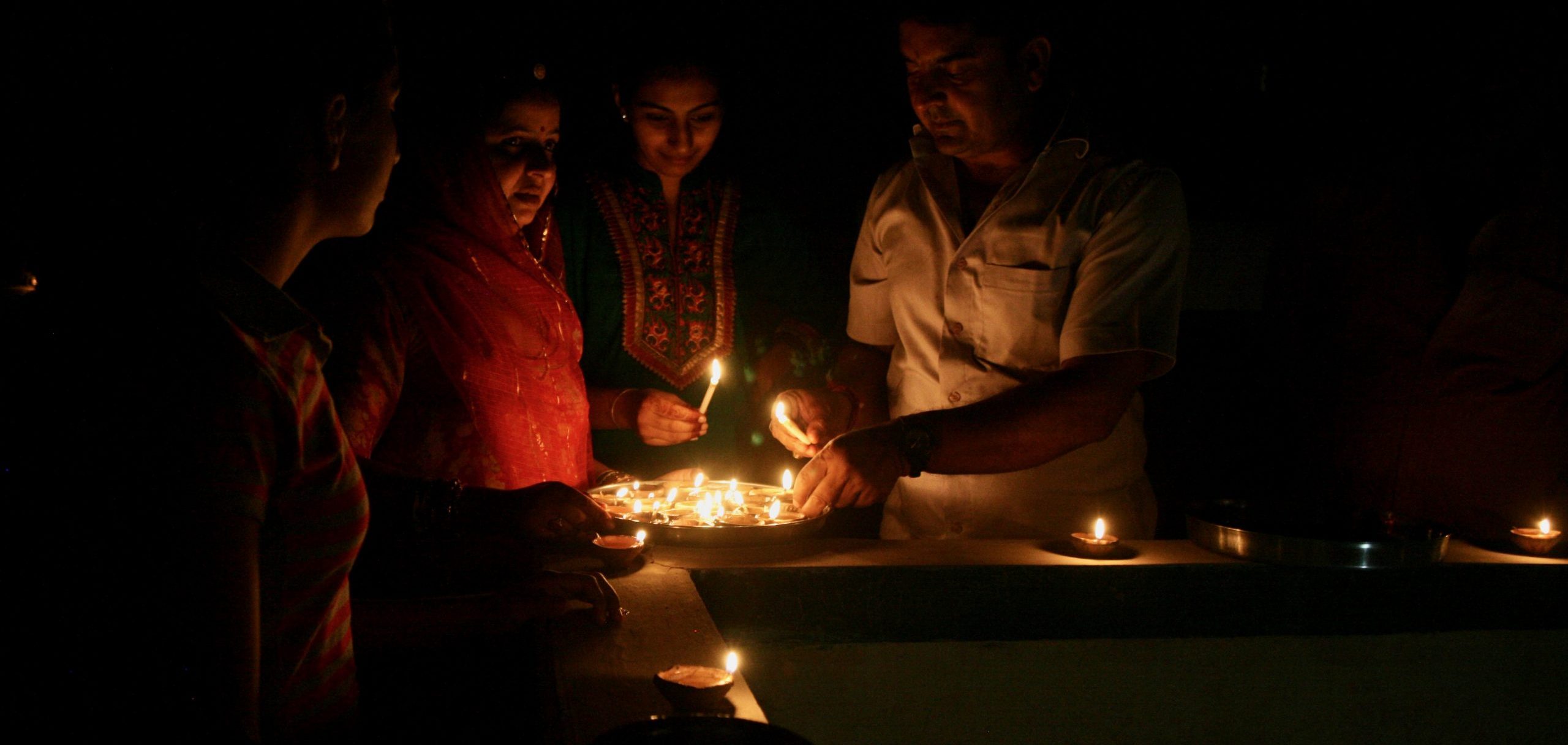
Diwali, the Festival of Lights, is like Christmas and New Year rolled into one. It is one of the most important Hindu festivals. Homes are cleaned and decorated with oil lamps and strings of lights, people wear new clothes, and there are fireworks and sweets. Diwali symbolizes light, hope, and the triumph of light over darkness.
According to legend, Lord Rama returned to his hometown of Ayodhya after 14 years of exile, during which he defeated the demon king Ravana, accompanied by his wife Sita and brother Lakshmana. The people along the way lit oil lamps (diyas) to illuminate their path, and streets and homes were festively decorated — a tradition that continues to this day during Diwali.
There is a second important aspect of Diwali: Lakshmi, the goddess of wealth and prosperity. On this day, she is invited into homes by placing small footprints or stickers at the entrance. The lit lamps are also for her, often accompanied by a special puja (ritual prayer). In some parts of India, businesspeople even start their new financial year on Diwali.
In Nepal, the Tihar festival serves as a similar celebration. It lasts five days and places greater emphasis on Lakshmi, the goddess of wealth, as well as family bonds and relationships.
Even though you’ll experience the shopping and excitement beforehand, the evening lights, and the nighttime fireworks, the most special part of Diwali is celebrating with families. Perhaps we can arrange this as part of your trip!
Dussehra
Oktober
Dussehra is another important Hindu festival, symbolizing the victory of good over evil. It marks the conclusion of the nine-day Navaratri celebrations and takes place in autumn (September/October). It is considered an especially auspicious day to start new projects or make important decisions.
Dussehra takes on different forms across India. In the northwest, the highlights are public performances of the Ramlila (theatrical reenactments of Lord Rama’s story) and the ceremonial burning of huge effigies of Ravana, often accompanied by those of his brothers. In the northeast, the focus is on Goddess Durga’s victory over the demon Mahishasura. Here, Dussehra coincides with the end of the major Durga Puja celebrations.
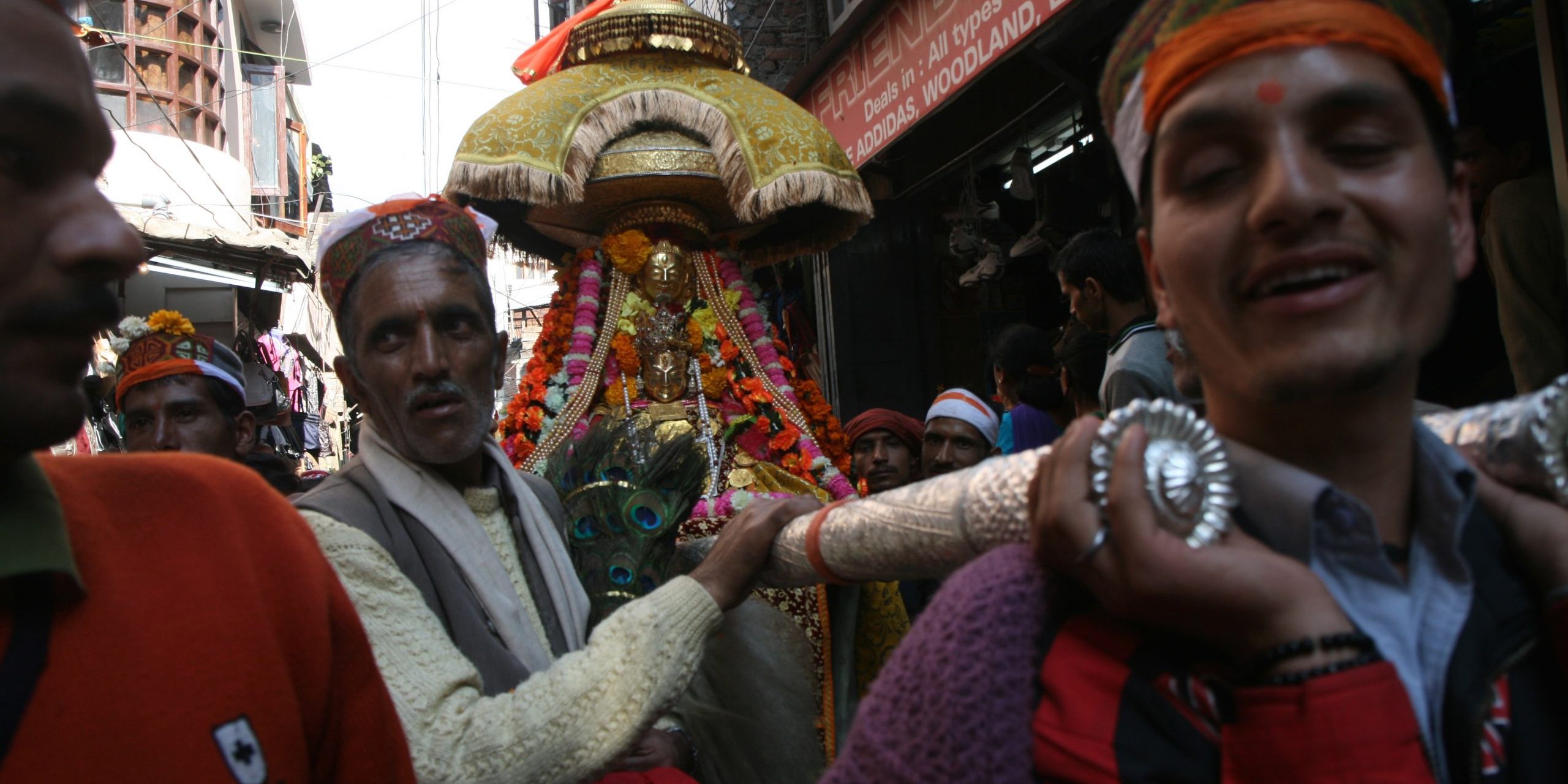
An exception in the northwest is the Kullu Valley in Himachal Pradesh. The central feature here is the solemn procession of local village and regional deities. Hundreds of small temple gods (Devtas) from across the Kullu Valley are carried in elaborately decorated palanquins to Kullu. They gather at the Dhalpur Maidan, the city’s large festival ground. At the center of the celebrations is the worship of Raghunath, a local form of Rama and the valley’s main deity. He sits on a large wooden chariot, which is pulled by numerous men using ropes. Anyone looking for a truly unique experience should plan to visit the Kullu Valley during Dussehra!
In Nepal, Dussehra is called Dashain. It lasts 15 days and combines multiple religious aspects. Like in northeast India, the focus is on Goddess Durga’s victory, symbolizing the triumph of good over evil. In Nepal, however, the festival also has a stronger family and state dimension. In many places, animal sacrifices are still performed — but the meat is not wasted; it is subsequently shared and eaten within families or communities, blending religious ritual with festive meals.
Losar
Dezember/Januar
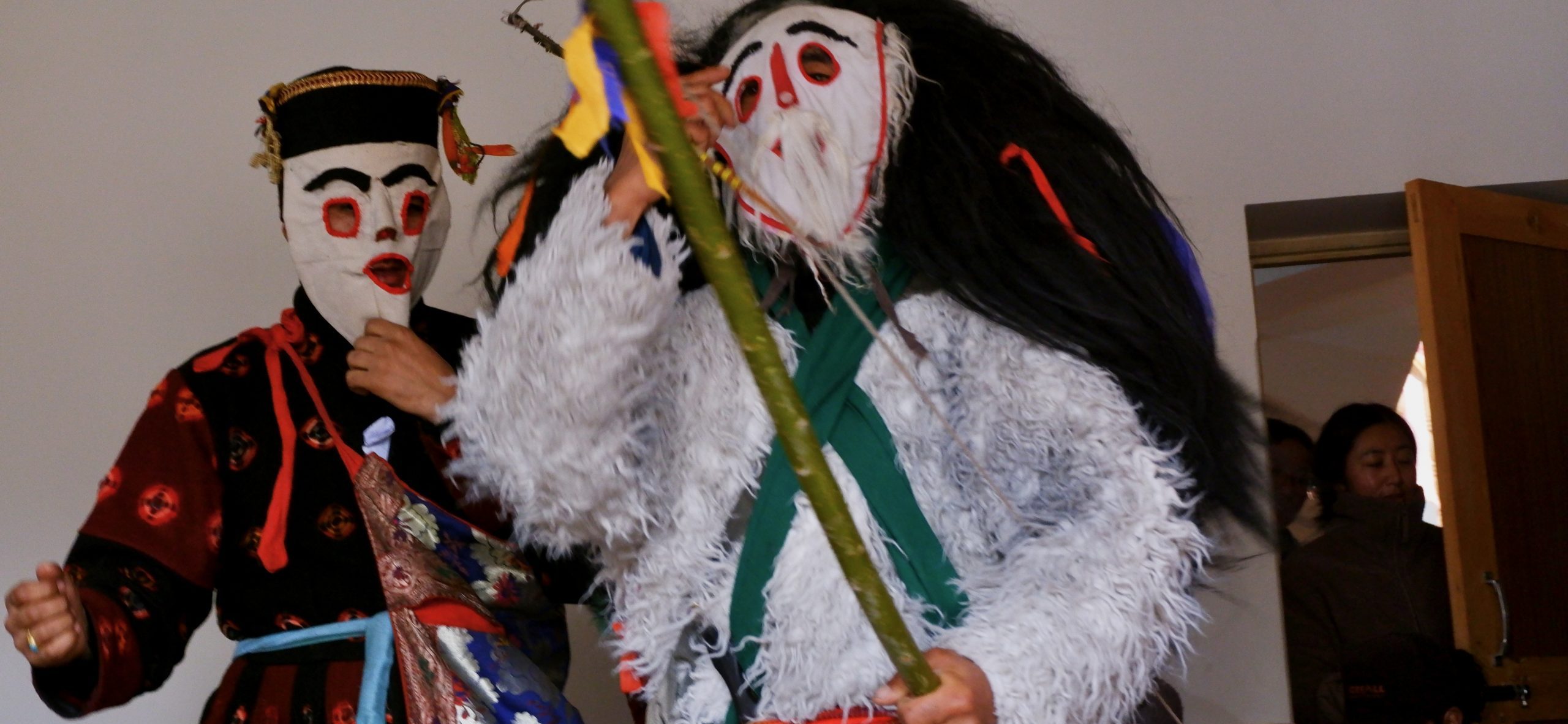
In Ladakh, Losar (New Year) is celebrated toward the end of the year. The festivities begin with young men running down the palace hill and through the town carrying fireballs, marking the start of roughly one week of celebrations. In the villages, various traditional ceremonies are still observed. Essentially, the rituals are meant to drive out the bad of the old year and welcome the good of the new one. From Appu and Appi, the ancestral figures, to Nakpo and Karpo (the Black and the White), along with horse races and even a dip in the icy river, the year is bid farewell — always accompanied by music and dance.
You are very welcome to participate in various celebrations — we can even arrange private experiences. The Losar festivities can serve as a major highlight for a winter trip to Ladakh.
Christmas, Easter etc.
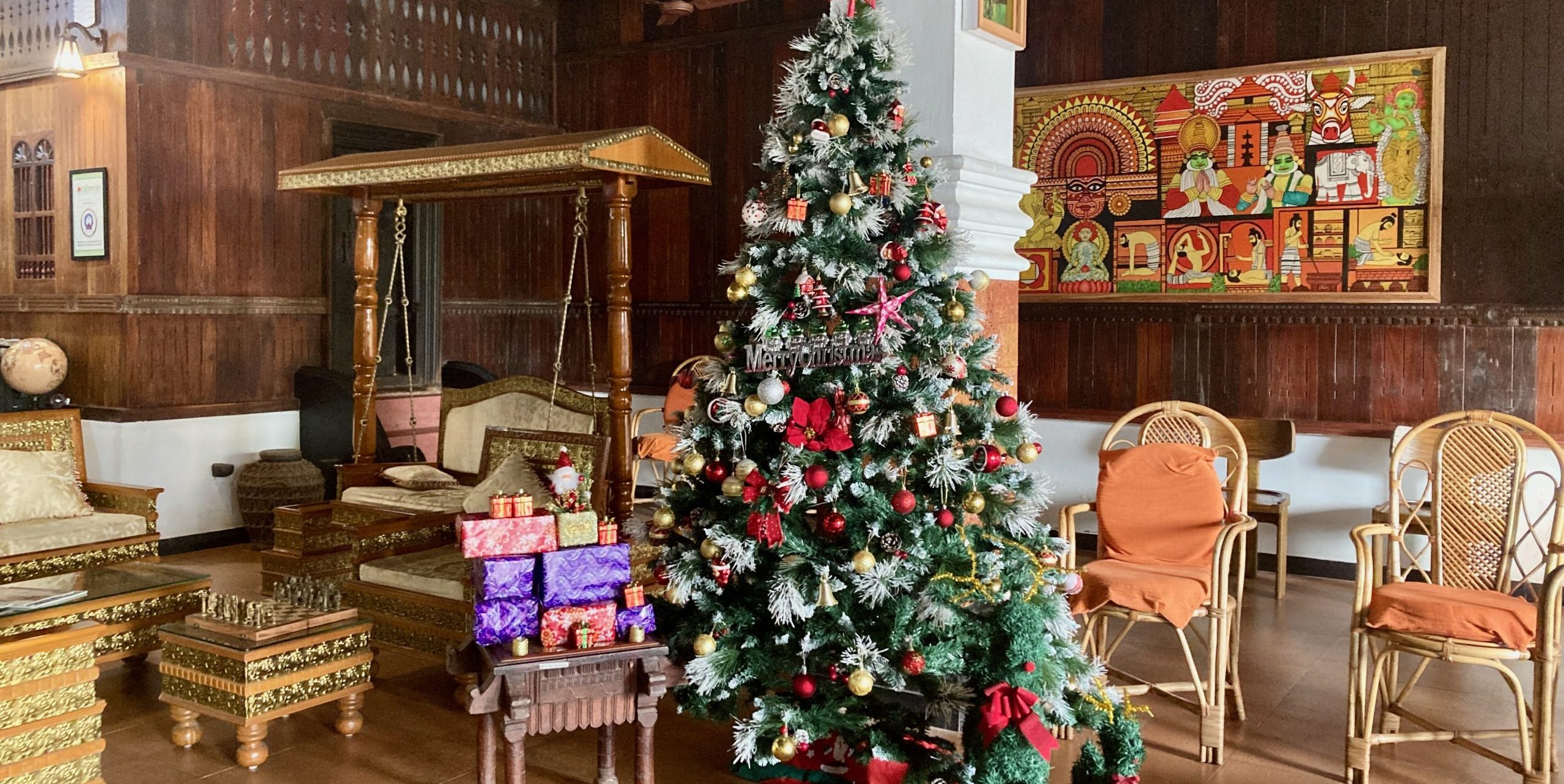
Due to successful missionary work, there are many Christians in India, who naturally celebrate Christian holidays such as Christmas and Easter. This is especially pronounced in the Christian stronghold of Nagaland. In general, the international trend of Christmas trees and Santa figures is visible in public spaces across the country. However, in most parts of India, it is quite warm to hot, so experiencing a European-style Christmas atmosphere can be challenging.