


THE NORTHEAST
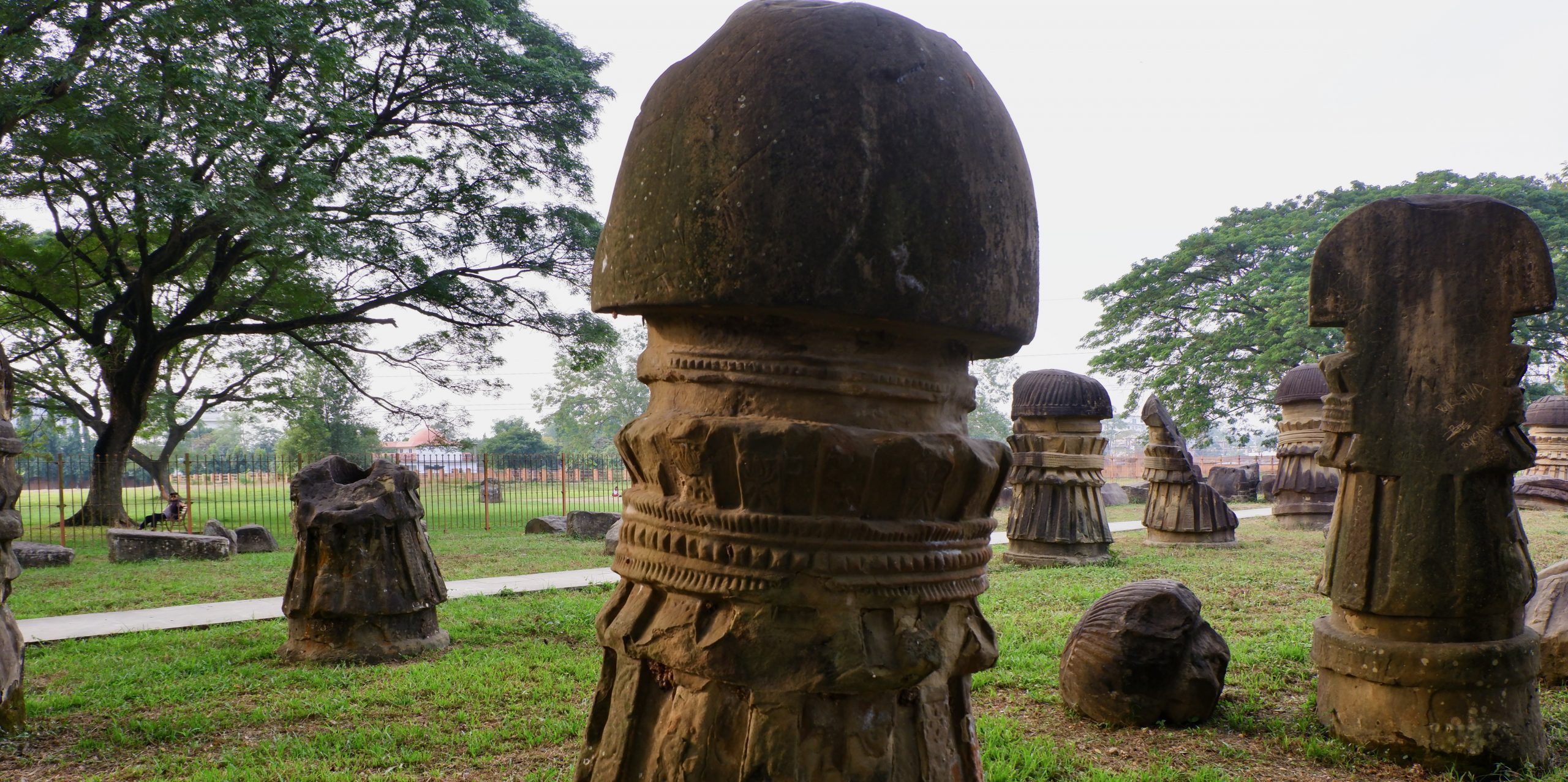
Only via a narrow corridor — at its narrowest point about 23 km wide — one can travel overland from the rest of India to the so-called “Seven Sisters,” the seven states in the far northeast: Arunachal Pradesh, Assam, Nagaland, Manipur, Meghalaya, Mizoram, and Tripura. Despite their differences, they are often grouped together, and we follow this convention on this website. As a larger region, the area can also be viewed as a single unit, as there are various shared characteristics.
Despite a width of around 3,000 km, India has only one time zone. This means that in the east, the sun rises and sets very early. As a result, people tend to start the day early to make the most of the daylight and return from sightseeing earlier to avoid being out after dark. It’s a different rhythm than what many are used to.
The Northeast — which, in a certain sense, also once included what is now Bangladesh — is full of distinctive features. With the exception of Assam, it is shaped by peoples and cultures that have relatively little in common with the rest of India. People look different, have different cultural traits, and a different colonial history. The mountainous regions are difficult to access, the tribal communities are independent-minded, and for a long time they remained largely undisturbed. Had they been able to act collectively, they might not be part of India today, but could instead have formed an independent state. Instead, the British were able to pursue their own interests: securing borders with Tibet/China and Myanmar, economically exploiting Assam for tea cultivation, developing the Shillong hills as a hill station, and “studying” the indigenous population (in this respect, they actually encouraged autonomy and preservation more than elsewhere in India). They established an administrative structure, which India then gradually took over after independence.
Travelers encounter a region that is extraordinarily rich in cultures, history, and landscapes — and has very few other (Western) visitors. People are usually friendly and welcoming, or they simply let you be. Travel can be a bit more demanding, and accommodations, roads, and restaurants are more basic than in many other parts of India. In return, you’re rewarded with fascinating insights into a part of India that is different — yet still very much part of this vast country.
Here you’ll find information on various aspects and travel ideas that we can integrate into your journey. More detailed information on the individual regions is available on a separate page. Countless combinations of regions, accommodations, hikes, sightseeing, encounters, activities, and more can be put together
Areas
To keep this page from becoming too extensive, we’ve summarized the individual states on a separate page. There you’ll find more information about the unique characteristics and travel possibilities of the different regions. We’re curious to see which ones appeal to you most!
Arrival and on the road
There is no international airport anywhere in Northeast India, so flights usually route via Delhi or Kolkata. The largest airport with the best connections is Guwahati in Assam. Other useful airports include Dibrugarh and Jorhat in Assam, Dimapur in Nagaland, Agartala in Tripura, and Aizawl in Mizoram. More limited flight services are available to Itanagar in Arunachal Pradesh and Shillong in Meghalaya.
Another option for arrival is by train — although in practice there is essentially only one main connection from New Jalpaiguri (West Bengal) into Assam, and travel times are always long. However, for those who enjoy experiencing more of India by rail, this can be a very interesting way to travel. Within Assam, train travel also works well — including connections to Dimapur in Nagaland.
This means that arrival options are somewhat limited. Within the Northeast, the most practical way to get around is by car. Even though a lot of construction and improvements are underway, the often poor mountain roads in particular enforce slow travel. Here again, Assam is the easiest state to travel through thanks to its broad plains.
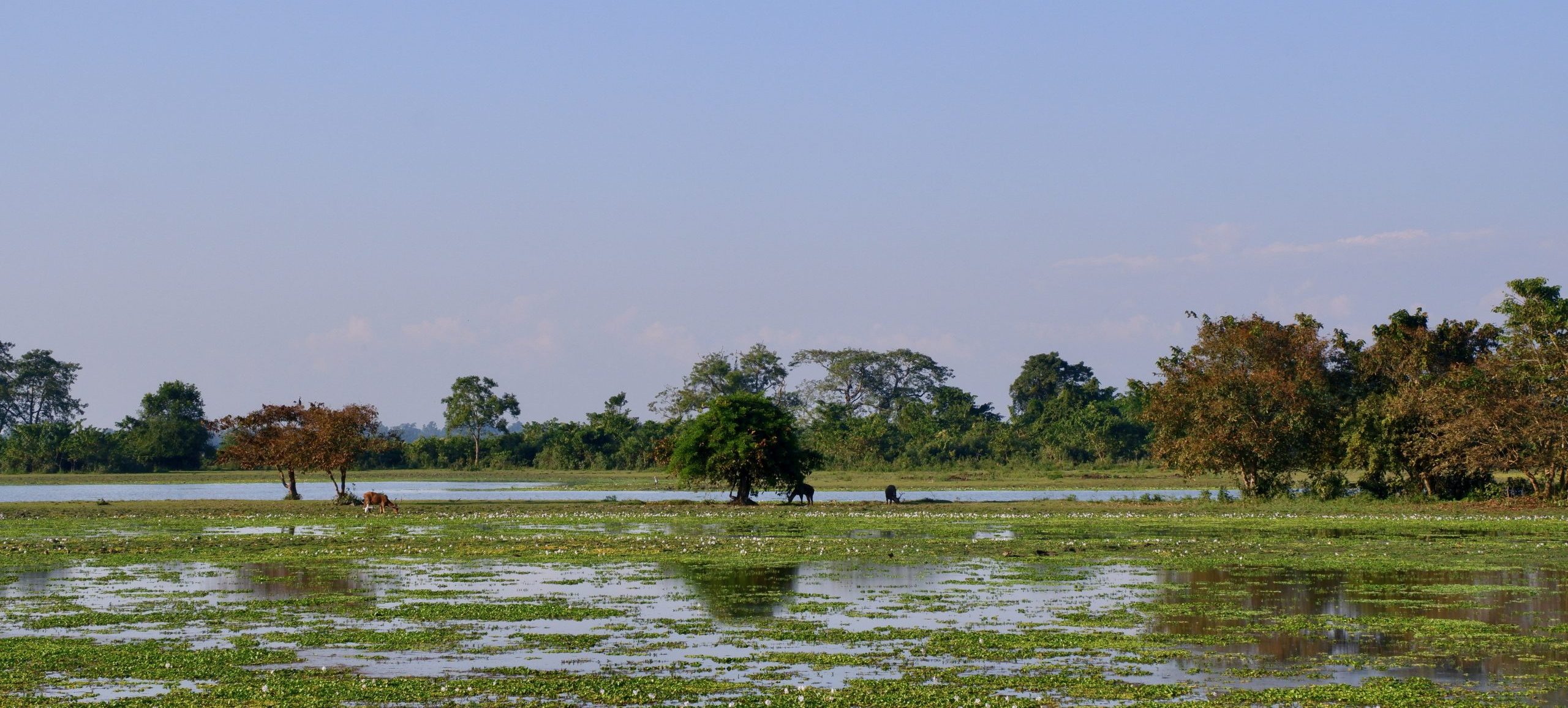
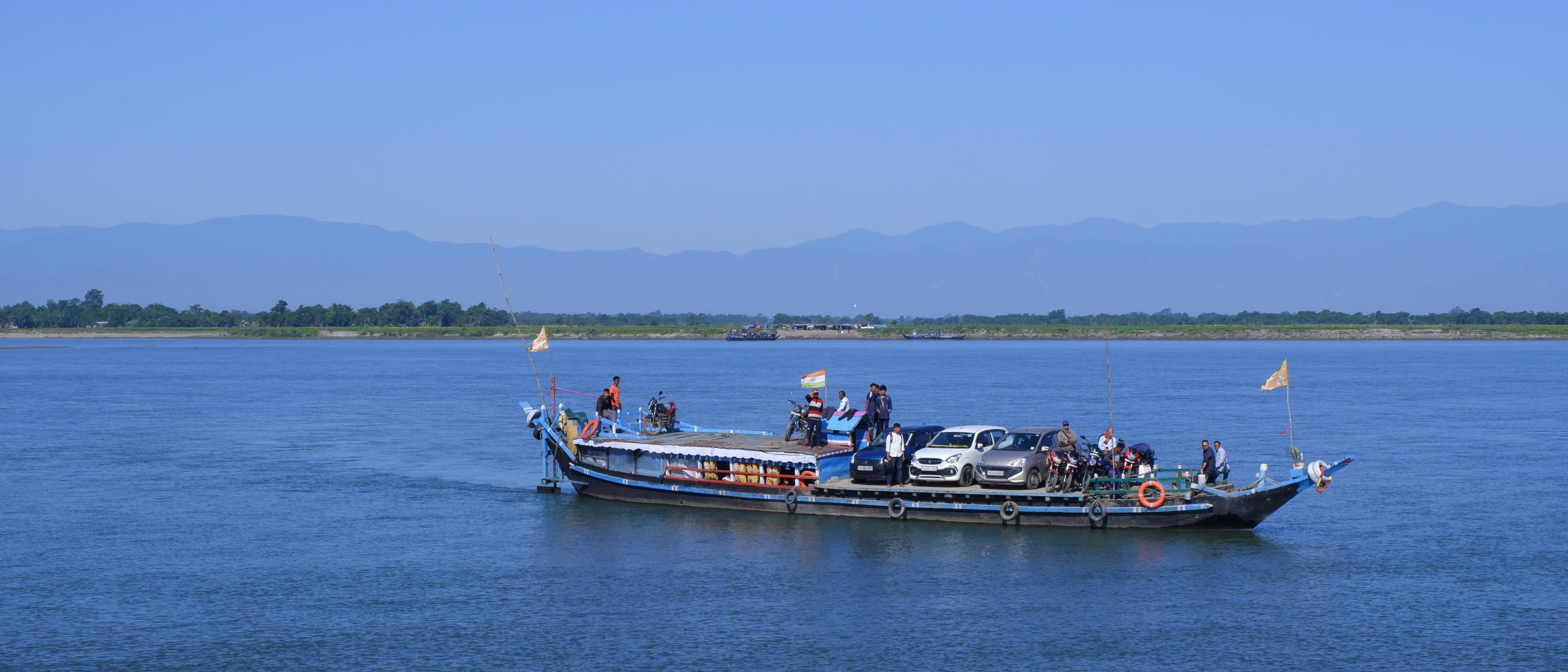
Assam also stands out when it comes to another mode of transport: boats. There are ferries across the Brahmaputra as well as multi-day river cruises on comfortable larger vessels. Bridge construction has reduced the need for river crossings, but where bridges are absent, a ferry ride is a pleasant option. River cruises naturally include interesting stops with shore excursions.
Excursions by bicycle are still in their infancy, but at least on Majuli in Assam, it’s a great way to get around off the main roads.
Accommodation
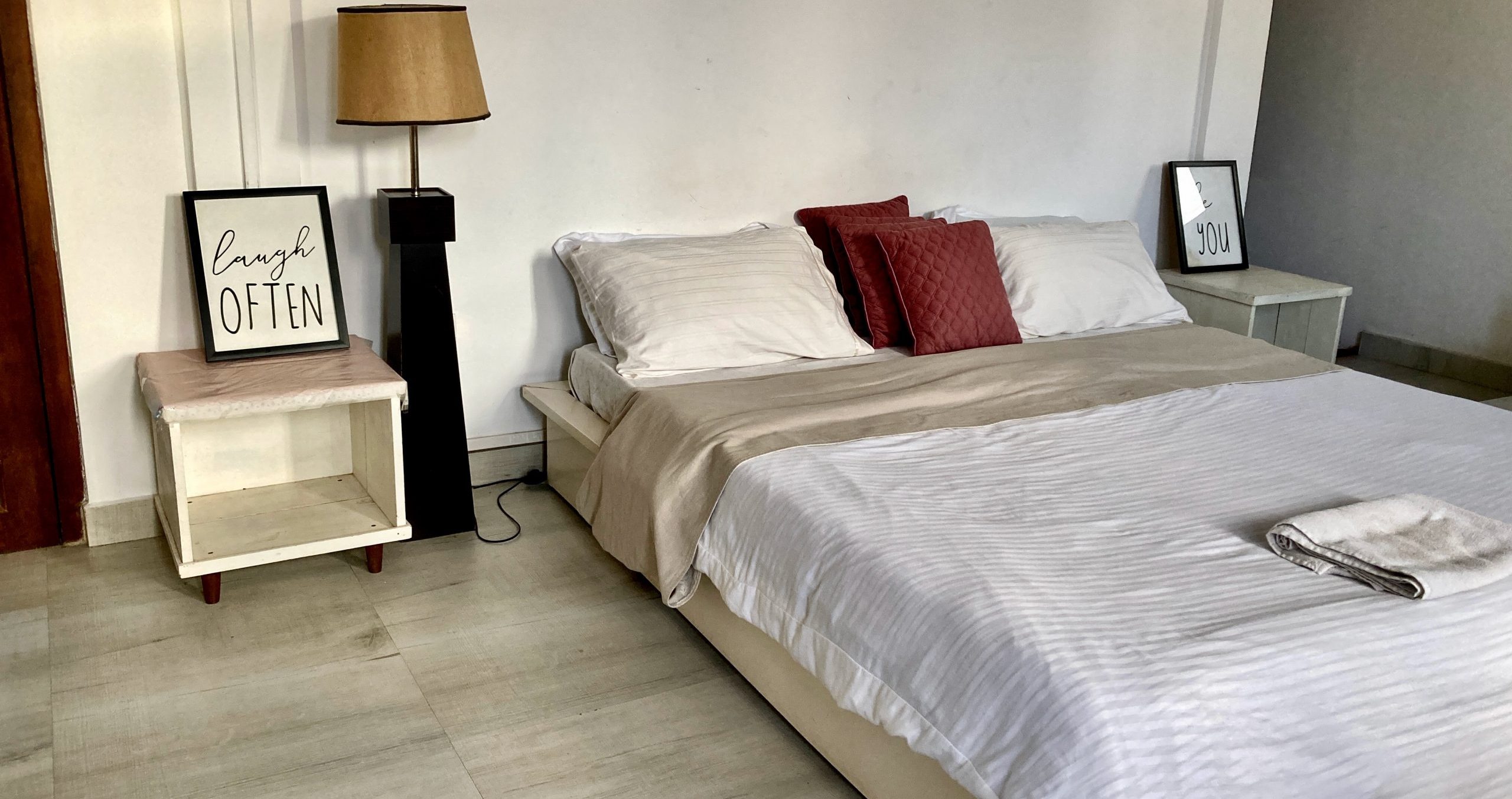
Since tourism is still in its early stages, accommodation options are limited. In larger towns and areas with an established tourist presence (such as Kaziranga), there is a very good selection across different categories. Beyond these areas, however, travelers sometimes have to make do with what is available. There are certainly good and charming hotels, guesthouses, and homestays, but they are not found everywhere.
But don’t worry — we know where to find the best places to stay and can arrange comfortable and interesting accommodations for you.
Eating and Drinking
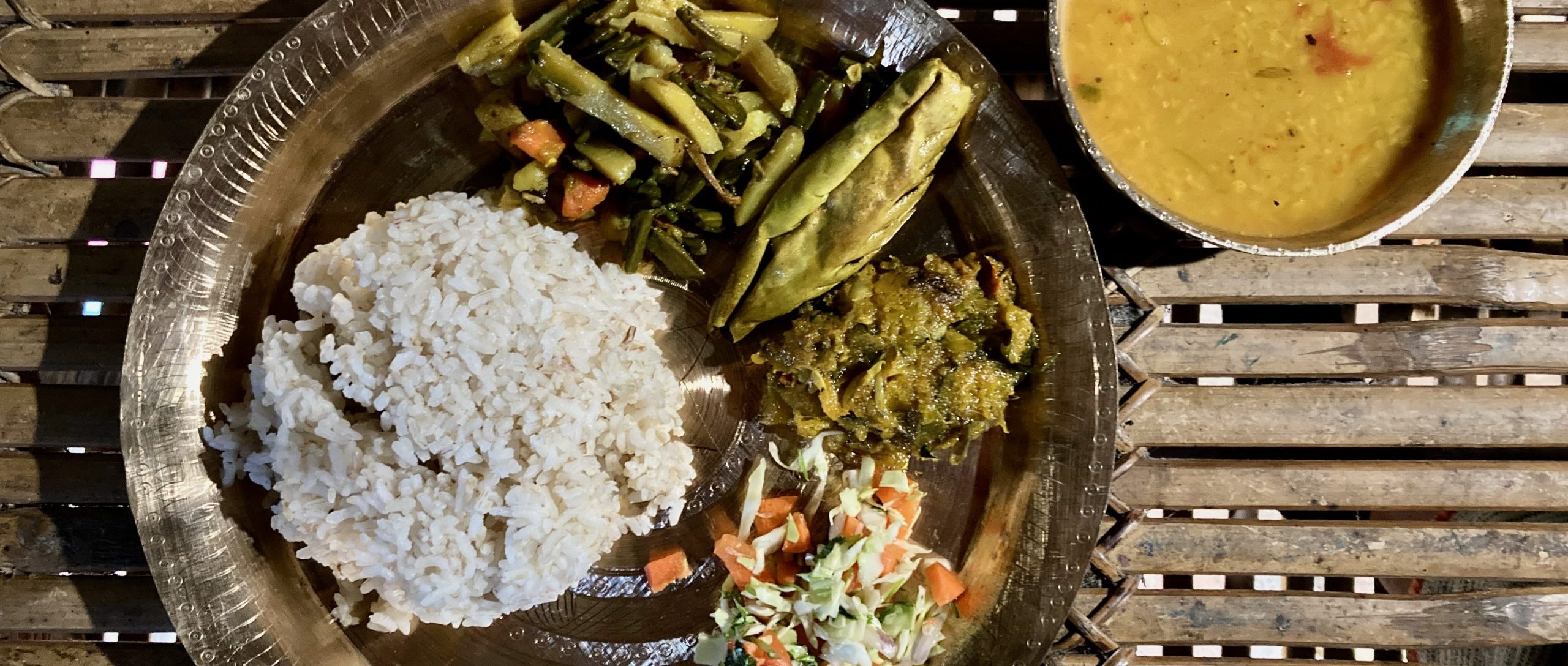
The Northeast offers a diverse culinary experience. Nagaland has the highest per capita meat consumption in India and is known for some more unusual dishes, such as dog, frogs, and bamboo worms. These are sold in local markets — and you’re welcome to try them if you like! Otherwise, bamboo shoots are a local staple. Vegetarian options are somewhat more limited here than in other regions — but certainly not impossible.
Bamboo and soy are also commonly used in the other states. Arunachal Pradesh features a Tibetan-influenced cuisine with dishes like thukpa and momos, while in Assam mustard oil is widely used (and there’s plenty of fish!). Pork is popular throughout the region — and it tastes best when cooked locally by the families themselves. We’re happy to arrange such meals for you.
Nagaland and Mizoram are so-called “dry states,” meaning there are no official outlets for purchasing alcohol. Private home breweries still provide a good selection, but it can only be obtained privately. The exception is the Hornbill Festival, where alcohol is available for purchase.
And of course, you should try the famous strong Assam tea!
Tribals
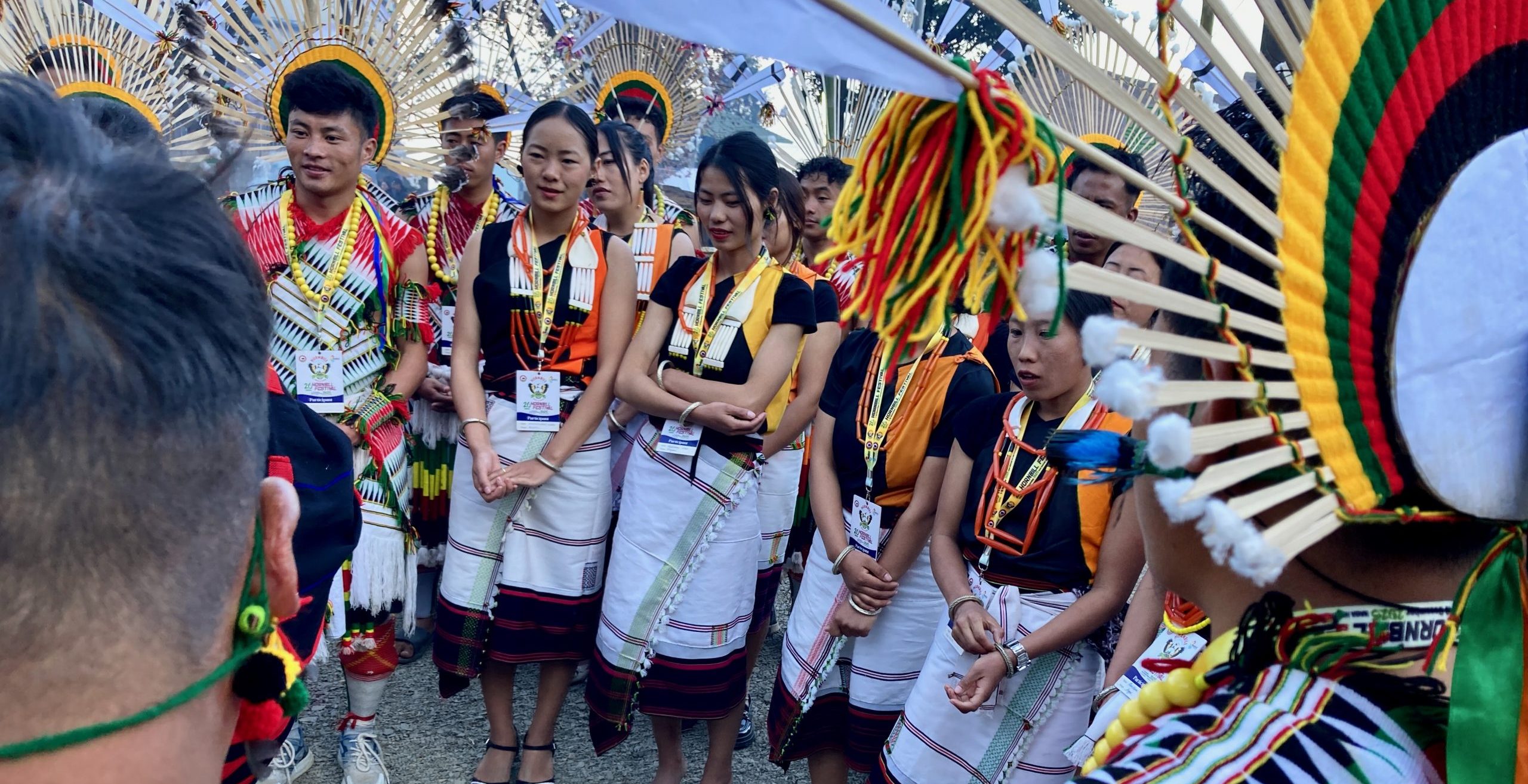
Northeast India is one of the most ethnically diverse regions of the subcontinent. More than 200 tribes live here, many with their own languages, religions, and social structures. They are often politically autonomous and have a strong influence on the culture and landscape of the region. The difference from “classic” India is striking: matrilineal societies (Meghalaya), Christianity (Nagaland), or animist religions (Arunachal Pradesh) and village-based communities shape everyday life.
Politically, this is significant and interesting because the Sixth Schedule applies here — a provision in the Indian Constitution aimed at protecting tribal communities. Its implementation varies across the states, based on Article 371. Some states have special autonomous administrative units, and it’s always interesting to see to what extent funds can be directly allocated and how land rights are managed.
Many travelers are particularly fascinated by the fact that several tribes were once headhunters. Today, however, nothing of this remains — except in the stories.
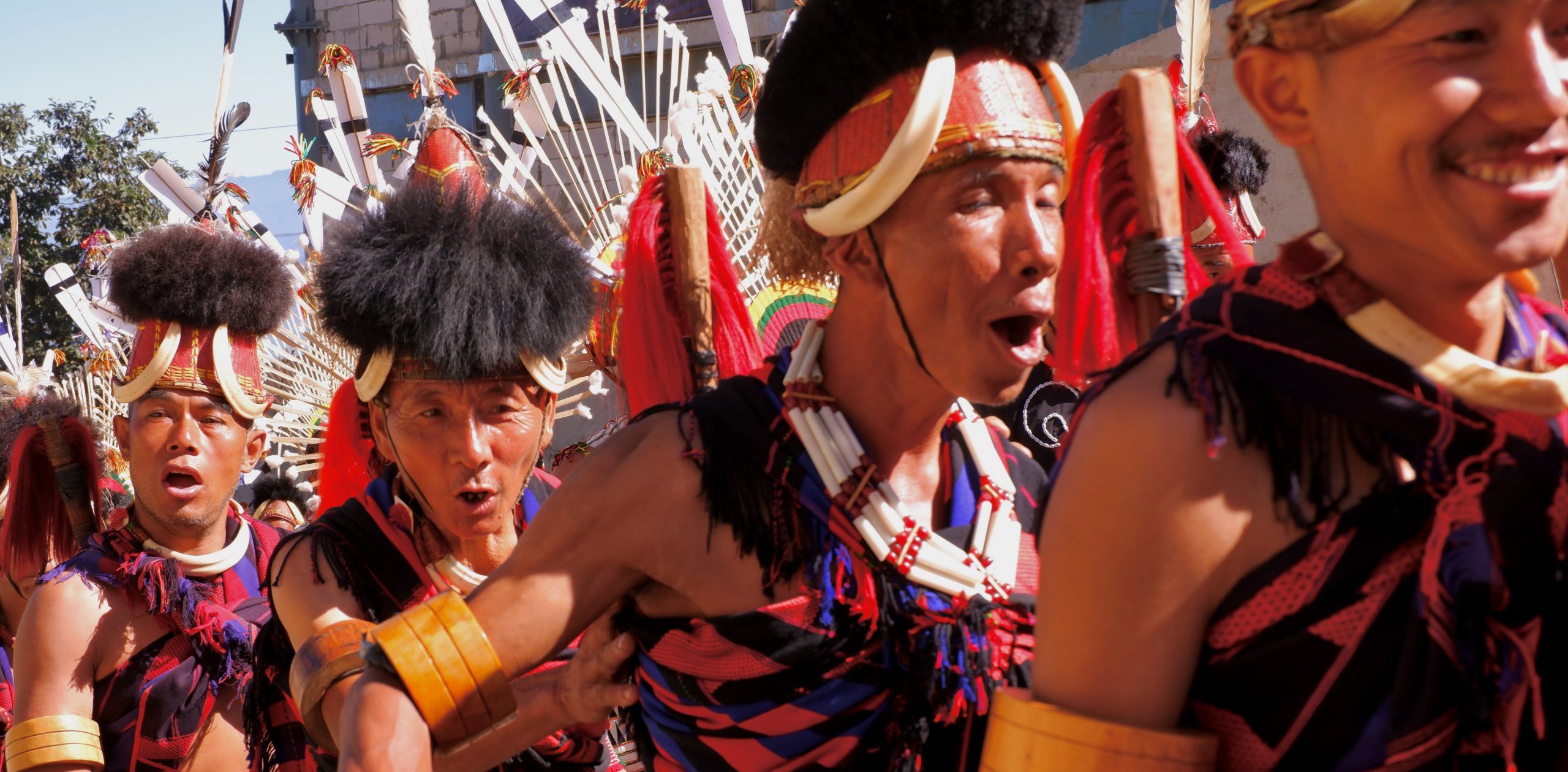
The biggest attraction in this respect is the 10-day Hornbill Festival in Nagaland, where all the local Naga tribes come together.
We can design a trip with a particularly high number of encounters — or only occasional ones. Either way, you will definitely meet people with an indigenous background.
Hiking and Trekking
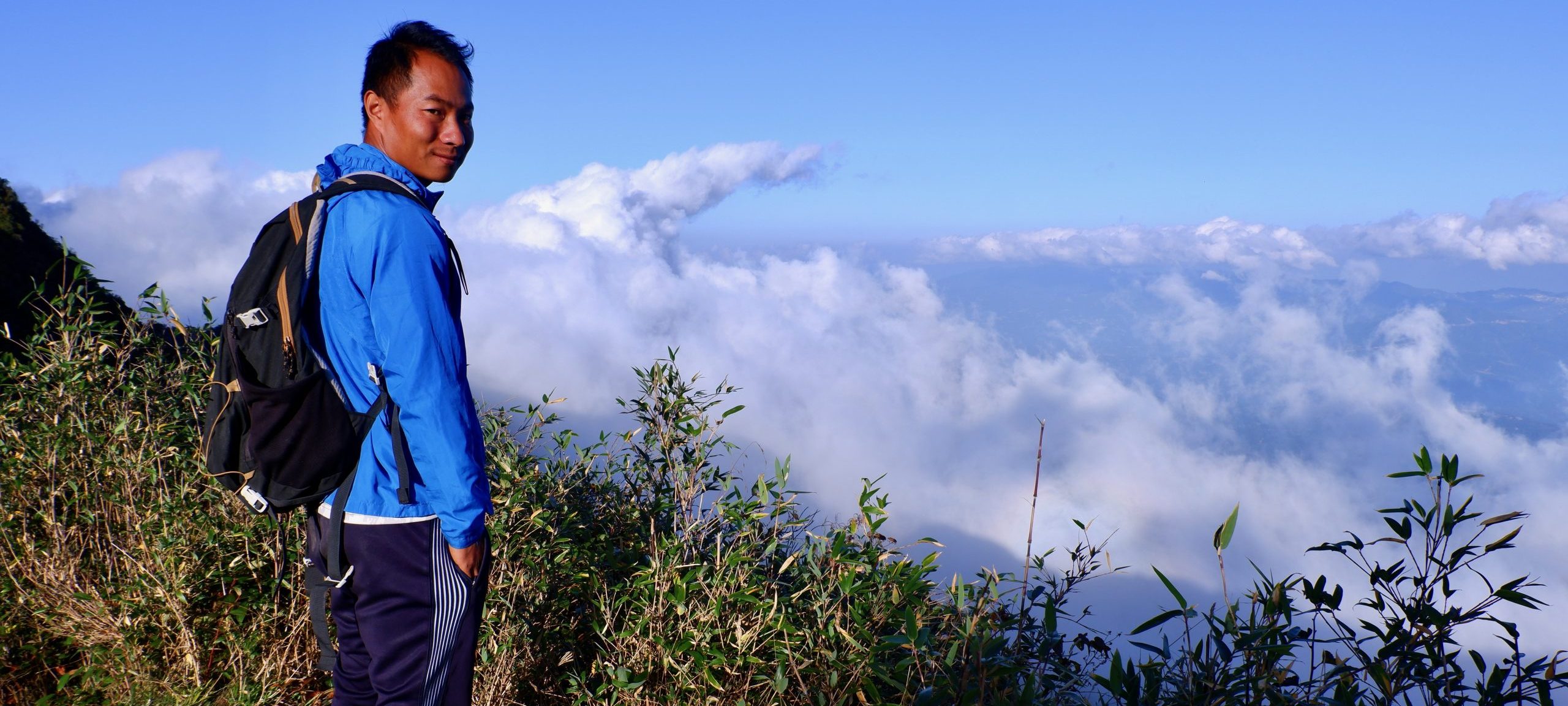
Outside the great Brahmaputra plain, north-eastern India is predominantly mountainous. This ranges from the over 7,000 m high Kangto in Arunachal Pradesh to the unique Dzukou Valley in Nagaland to the ‘Scotland of India’, the green state of Meghalaya. This offers great hiking opportunities! However, apart from Arunachal Pradesh, there is no real trekking infrastructure.
In Arunachal Pradesh, we can arrange classic multi-day tent treks – please contact us to find out about the options (as permits and conditions often change, we have not listed anything here directly). In Nagaland, we arrange a 2-day trek to Dzukou Valley (it can also be done as a day trip, but this is much more limited in terms of time).
Otherwise, there are opportunities for day hikes everywhere. In Meghalaya in particular, the living root bridges are worth mentioning, which cannot be accessed by road and can only be reached on foot. A slippery but exciting experience! You can have waterfalls, village visits and viewpoints throughout the area into your hikes.
Religion
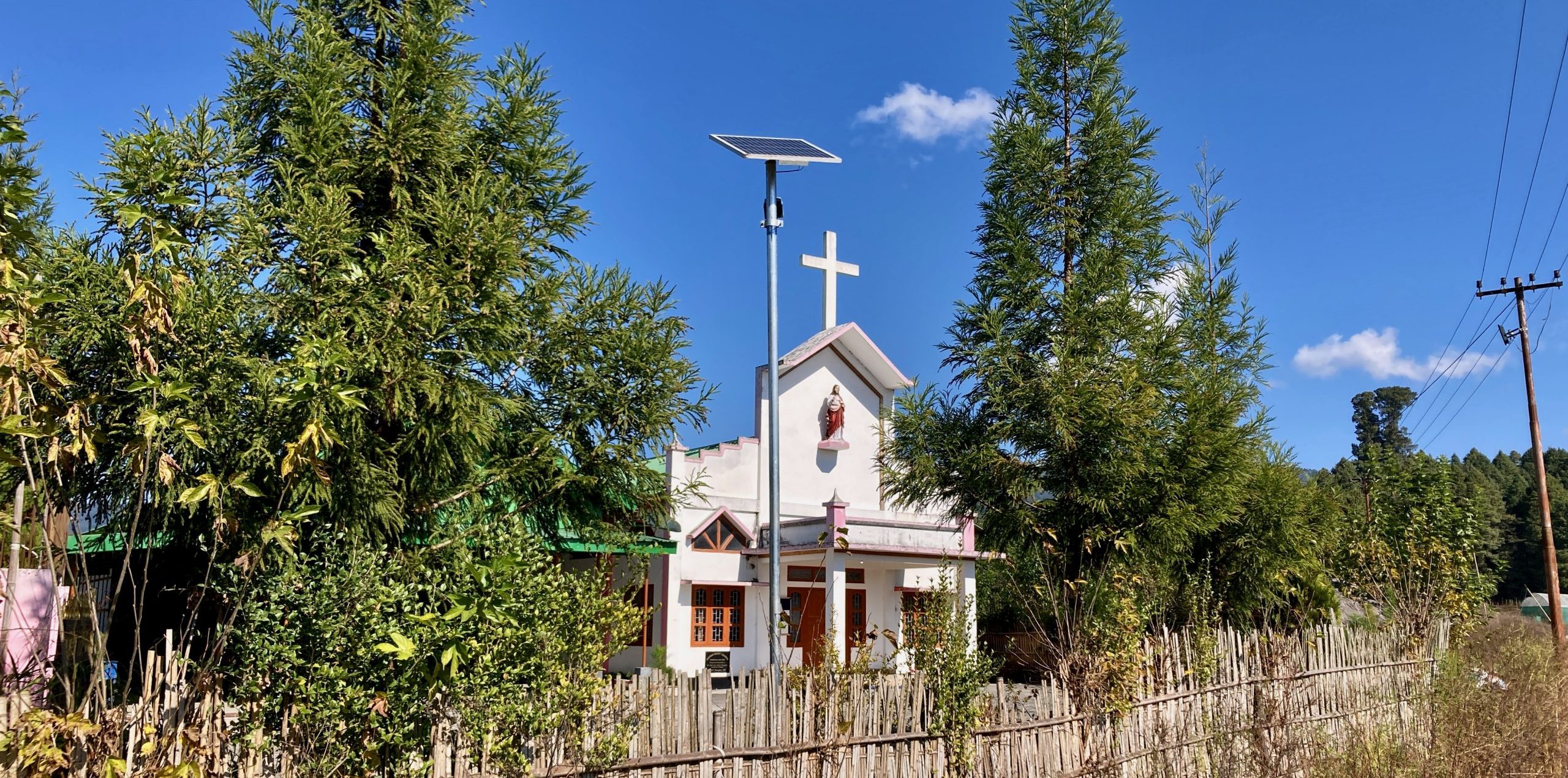
Religion is neither a uniform nor a simple issue in northeast India. While Nagaland has been almost completely Christianised (and continues to proselytise itself), Meghalaya is not far behind, the indigenous Donyi Polo faith is growing stronger and becoming institutionalised in Arunachal, and Hinduism (with the special form of Vaishnavism in Majuli) has become widely established in Assam. In addition, there are smaller communities of Muslims, Buddhists (especially in western Arunachal Pradesh) and Sikhs.
There are also other animistic beliefs among various indigenous tribes throughout the region. In many cases, elements of these beliefs were incorporated into the larger religion when people converted. Arunachal has an anti-conversion law, which is currently the subject of intense demand and controversy.
The study of religion is definitely extremely exciting – be it the enthusiastic conversion to Christianity in Nagaland (a very special and interesting historical phenomenon), one of the few Hindu temples in Guwahati that worships femininity (Ma Kamakhya), the special Vaishnavism ashrams on Majuli, or even the living tradition of the Donyi Polo faith, where the sun, moon and spirits replace a ‘god’.
Villages
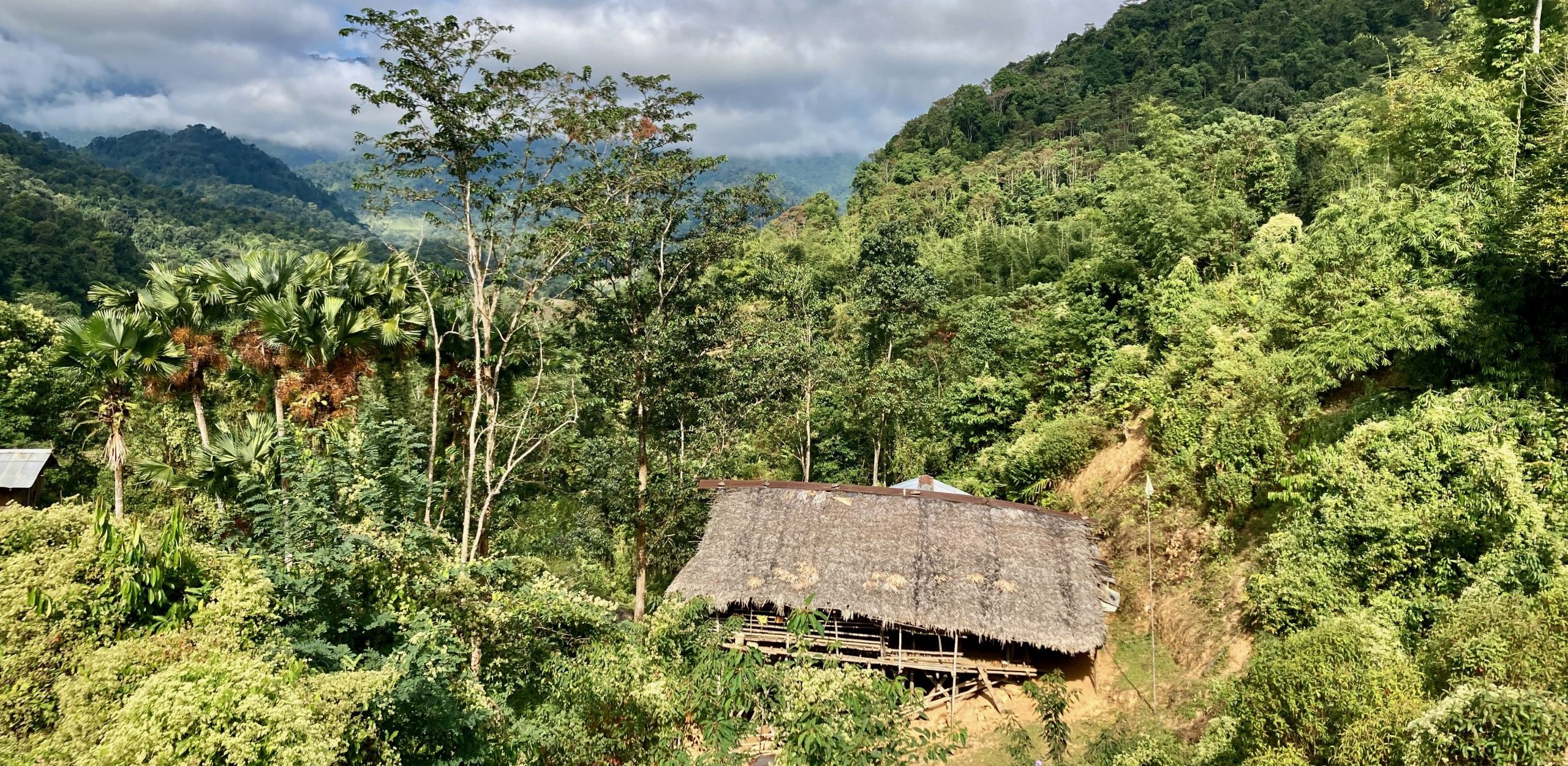
The entire Northeast has no true megacity — even though Guwahati is already close to that threshold. And while there are many small towns, the region as a whole is predominantly rural. What could be more natural, then, than taking a closer look at village life during a journey? You can do this in different ways: as a day visit to a village, as a stop during an overland journey, or by staying overnight in one. The latter, of course, allows for the most immersive experience of village life. That said, there are still not many villages offering accommodation — but we do have a few good suggestions once a concrete itinerary is being planned….
Indigenous communities in particular tend to live in villages. This makes it especially interesting to see how differently they are organized: how houses are adapted to local living conditions, which crafts are practiced as a focus, how decisions are made, how land use and livestock farming are structured, and which challenges communities face in everyday life. Even the various forms of rice cultivation are fascinating in themselves, with more than 100 different rice varieties grown across the region. Particularly noteworthy are the Apatani communities in Arunachal Pradesh, who practice a very distinctive and highly specialized form of wet-rice cultivation.
It is always especially fascinating to hear how communities respond to (modern) change. How do new roads, forms of production, communication technologies, politics, and infrastructure development affect everyday life? Which traditions endure, and which ones are changing? Who remains in the village, and who migrates to towns and cities? What influence do people have who have studied and/or worked elsewhere? As English is not widely spoken everywhere, we are happy to arrange a translator if needed – and in any case, you will be accompanied by a guide who can help facilitate communication.
Beyond all the “learning and experiential aspects,” a stay in a village is also a wonderful opportunity to enjoy a slower rhythm, appreciate the simplicity of life, unwind, and listen to the sounds of nature.
Festivals
The best-known and most famous festival in Northeast India is the 10-day Hornbill Festival in Nagaland – an absolute crowd-puller. It takes place in the first days of December, and thanks to its long duration the crowds are fairly well spread out. A large program in the stadium, along with many smaller performances in and around the adjacent “Naga Village,” offers plenty of entertainment for one to two days.
Less well known are the many local festivals of the different Naga tribes. Some of them are easily accessible, take place at pleasant times of the year, and are very interesting. Here you will hardly encounter any other travelers. Examples include Sekrenyi of the Angami in February, Moatsu Mong of the Ao in May, Tokhü Emong of the Lotha in November, and Aoling of the Konyak in April. We are happy to check whether one of these festivals can be incorporated into your trip.
In Arunachal Pradesh, Indigenous Faith Day is celebrated on December 1st, a relatively recent festival aimed at strengthening political and cultural identity. Arunachal Pradesh is also home to various festivals of its tribal communities. Particularly noteworthy is the Myoko Festival of the Apatani in March/April, which lasts several weeks.
In Meghalaya, you can witness fascinating ceremonies during the spring festival Shad Suk Mynsiem and the autumn festival Wangala.
The usual pan-Indian festivals such as Holi, Diwali, and Dussehra are celebrated on a larger scale only in Assam, which has a significant Hindu population. Republic Day and Independence Day, however, are observed everywhere—sometimes more prominently, sometimes more low-key. In contrast, Christmas and Easter are major celebrations in the predominantly Christian regions.
Beyond the festivals mentioned above, there are many other local celebrations throughout the region. Just let us know to what extent you would like your itinerary to be planned around these events.
Blogeintrag zum Nordosten
About my trip to Nagaland, Assam and Arunachal Pradesh in 2025: