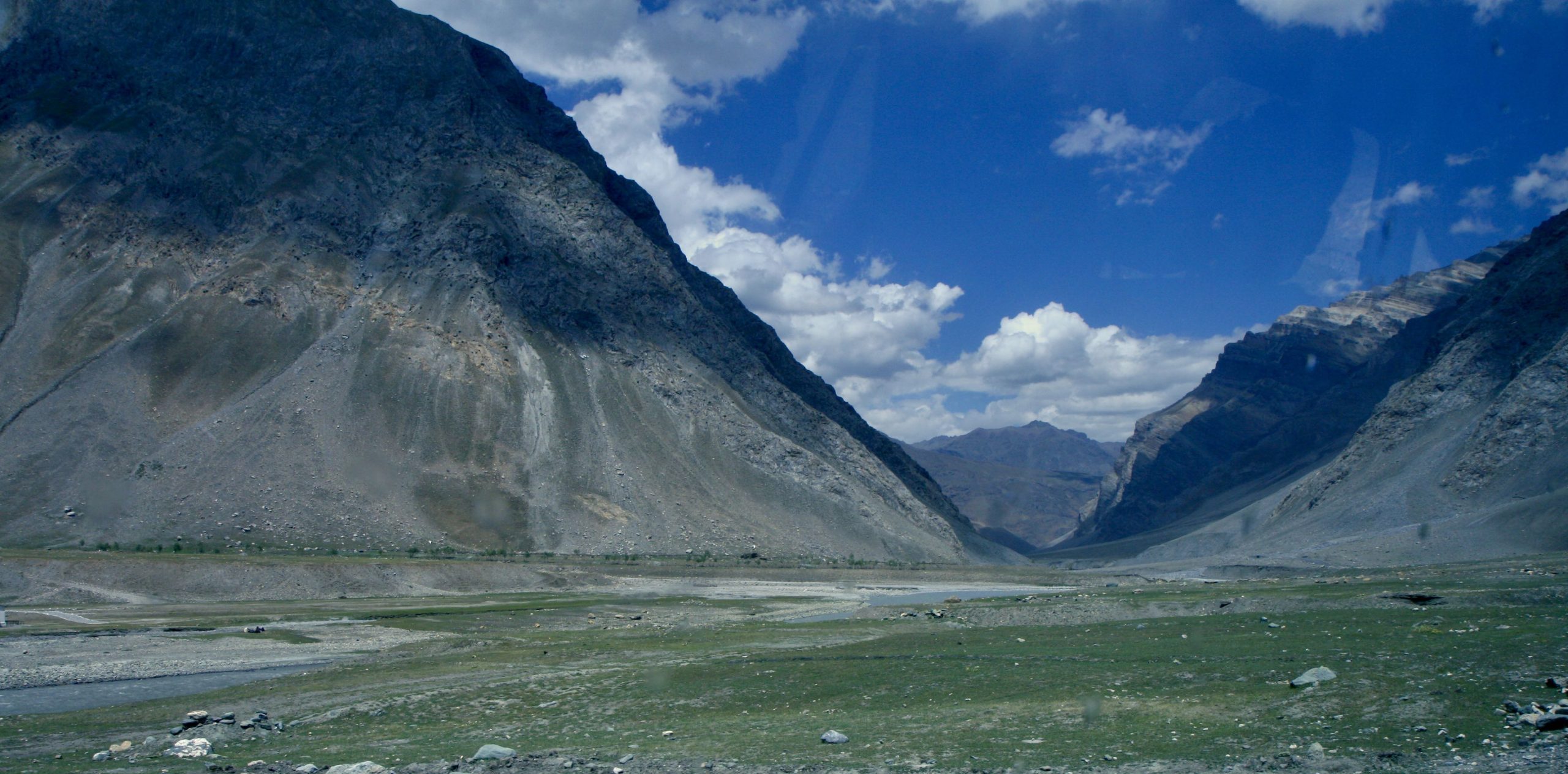


KASHMIR
Kashmir, once a holiday paradise for colonial Britishers, honeymooners, hippies, and many others, is today only partially accessible to travelers due to periods of unrest. A relatively small region in the wider surroundings of the capital, Srinagar, offers culture, nature, mountains, hiking, and winter sports. At times, even this is not possible, and Kashmir again becomes off-limits for tourism. However, for periods when travel is permitted, we provide the relevant travel information here. As of early 2026, Kashmir has been a mostly peaceful travel destination for several years
Kashmir has a very long border with Pakistan, and this border region is off-limits to Western travelers. Even the core area, however, already offers such outstanding natural beauty, warm and welcoming people, and a fascinating culture that a visit is well worth it. Those who enjoy hiking—especially multi-day treks—will be particularly delighted. Whether you visit Kashmir as a stand-alone destination or combine it with Amritsar, places in Himachal Pradesh, Jammu, Punjab, and/or Ladakh, the region is highly rewarding to explore.
Kashmir covers an area of around 15,000 square kilometers and is home to roughly 7 million people, with an average elevation of about 1,700 meters. In principle, Kashmir can be visited year-round: in winter, Gulmarg attracts visitors with winter sports; in spring (April/May), fruit trees and alpine flowers are in bloom (although hiking at higher elevations is often not yet possible due to snow); summer (June–August) offers very pleasant temperatures, though with occasional rainfall; and autumn (September/October) is considered the best time to visit, with golden foliage, the rice harvest, and clear views.
Below, we briefly outline a few topics that may be of interest for a stay in Kashmir. We are, of course, happy to provide further information—our colleagues are based locally and keep us regularly up to date!
Arrival and On the Road
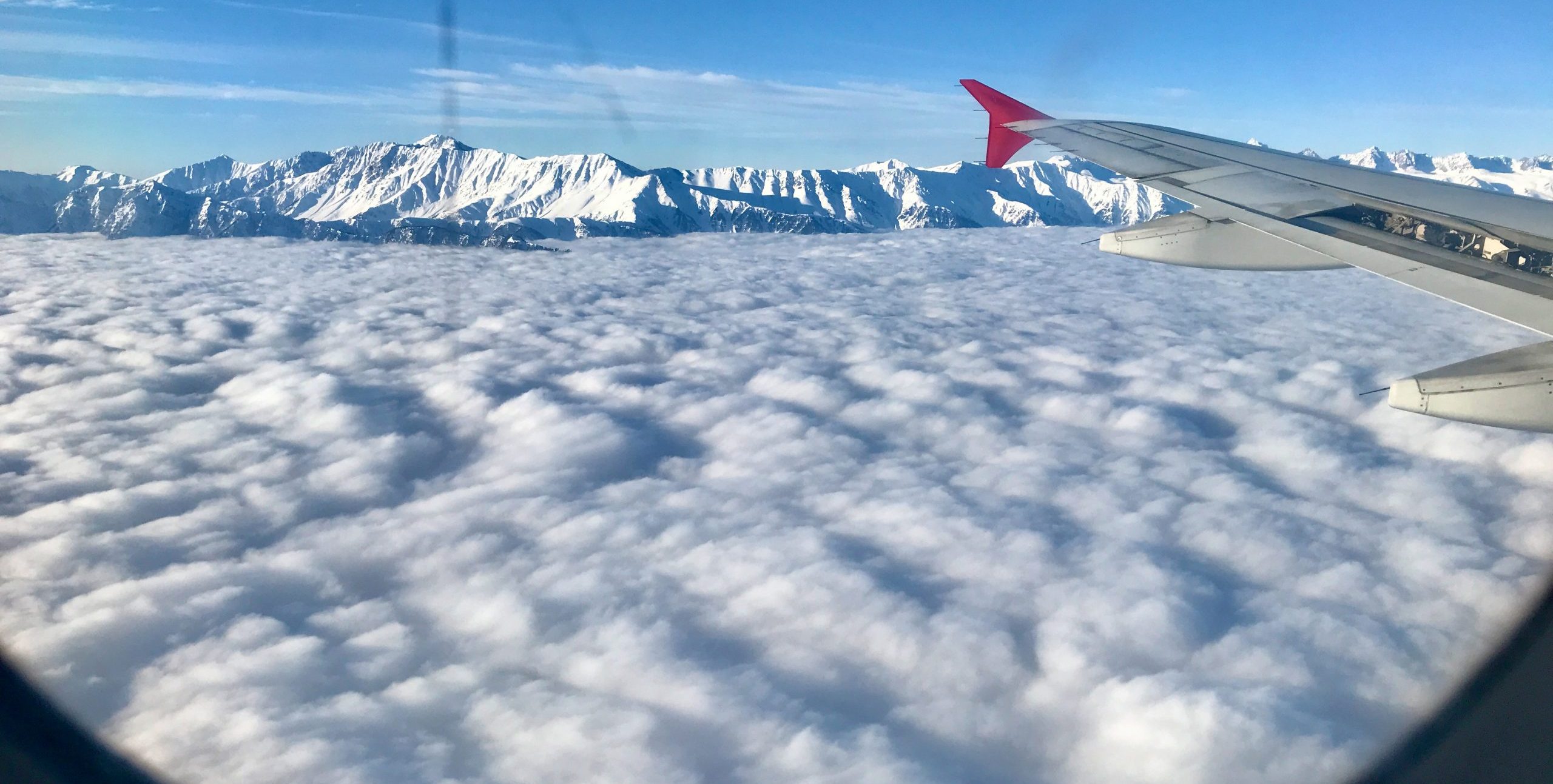
Srinagar has an airport with fairly frequent flights from Delhi, and less frequent connections from Jammu and Chandigarh. The overland route from Delhi is very long at around 800–900 km and not particularly scenic. There are also few worthwhile places to visit along the way (with the exception of Amritsar, which would require a detour). Those who prefer not to fly can instead travel by (overnight) train to Jammu and then continue by car to Srinagar.
Alternatively, one can travel not from Delhi but from Leh/Ladakh. This also involves a two-day journey by car, but the route is spectacular and very much worth it.
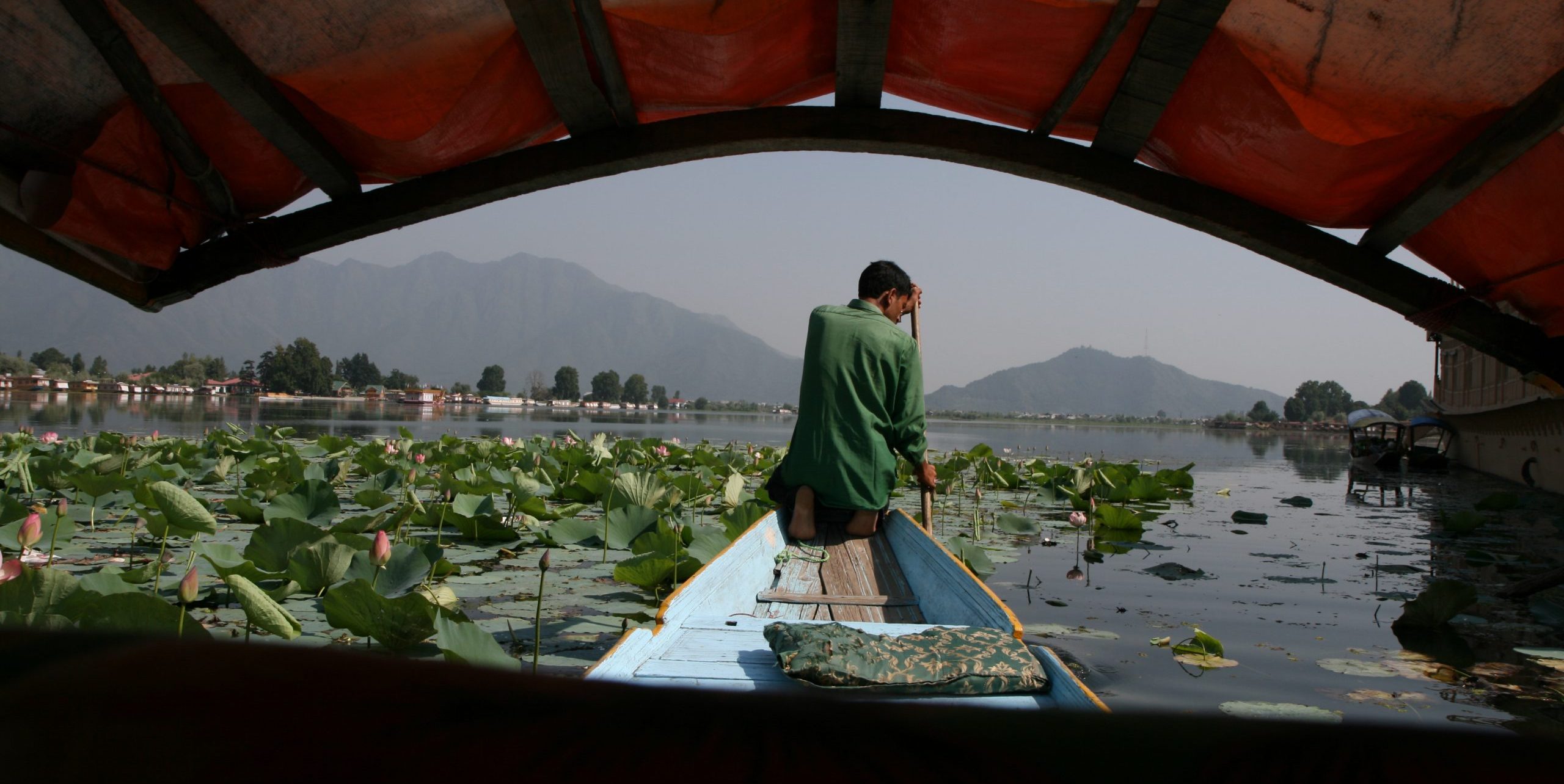
Within Kashmir, traveling by car is the most convenient mode of transport — and on Dal Lake in Srinagar, the shikara is the way to go.
Accommodation
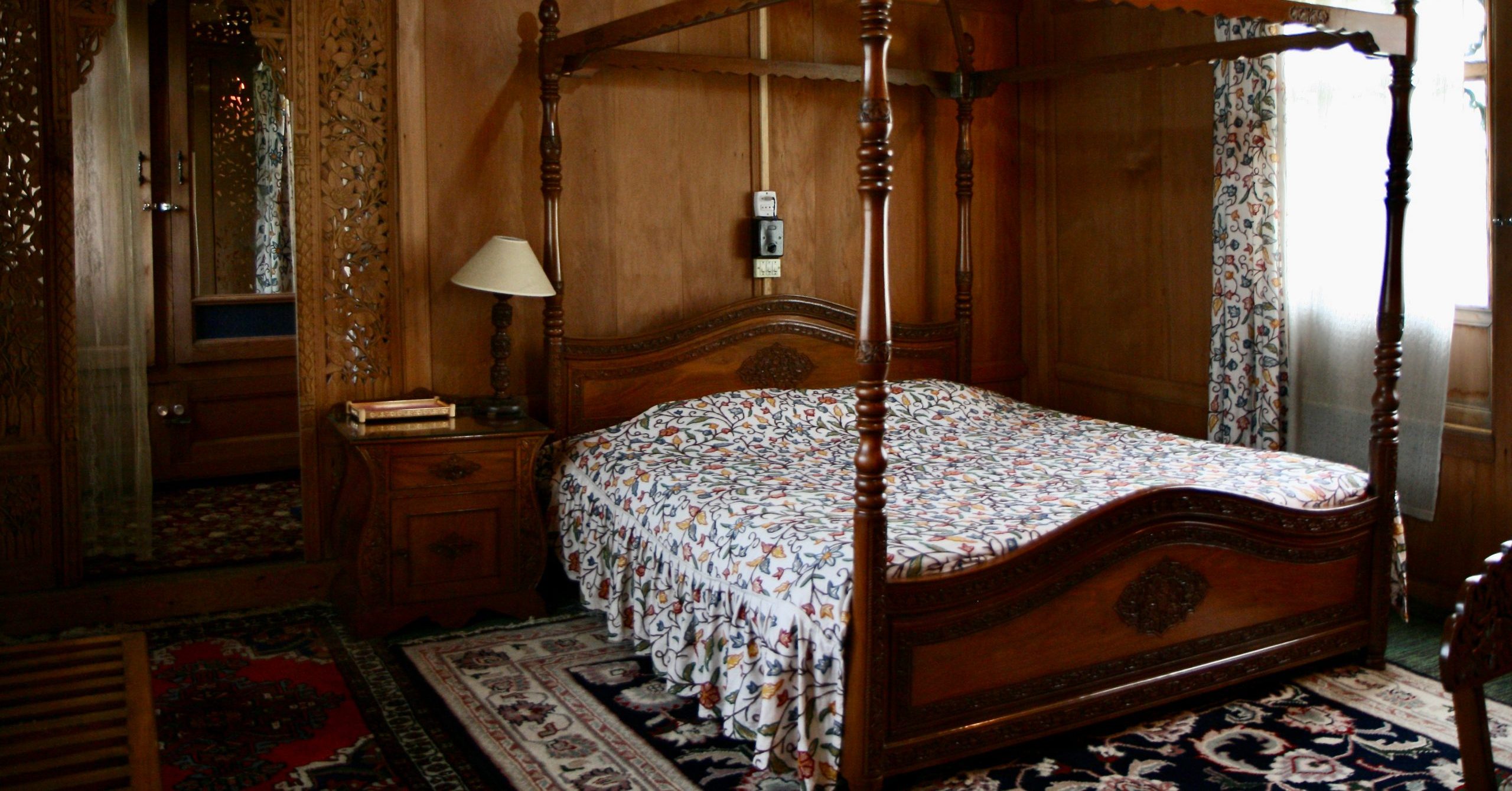
In the capital, Srinagar, staying on a houseboat is generally the most fitting accommodation option. Otherwise, you can choose between stylish hotels, cozy guesthouses, and a few charming local homestays. In winter, we recommend only accommodations with room heating — and such options are available!
Culture
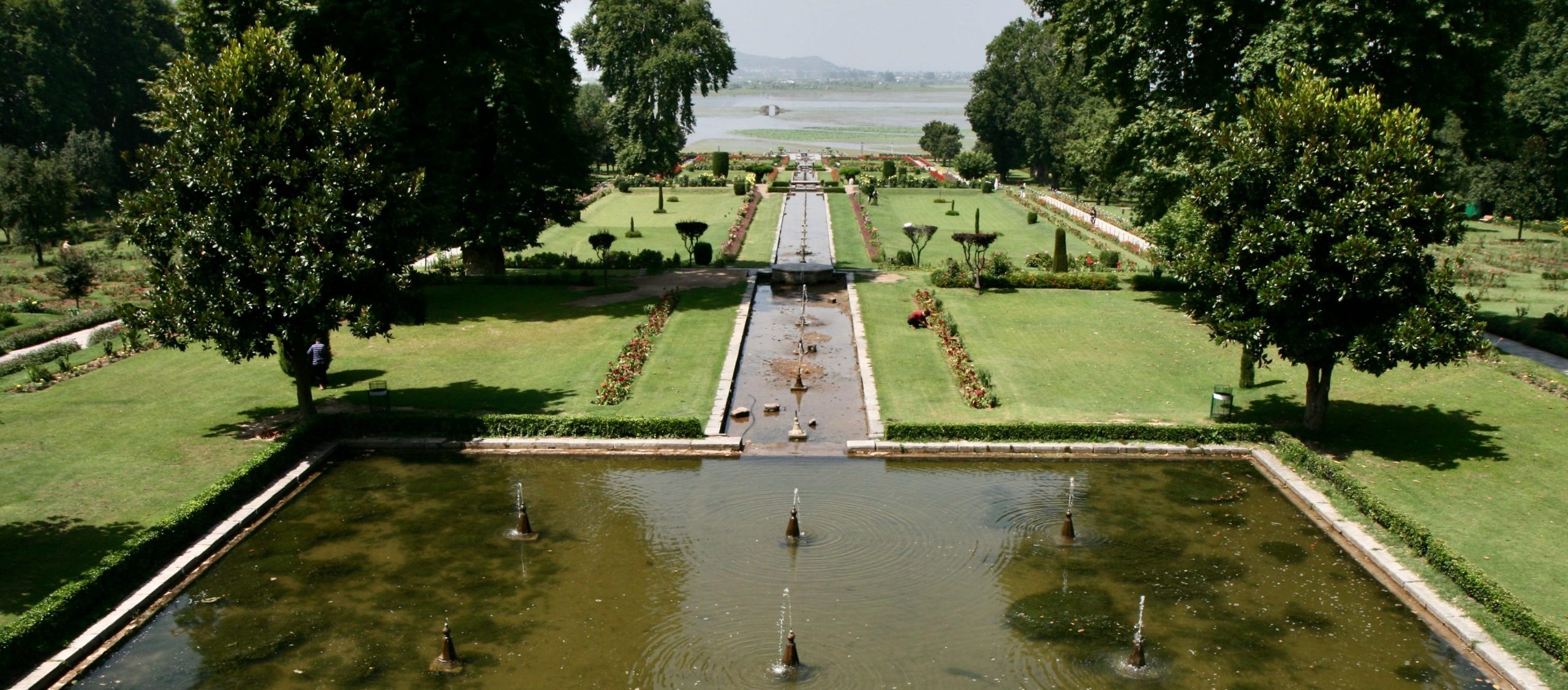
Due to the dominance of Islam, the culture here differs from that of Hindu-majority India. Mosques, rather than temples, shape the religious landscape. Still, there are also very interesting Hindu sites, most notably the Amarnath Cave dedicated to Shiva, which is only open during the pilgrimage season. For off-season visits, the ancient Naranag temple complex from the 8th century near Sonamarg is particularly appealing. Beyond the stunning natural scenery, there are also magnificent gardens created by the Mughal rulers, perfect for leisurely walks. Handicrafts are highly valued here, as everywhere in India. Local specialties include lacquered papier-mâché items, while wood carvings are also impressive and beautiful to behold. Of course, Kashmiri wool processing is another major craft tradition in the region.
Srinagar
Srinagar, the capital, has just under 2 million inhabitants. Even the British loved the area and started taking houseboat tours, often staying on them since land ownership was prohibited for them. Today, these houseboats serve as a unique accommodation experience. The Dal and Nagin Lakes dominate Srinagar and its surroundings. Much activity takes place on the water — tourists ride shikaras, while small boats are mainly used for transport and trade. Srinagar is also home to the early-morning floating market, as well as the floating gardens: small rectangular islands made of reeds and soil used for vegetable cultivation, which are fascinating to see.
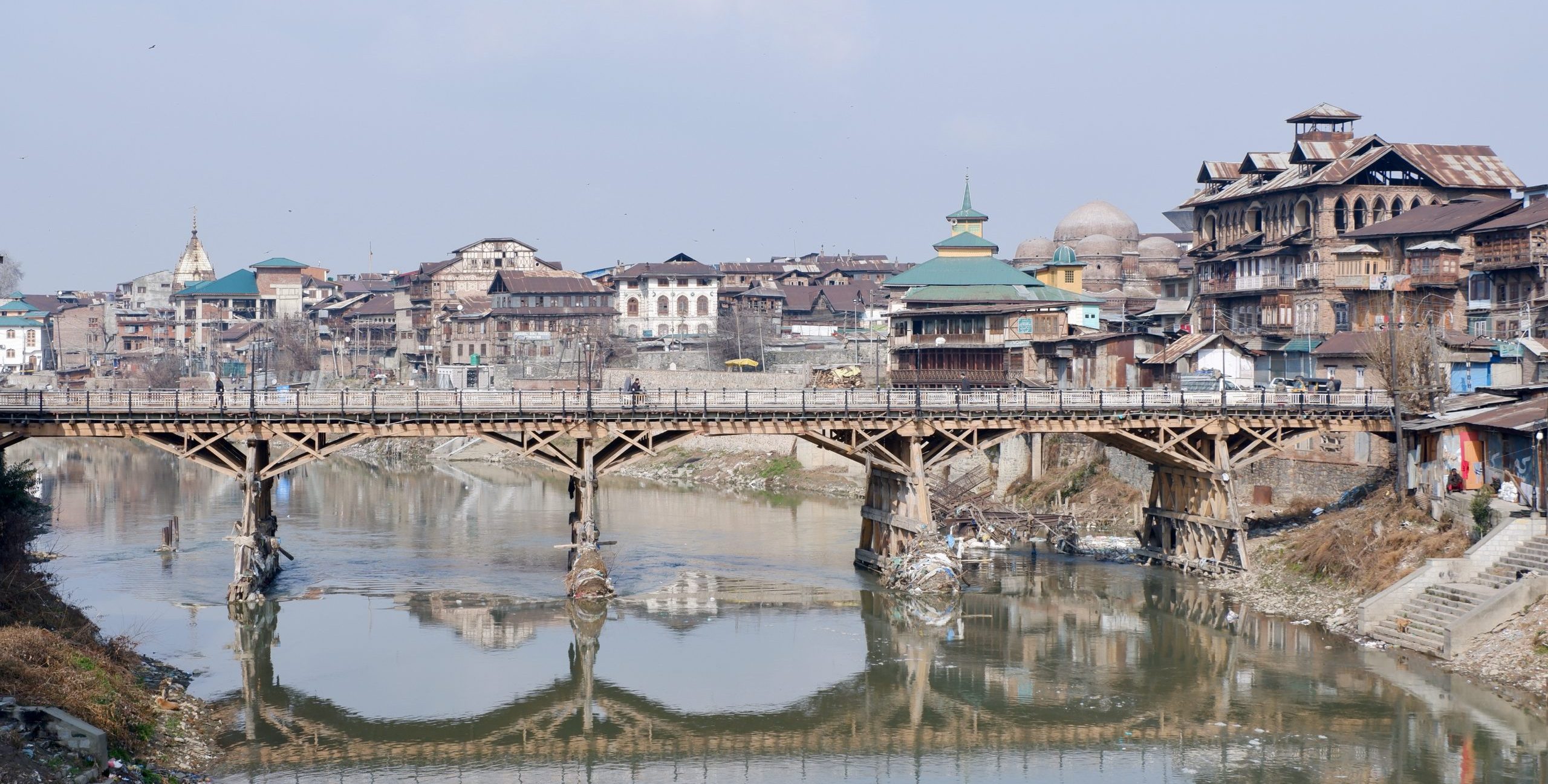
Srinagar has a noteworthy old town with magnificent wooden houses, a lively artisan quarter, and interesting mosques. Examples include the Jamia Masjid from the 14th century, built entirely without nails, and the Khanqah-e-Moula, an important Sufi shrine with brightly painted woodwork. A little farther out is the Hazratbal Shrine, a spiritual center located on Dal Lake.
Finally, we recommend a visit to the Shankaracharya Temple, situated on a hill that offers spectacular views over Srinagar and its surroundings.
Hiking/Trekking
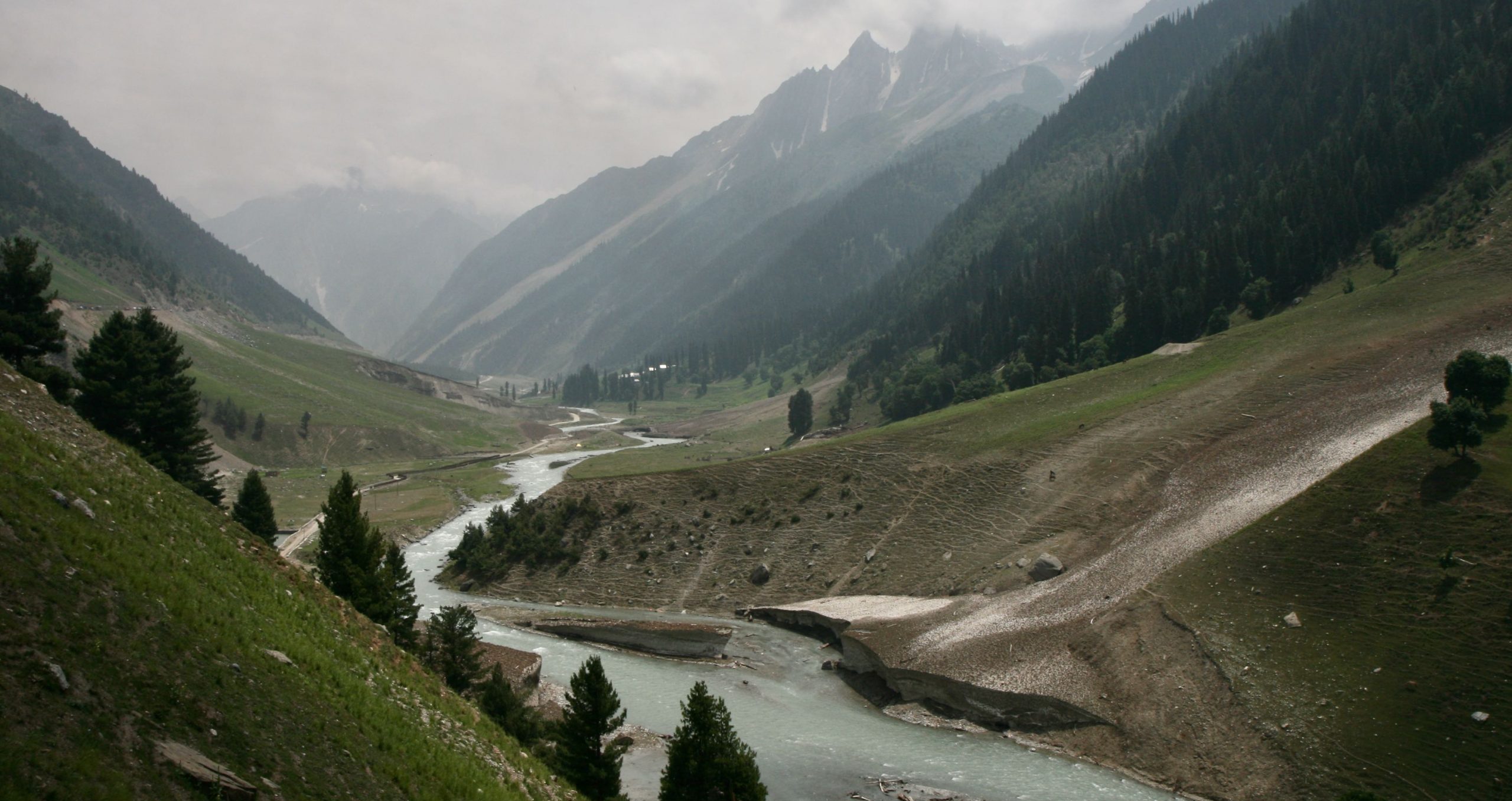
Kashmir is a trekking paradise. Lakes, alpine meadows, rugged peaks, gentle valleys, and sparkling rivers provide the perfect backdrop for a wide range of multi-day treks lasting between 3 and 13 days. Treks are done with pack animals or porters, and overnight stays are in tents. The major classics are the Great Lakes Trek (6 days) and the Tsasar-Masar Trek (7 days), which can also be combined. Beyond these, there are numerous other options with varying lengths, elevations, and difficulty levels. Tell us your preferences and conditions — we’ll find the trek that suits you best!
For those who don’t want to spend nights in tents but still enjoy exploring nature on foot, there are plenty of options for day hikes. The most popular destinations are Naranag and the Lidder Valley, but there are many other possibilities in this spectacular landscape.
Winter(sports)
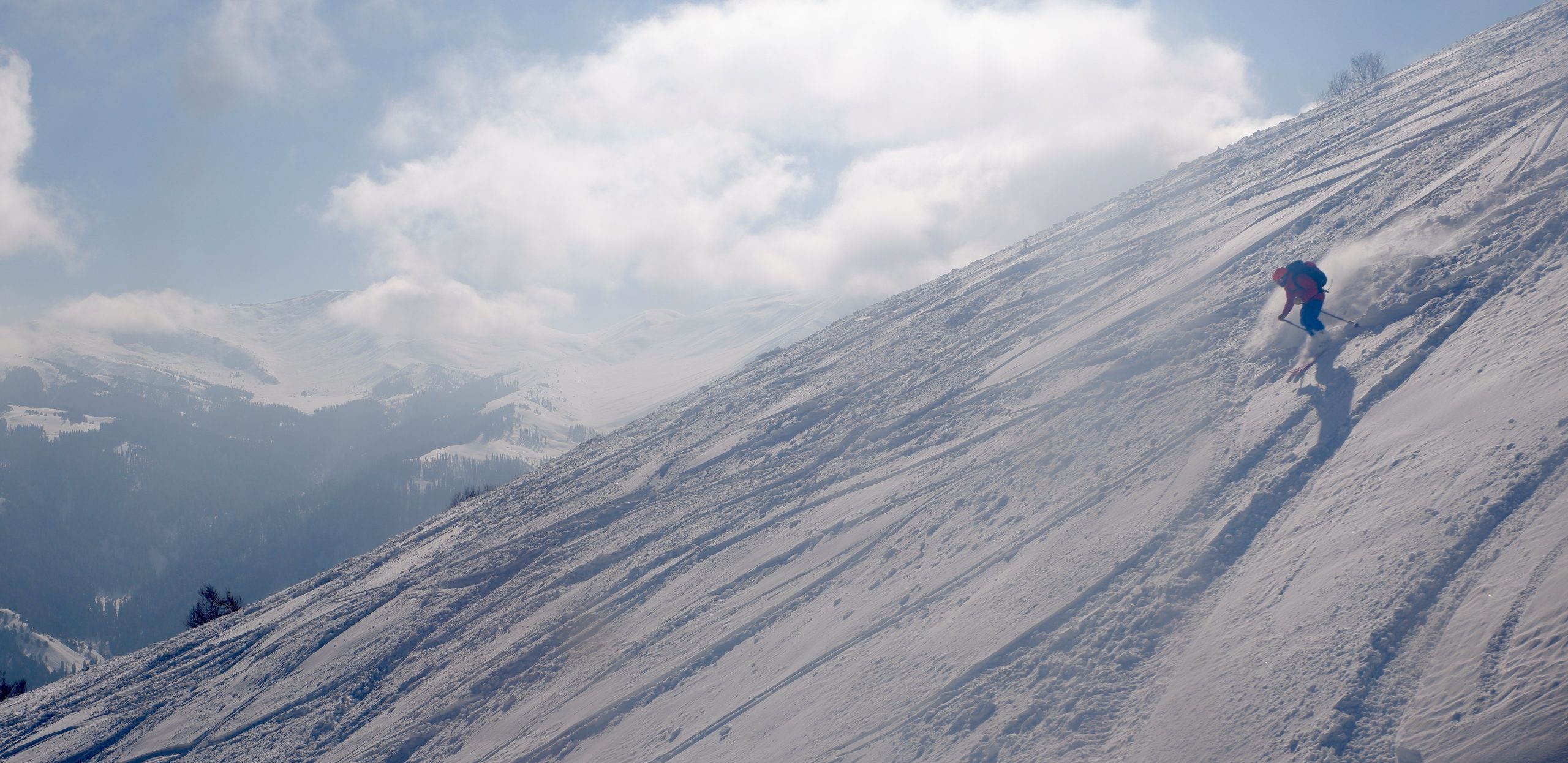
Skiing and snowboarding in India may sound absurd — but it’s not! In fact, it’s an amazing experience with unique opportunities. In Kashmir, Gulmarg has developed into a true ski resort, complete with a gondola, a chairlift, and a T-bar lift. The longest run is 13–14 km, covering an elevation difference of 1,330 m. The biggest attraction, however, is the abundance of off-piste tours with pristine powder slopes. And where else can you ski while catching views of Nanga Parbat and other Himalayan giants? Internationally, the area is becoming increasingly popular among skiers and snowboarders.
For those who want to experience the winter mountains but don’t ski or snowboard, Gulmarg also offers great opportunities for sledding or winter hikes. You can even take the gondola up to the mountain station at nearly 4,000 m, enjoying spectacular views of the surrounding peaks — no winter sports equipment needed.
Access is usually by flight to Srinagar, followed by a taxi ride to Tangmarg. From there, the last 10 km can only be covered with snow chains or a four-wheel-drive vehicle. Once in Gulmarg itself, it’s easy to get around on foot.
Gulmarg, Sonamarg, Pahalgam et al.
Apart from Gulmarg, there aren’t that many places in Kashmir that are currently easy to visit.
Gulmarg is not only a winter sports destination but also worth visiting in the snow-free months — the landscape is simply beautiful, and the gondola provides an easy way to reach high elevations and enjoy spectacular views.
Pahalgam is located south of Srinagar on the clear Lidder River, set in gently rolling mountain scenery. Nature is the main attraction here, and the inviting surroundings can be enjoyed through various hikes, walks, or even river rafting.
Sonamarg, the “Golden Valley”, lies northeast of Srinagar. Even the approach takes you through increasingly alpine scenery, with narrow gorges, glacier-fed streams, and bare mountain slopes dominating the landscape. Besides the Naranag Temple, nature and the scenery are the main highlights here. It’s an excellent area for hiking, for example to the Thajiwas Glacier. Sonamarg also makes a great stop on the way to Ladakh.
Along the way, you’ll pass saffron fields, apple orchards (Kashmiri apples are popular throughout India), and walnut trees. In autumn, you may also encounter returning Bakarwal nomads with their large flocks of sheep and goats.
Road to Leh
From Kashmir, it’s natural to continue on to Ladakh. The 430 km journey from Srinagar to Leh should be planned over at least two days. The route is spectacular, winding up from the green mountains of Kashmir to the Zoji La Pass, before entering a dry high-altitude desert. The cultural transition from Islam to Buddhism is also fascinating. There are many interesting and beautiful stops along the way: Sonamarg in Kashmir, the coldest town in the region Dras, the Muslim town of Kargil, and Ladakh’s most picturesque village, Lamayuru. From Kargil, it is also possible to detour to Padum in Zanskar. Essentially, there are countless options for how to shape the journey — and no matter what you choose, it’s all awesome!