

Wildlife Spotting
India and Nepal are rich in diverse wildlife, from majestic tigers to rare snow leopards. In the national parks of both countries, numerous animal species can be observed on safari, including various big cats, monkeys, and one-horned rhinoceroses. However, a word of caution in advance: it is definitely not like Africa! Animals do not roam around “en masse” in front of your camera lens — you truly have to search for them.
Remember The Jungle Book? Ever wondered if you could visit the place where it’s set? You can! The Jungle Book was inspired by India, specifically the state of Madhya Pradesh. The stories are set in the region around the Seoni Hills and the Wainganga River. Today, Pench National Park and the nearby Kanha National Park are considered the real-life locations that inspired Kipling’s work.
Apart from its Jungle Book connection, Pench National Park offers another unique experience: a trekking tour in the buffer zone. Tigers and leopards are rarely seen here, but you’ll encounter many other animals. Overnight stays are in tents, and you explore on foot — a completely different way to experience the national park!
In addition to the large mammals, birdwatching in both countries is a real highlight, as many endemic species inhabit the forests and wetlands. The entire Himalayan region also offers excellent opportunities to spot a wide variety of fascinating birds.
Tiger
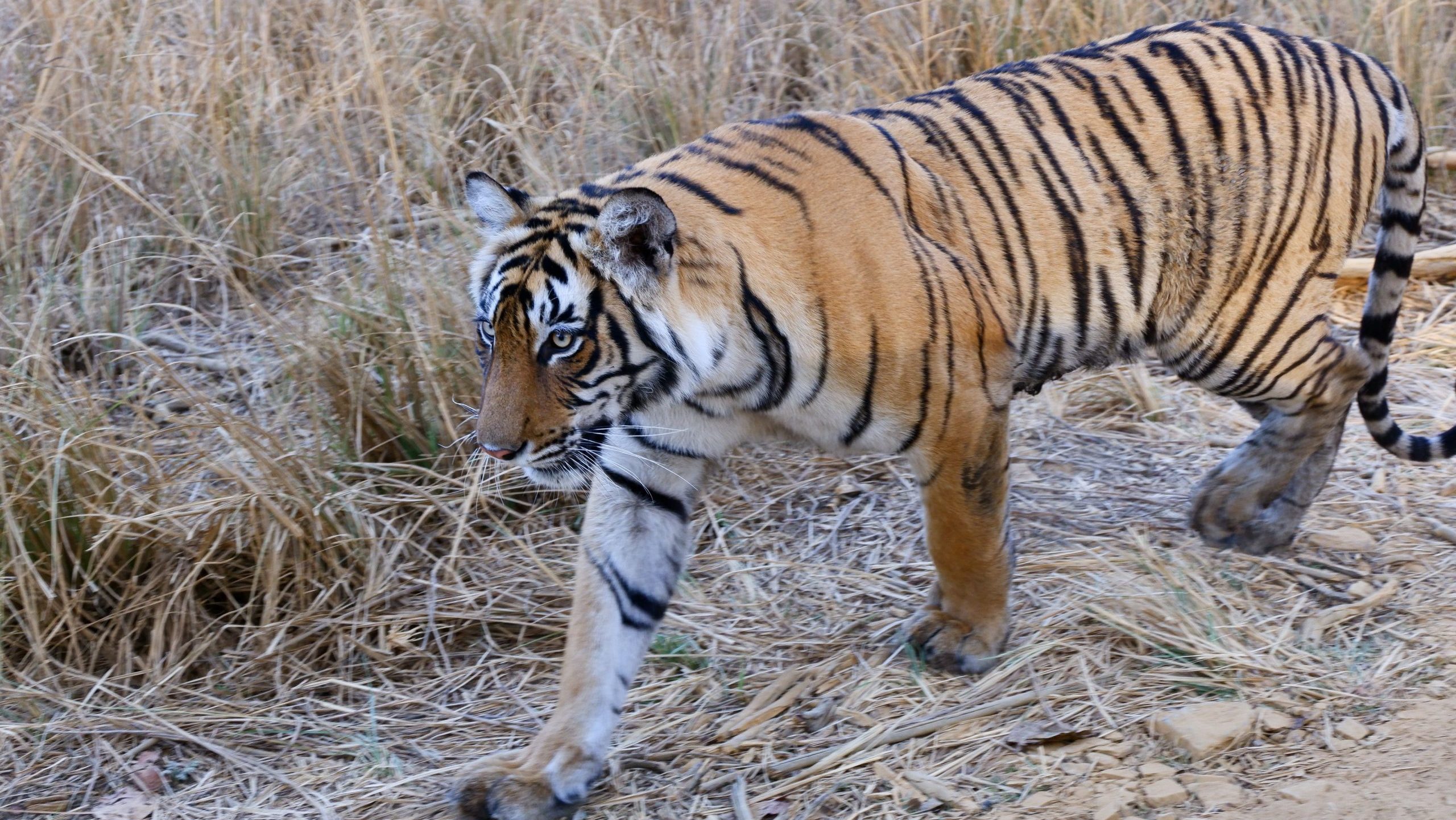
With well over 3,500 tigers, India is home to 75% of the world’s tiger population. Almost all of them live in designated tiger reserves, protected areas that often consist of core and buffer zones. There are 58 tiger reserves across India, some of which are particularly well-known and popular for safaris. Because park sizes and tiger populations vary, the chances of spotting tigers also differ. The top reserves for sightings include Ranthambore (Rajasthan), Bandhavgarh, Kanha, and Pench (Madhya Pradesh), Jim Corbett (Uttarakhand), and Tadoba (Maharashtra). A very special case is the Sundarbans, which also feature a unique mangrove ecosystem.
It’s not just the park that affects your chances of spotting wildlife — the season matters too. After the monsoon, many ponds and waterholes are full, so animals are more spread out. Before the monsoon, there are fewer water sources, making it easier to target specific spots — but unfortunately, this pre-monsoon period is also the hottest time of year in India.
Many parks have designated safari slots that must be booked in advance. Demand is so high that unrestricted access would create too much disturbance. As a result, it’s often necessary to book very early when new slots become available. Safaris are usually conducted in jeeps for up to 6 people or in larger canter vehicles that hold around 20. We prefer the jeeps. Please talk to us about when, where, and in what form we can offer you the best tiger safari experiences!
Nepal also has tigers, but in much smaller numbers. The population has grown significantly over the past decades, but there are only around 400 tigers. They are spread across several national parks, with the best chances of sightings in Bardiya and Chitwan National Parks. So, tiger sightings are more challenging, but the parks are beautiful and offer the opportunity to see many other animals. We therefore still recommend safaris in Nepal — just keep in mind that the chances of spotting a tiger are lower than in India.
Lions
The only lions in Asia live in India — specifically in Gujarat, in and around Sasan Gir National Park. There are almost 900 lions there. Safaris are offered in jeeps within the park. At the end of the 19th century, lions were nearly extinct due to intensive hunting, habitat loss, and a decline in prey, with only 20–30 animals remaining. The conservation efforts of the Nawab of Junagadh, who protected the lions, are a remarkable success story — as evidenced by the thriving population today.
You can either include a lion visit as part of your Gujarat tour, or combine it with other wildlife experiences, such as spotting leopards and tigers in Rajasthan and Madhya Pradesh.

One-horned Rhinos
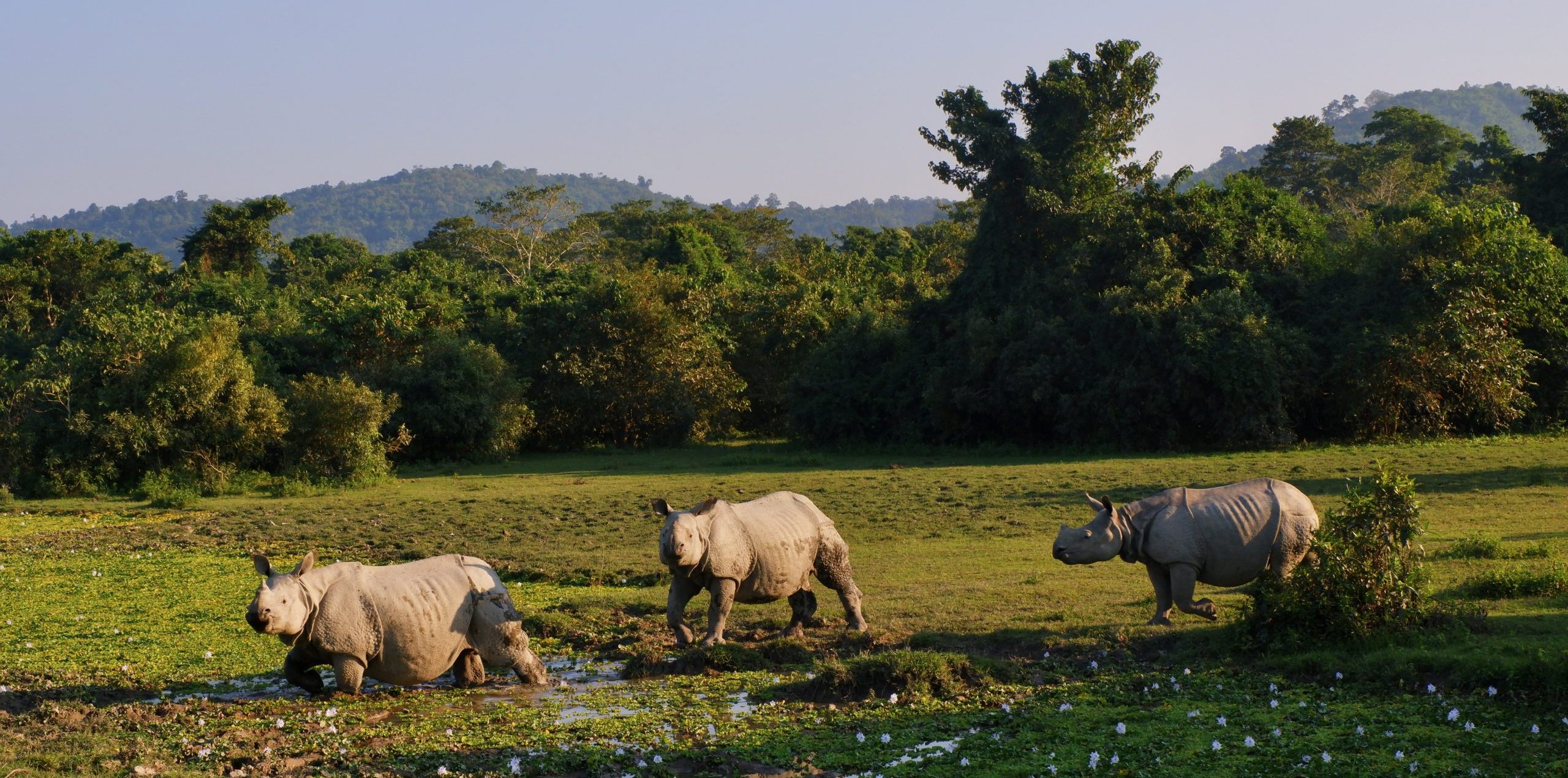
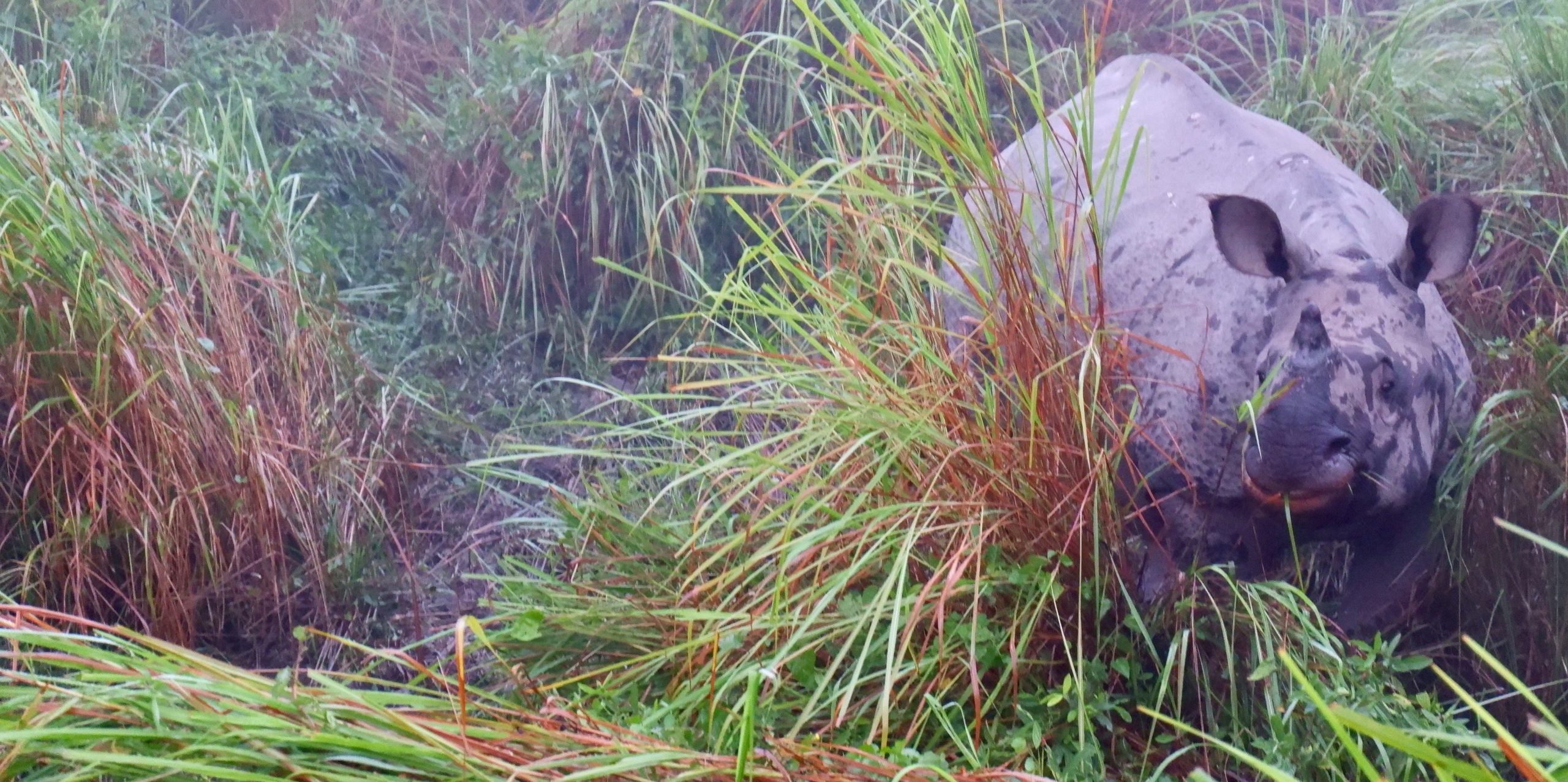
The one-horned rhinoceros can be seen in both India and Nepal. Together, their population exceeds 4,000 animals (as of 2025), which is a significant increase compared to previous decades. Poachers are still interested in the horns, but poaching has now been considerably reduced
Kaziranga National Park in Assam has the largest population of one-horned rhinoceroses, and sightings are virtually guaranteed — whether in the early morning from the elephant back or later from a jeep safari. In Nepal, Chitwan National Park also offers good chances to see rhinos. Efforts are underway there to reintroduce animals into other protected areas to better secure and expand their population.
Elefants
India is home to roughly 30,000 elephants, about half of the world’s population. They are fairly well distributed, with major populations in Kerala (Periyar, Nagarhole, and Bandipur), Assam (Kaziranga, Manas), and Uttarakhand (Jim Corbett), where they live freely in the wild. Over 3,000 elephants are used by humans, either as working elephants, for tourist attractions, or as sacrifying temple elephants.
In Nepal, the elephant population is much smaller — seeing elephants in the wild is only possible with a great deal of luck.
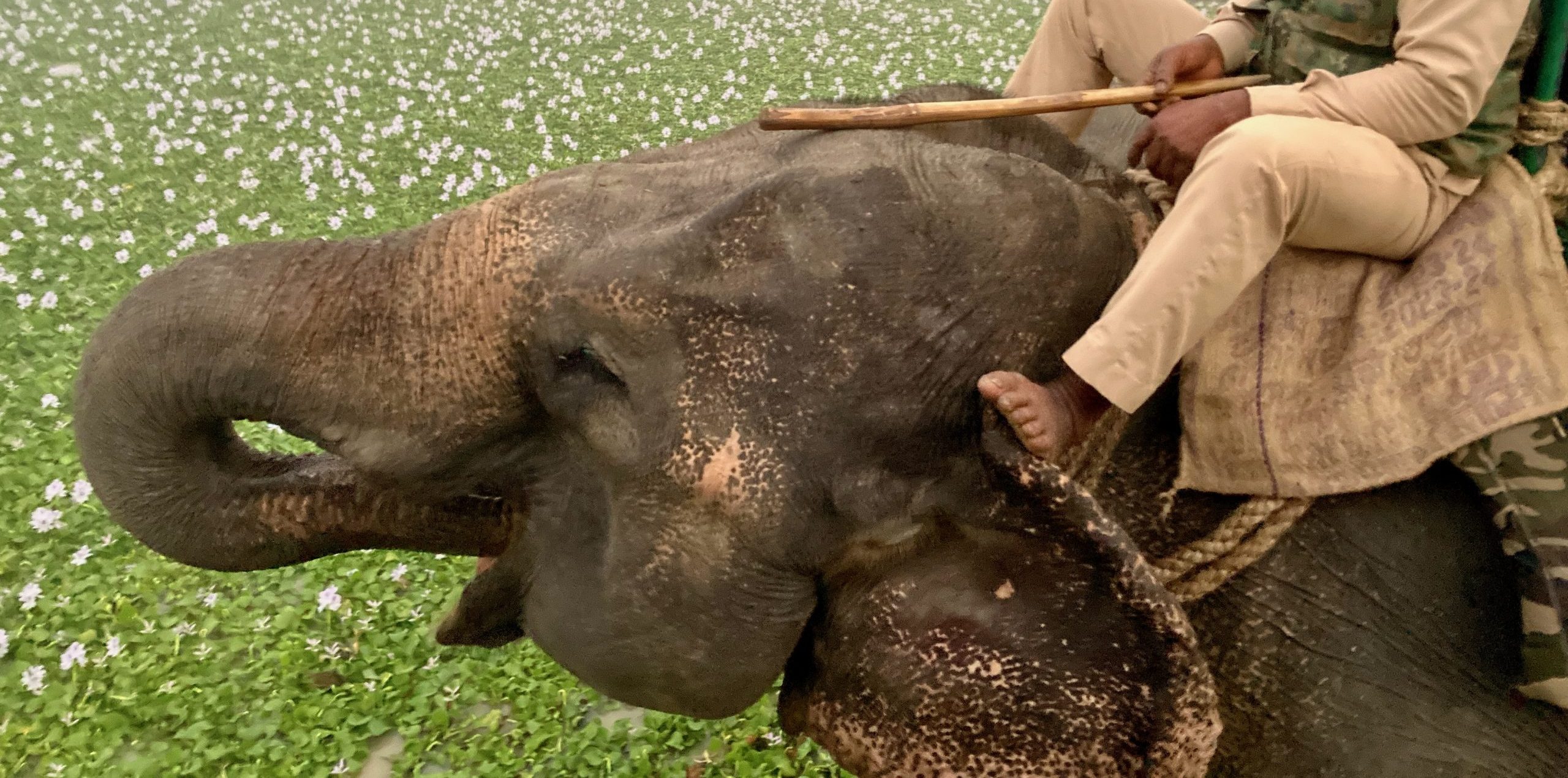
Elephant-back safaris are offered but remain controversial. Elephants don’t naturally enjoy carrying people around. On the other hand, being on an elephant can make you feel more immersed in nature than from a jeep. There are places where elephant safaris are less stressful for the animals, for example, where elephants only carry tourists for a short period early in the morning. In Chitwan National Park in Nepal, however, the elephants’ conditions are not quite as comfortable. We leave it up to you to decide whether you want to participate or not.
(Snow)-Leopard
Leopard = Leopard? Not at all — not even in India. Here we distinguish between the Indian leopard, with over 13,000 individuals, mainly found in Madhya Pradesh, Maharashtra, Karnataka, Tamil Nadu, and Rajasthan, and the snow leopard, with over 700 individuals, living in the high mountains, primarily in Ladakh.
The Indian leopard can be spotted either on a safari in national parks, often alongside tiger sightings since they share the same habitat, or specifically in the Jawai region of Rajasthan, where leopards live outside a national park in good coexistence with local village communities. About 50–60 leopards reside there, and the chances of seeing them are considered good. Beyond the wildlife, the landscape with its large boulders is spectacular. In the same state, there’s also the Leopard Conservation Area in Jhalana, near Jaipur, which offers quite good chances of leopard sightings.
The snow leopard in Ladakh has a true conservation success story. For over 25 years, there has been concern about its decline, leading to increased protection efforts, including initiatives by the Snow Leopard Conservancy – India Trust. Not only has the population rebounded (almost 500 animals as of 2025), but the local communities also cooperate closely, improving tracking and sharing sightings, which makes the chances of spotting a snow leopard excellent. Another interesting area is Spiti, accessible by road via Shimla. There are fewer animals here, but the area is much smaller and sees fewer visitors, giving it a more intimate and “cozy” feel for wildlife observation.
Both types of leopards are also found in Nepal, but dedicated sighting safaris are rare there.
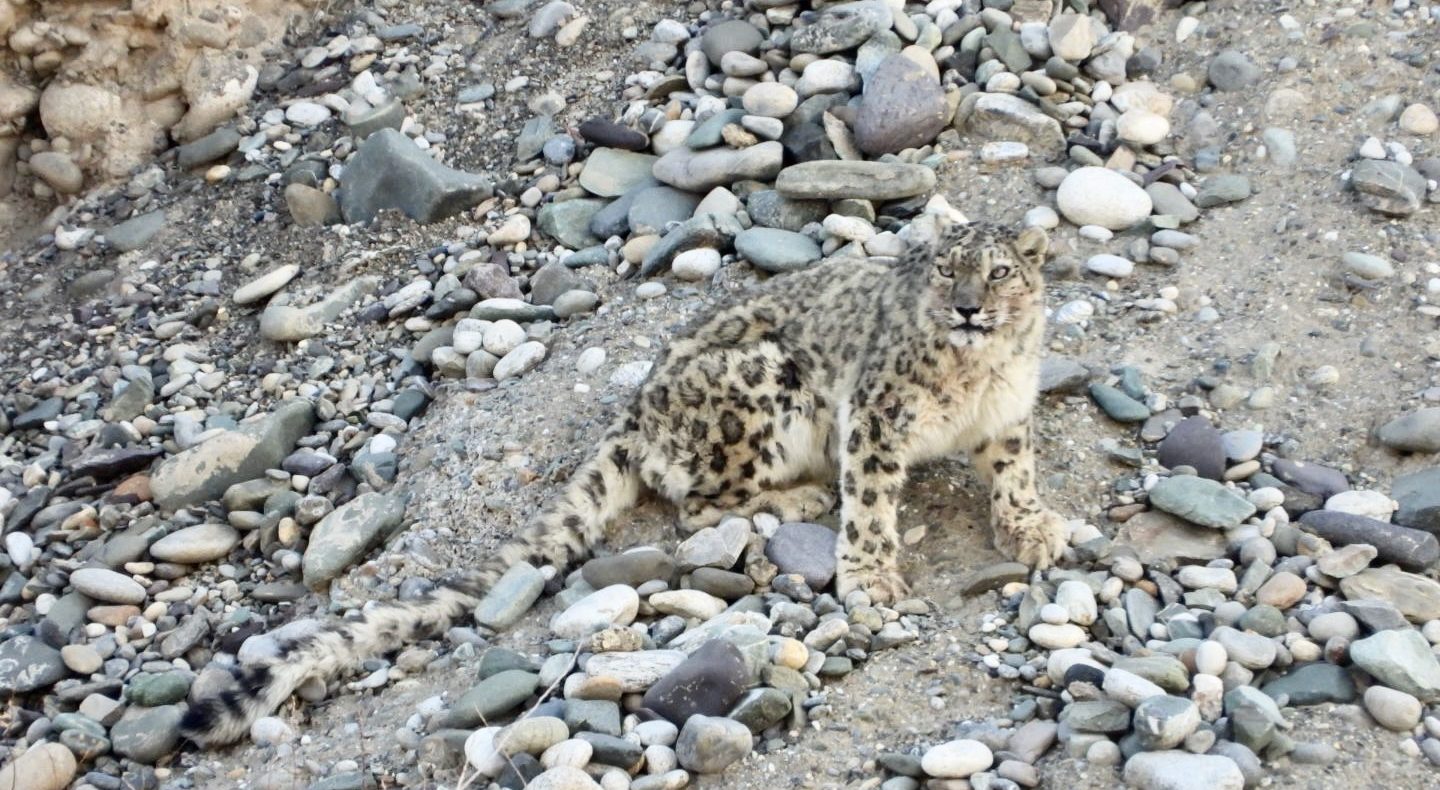
Photo by Rigzin Dolma
Red Panda
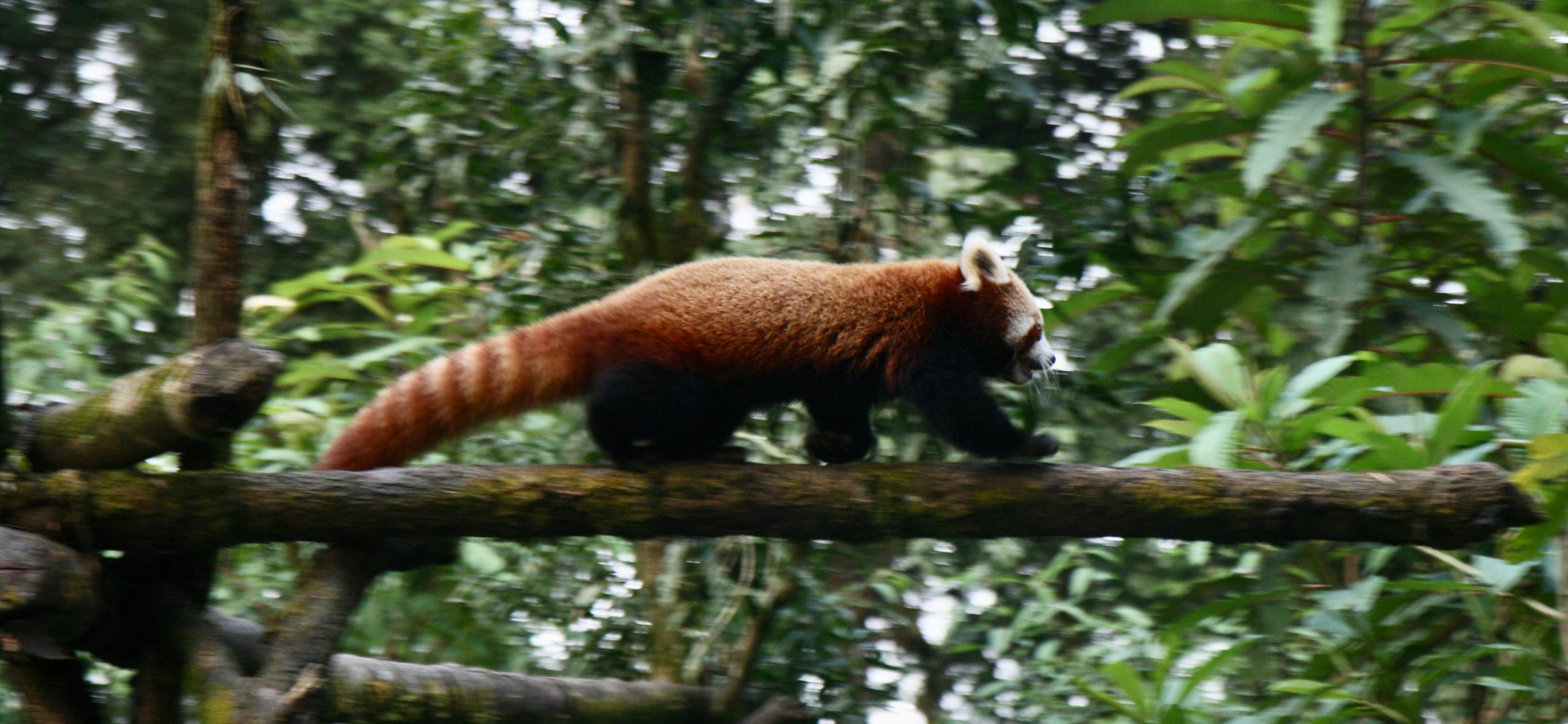
The red panda is the national animal of Sikkim — and very difficult to spot. They live in cool, bamboo-rich forests of the eastern Himalayas. The red panda is considered highly endangered, as its habitat is challenging and under threat. Deforestation, poachers, and stray dogs have all contributed to population decline. The Nepal–India border region along the Singalila Ridge offers the best chances of sightings, and this is where we also conduct observation tours. Of course, sightings cannot be guaranteed, but there is a reasonable chance, as the guides have good knowledge of how to locate them. October/November and March/April are not only the most pleasant months weather-wise but also the periods when the animals are most likely to be seen.
Birds
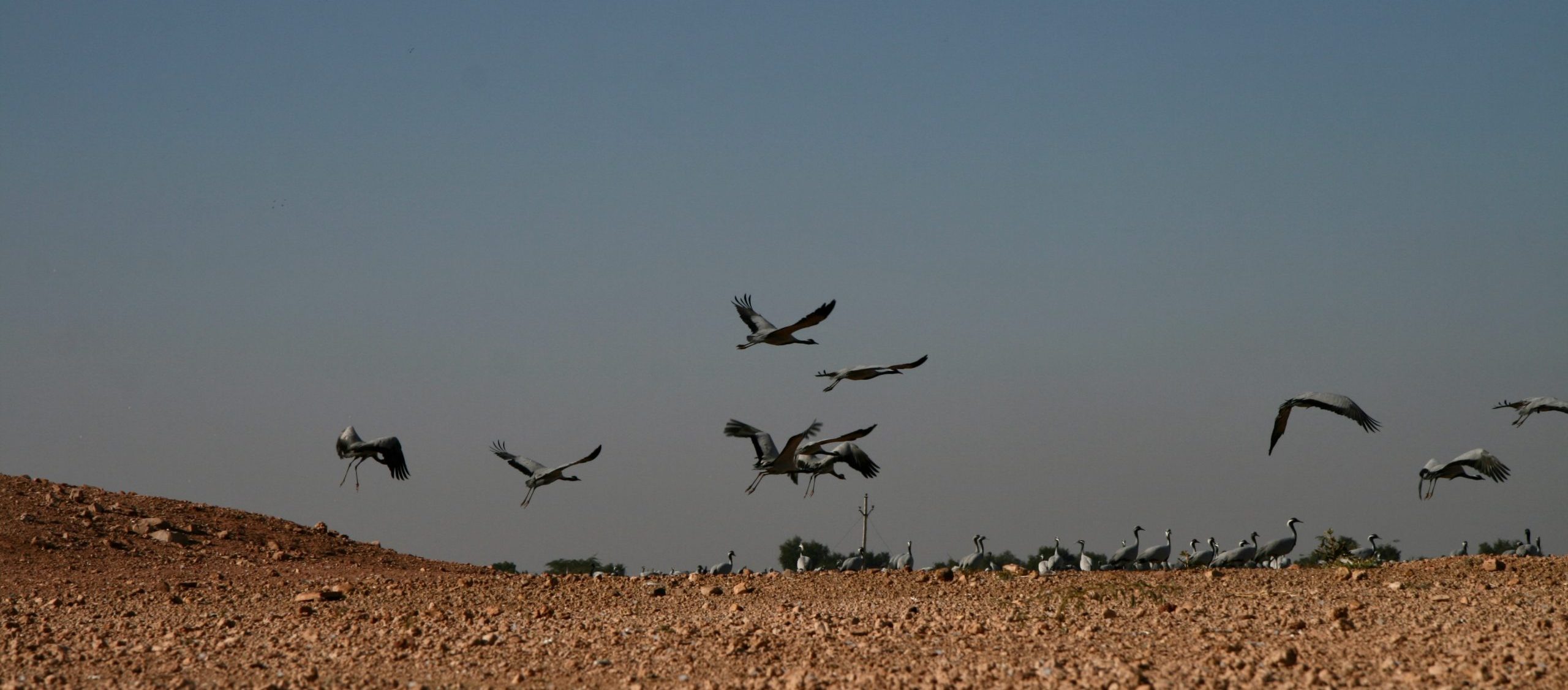
India alone is home to over 1,300 bird species, 80–90 of which are endemic. Everywhere, there are experts specializing in birds, and a birdwatching tour, especially in the early morning, is a truly special experience. Some highlights include Keoladeo National Park in Rajasthan, famous for its high diversity of birds, and Chilika Lake in Odisha, a vast lagoon hosting flamingos, waders, and raptors. The black-necked crane is the national bird of Ladakh, while demoiselle cranes overwinter in Phalodi, Rajasthan. There are also very rare and endangered species, such as the Indian bustard, great Indian bustard, or white-winged duck. But regardless of whether you travel to dedicated birdwatching areas or not, we can almost always include a birdwatching tour in your itinerary.
Nepal also offers exciting birdwatching tours — whether in the lowlands of Chitwan National Park, at mid-elevations around Kathmandu (especially Nagarkot), or in high-altitude regions such as the Annapurna area. A particularly noteworthy spot is Koshi Tappu National Park in the southeast, which is a birdwatcher’s paradise with over 440 species recorded.