

MADHYA PRADESH
Madhya Pradesh promotes itself with the slogan “The Heart of India” — and indeed, this is where you encounter a great many facets of the country. There are few states as diverse as this one, combining so much of what makes up “India” in a single place. For an introductory trip, or simply to gain a broad overview of India’s many dimensions, it’s easy to focus an entire journey on Madhya Pradesh alone. It offers: major cities (Indore, Bhopal, Jabalpur); famous monuments (Khajuraho, Gwalior, Sanchi, Orchha); the highest density of tigers (including Pench, Kanha, Bandhavgarh, Panna, and Satpura National Parks); important Hindu pilgrimage sites (Ujjain, Omkareshwar); hiking areas (Satpura and others); tribal communities with fascinating art traditions (Gond, Bhil, Baiga art); ancient rock paintings (Bhimbetka); stepwells (Mandu, Chanderi); India’s largest mosque (Bhopal); and villages and abandoned royal cities (Mandu, Orchha). Tourist infrastructure is well developed, yet Western travelers are still relatively few.
.
After Rajasthan, Madhya Pradesh is India’s second-largest state and almost as large as Germany. It is also located almost exactly in the geographical center of the country — so “The Heart of India” fits in that sense as well. At the same time, it is considered one of India’s poorer states. The state is shaped by the great Narmada River, several mountain ranges (the Malwa Plateau, the Vindhya Range, and the Satpura range), and has only two cities with over one million inhabitants: Bhopal and Indore. People speak Hindi and/or their respective tribal languages. Madhya Pradesh is home to a large and diverse tribal population, including the Gond, Bhil, Baiga, and Korku. Their everyday lives are closely connected to forests, agriculture, and seasonal rhythms. Their villages preserve their own languages, myths, rituals, and art forms — such as the narrative Gond painting tradition, which is less a style of art than a lived way of understanding the world.
Whether you already know parts of India or are visiting for the first time, in Madhya Pradesh you travel through a region that rarely takes center stage, yet is well structured for travel and has a great deal to offer. India without tourist hype.
Here you’ll find information on various aspects and travel ideas that we can integrate into your journey. Countless combinations of accommodations, safaris, sightseeing, encounters, activities, regions, and more can be put together.
On the road
Gwalior, located about 350 km from Delhi, is an excellent first stop and easily reached by car or train. More distant destinations are well connected by overnight trains, making it easy to avoid flying. Within Madhya Pradesh, traveling from place to place is simplest by car.
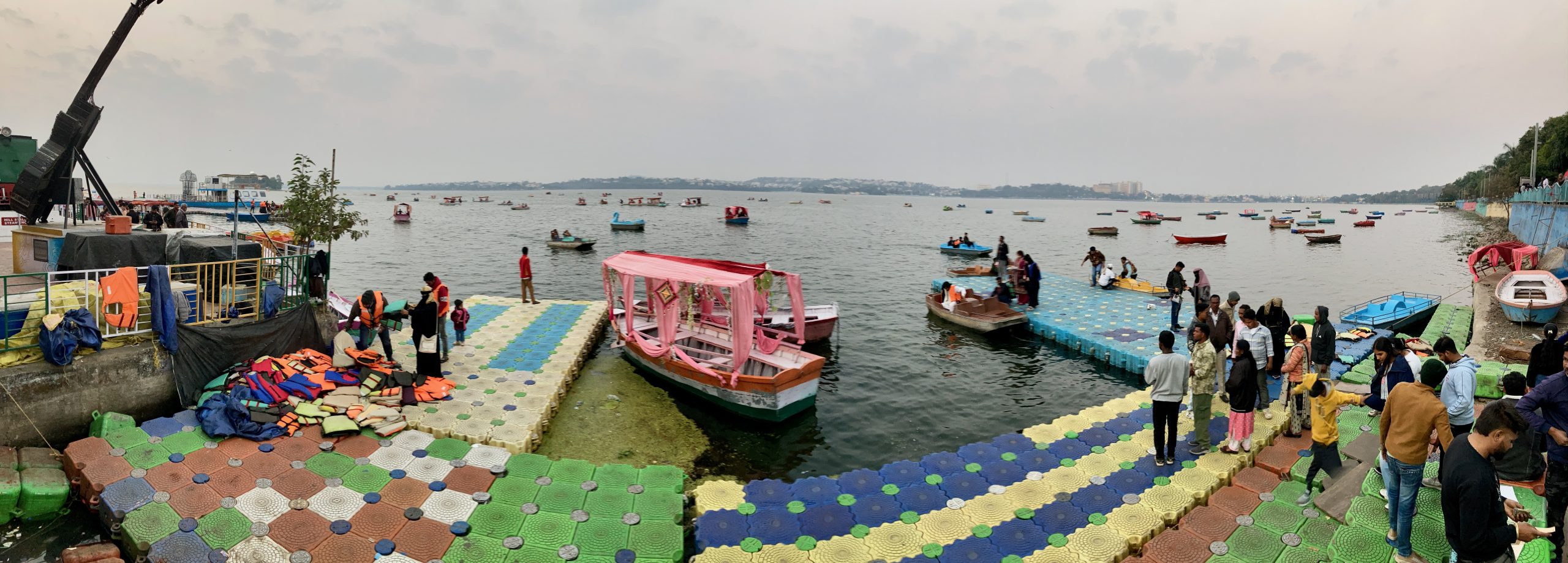
Madhya Pradesh offers several great opportunities for boat trips — whether it’s a relaxed ride on the Upper Lake in Bhopal, a boat safari on the Chambal River, or a journey along the Narmada, either through the Marble Rocks or past the ghats of Maheshwar.
Safaris in the national parks are conducted in comfortable small jeeps.
Accommodation
The range of accommodation is wide, from five-star hotels and heritage palace hotels to classic safari lodges, guesthouses, and local homestays.
Particularly worth mentioning are the accommodations run by the tourism board. In most other parts of India, these are not recommended as they tend to be too basic and run-down — but in Madhya Pradesh, their old-world charm adds a special Indian flair.
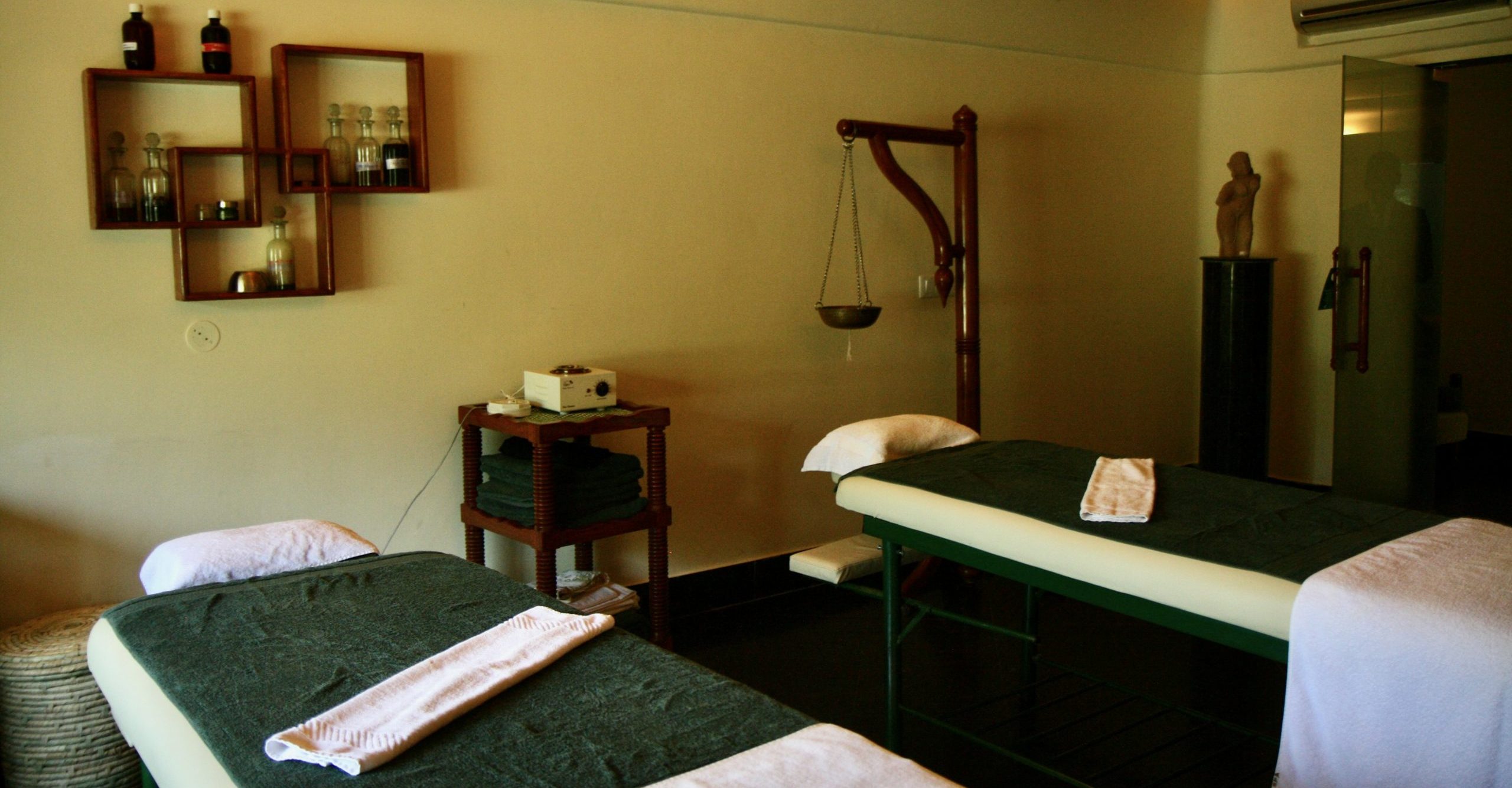
In better hotels, you also have the option of visiting spas that offer pleasant massage treatments.
Tigerspottings
Were you captivated by The Jungle Book and would like to visit its inspiration? Rudyard Kipling drew on the forests of Satpura and Kanha. Here, you can easily reconnect with those childhood dreams!
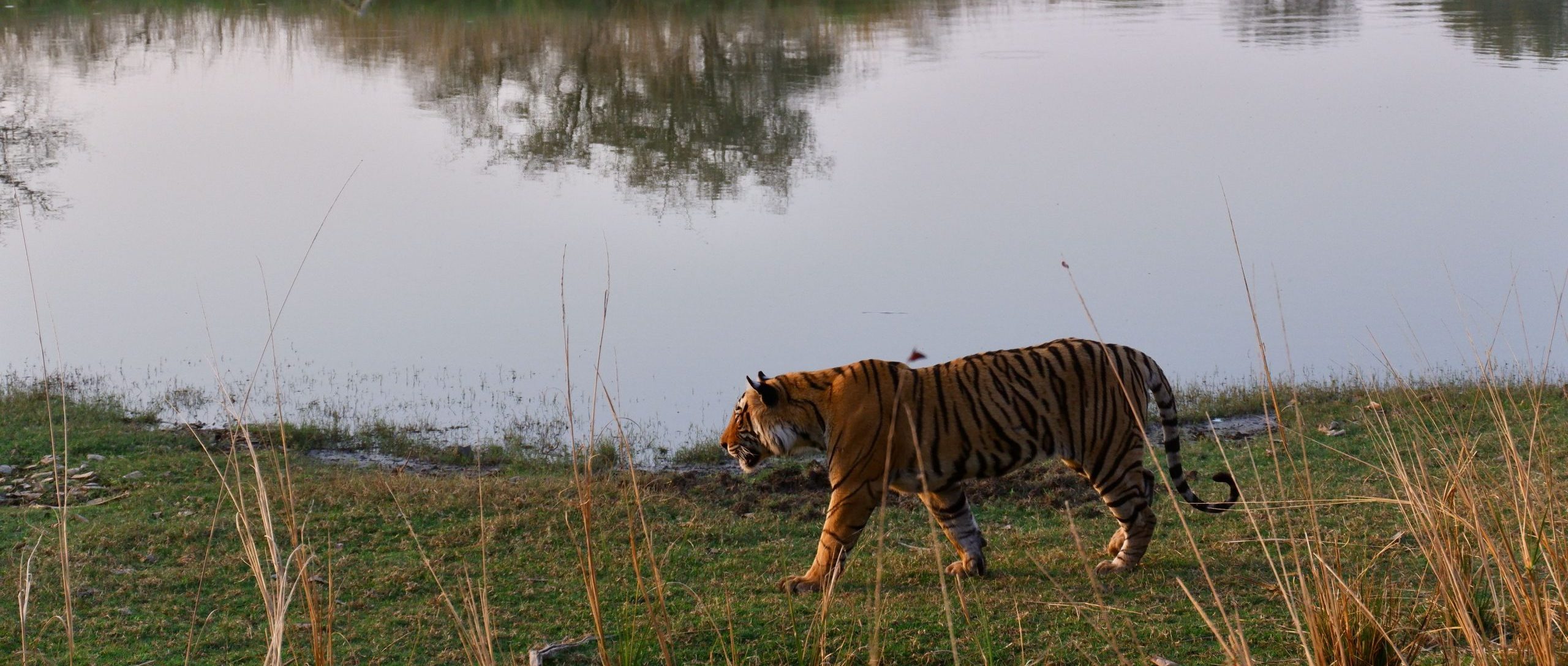
Madhya Pradesh is considered the heartland of the tiger. Here, they can be observed in their natural habitat across several national parks, including Kanha, Bandhavgarh, Pench, and Panna. Sightings usually take place on guided safaris in open vehicles, with wildlife rangers who know the animals’ movements and ensure safety. The chances of seeing a tiger vary depending on the season, time of day, and animal behavior; tracks, signs, and other wildlife are often visible as well.
In the national parks, you can also see elephants, leopards, sloth bears, various species of deer such as sambar, chital, and barasingha, as well as wild boar and nilgai. Birds, reptiles like crocodiles and gharials, and smaller mammals add to the diversity.
Safaris in the national parks are organized in fixed time slots to manage visitor numbers and protect the animals. Typically, there are two main slots per day: one in the early morning, around 6–10 a.m., and one in the late afternoon, around 3–6 p.m., when the animals are most active. We book these slots in advance — at popular times and parks, there can be shortages 2–3 months ahead. During the “tiger off-season,” it is sometimes possible to secure a slot on short notice.
Monuments and UNESCO
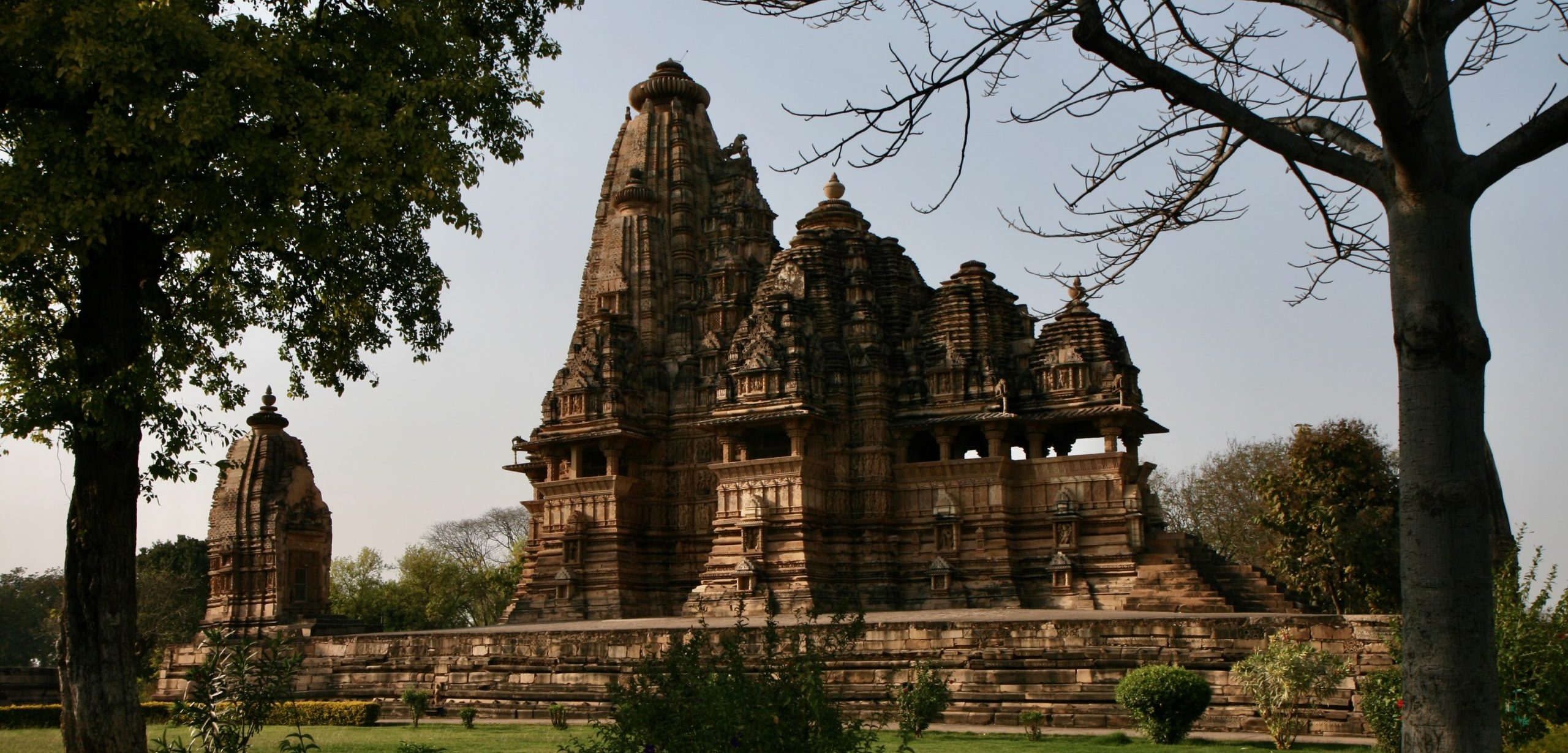
Madhya Pradesh boasts three UNESCO World Heritage Sites: Khajuraho, Bhimbetka, and Sanchi. Khajuraho is located close to Orchha and Gwalior, while the other two are in the vicinity of Bhopal. Khajuraho is a temple complex famous for its erotic sculptures, Sanchi is a collection of Buddhist stupas, and Bhimbetka features prehistoric cave paintings. Plenty of variety is thus guaranteed.
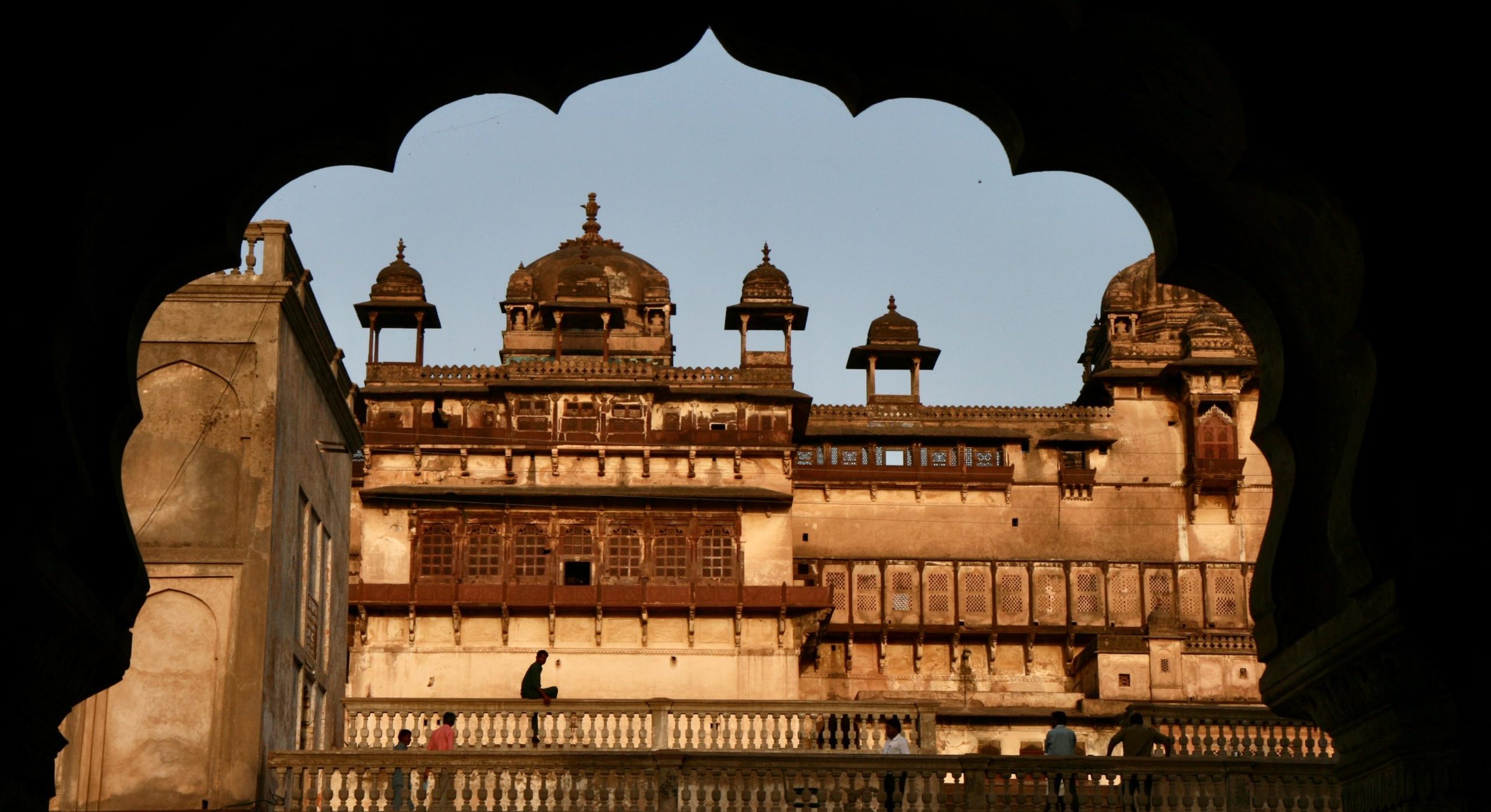
Other impressive historical structures include the large fort in Gwalior, the palace in Orchha, the abandoned ruins in Mandu, and the striking Taj-ul-Masjid in Bhopal, India’s largest mosque. There are also lesser-known but fascinating sites, such as the Chausath-Yogini Temple near Morena, which venerates feminine power; the Udayagiri Caves, with Hindu rock reliefs from the 4th–5th centuries; and the Ahilya Fort in Maheshwar, where overnight stays are possible. We could expand the list even further — if you’d like to see more off-the-beaten-path structures, we’d be happy to incorporate them into your tour plan!
Hindu Temples
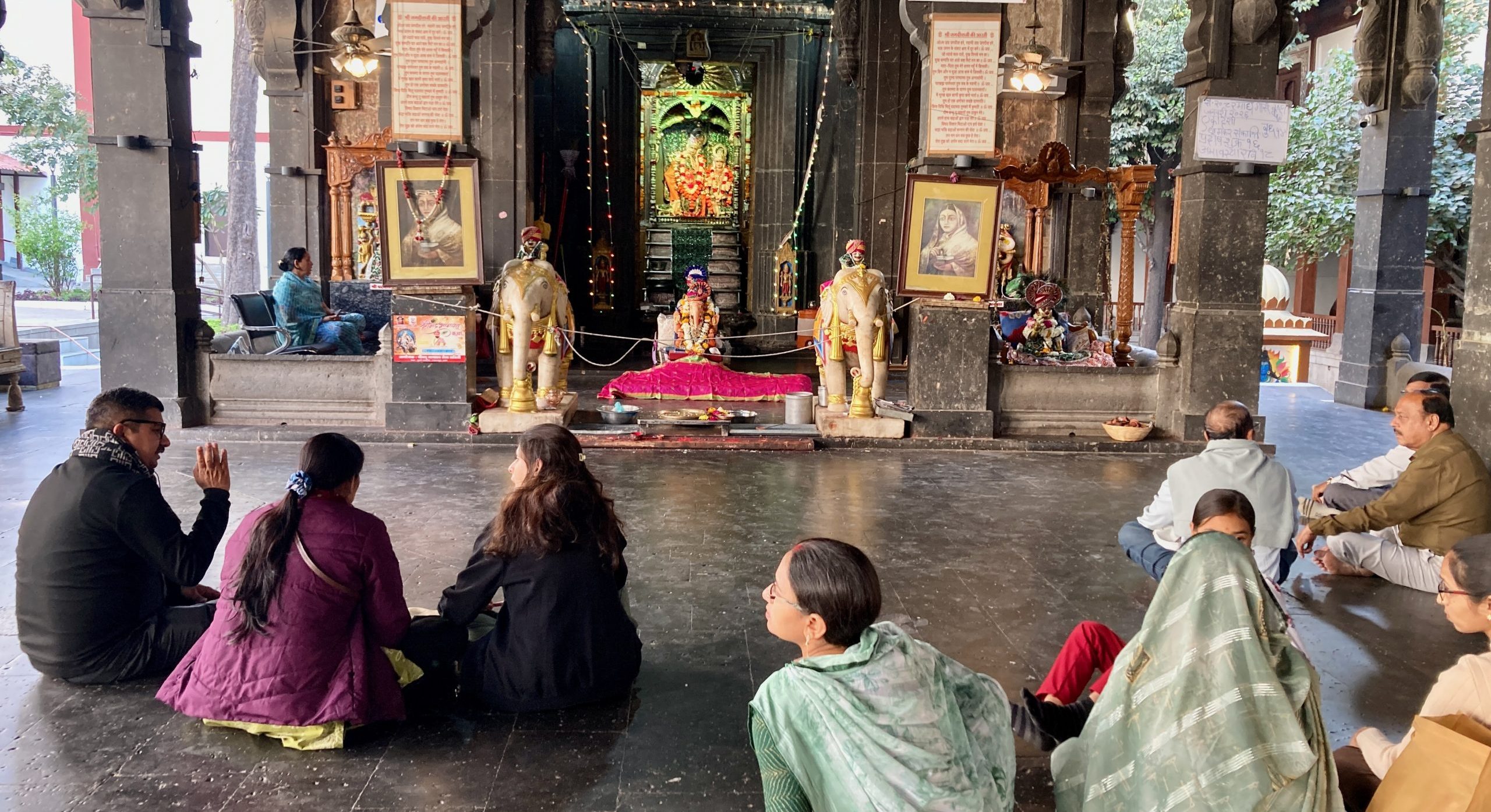
Hindu temples can be found all over India, and they are not always particularly striking in terms of architecture. Yet it is always fascinating to observe the devotees and their rituals. In this respect, Madhya Pradesh offers a truly special place: Ujjain. Ujjain is considered one of the holiest cities in Hinduism. It is one of the seven traditional Moksha Puris — places where believers hope to attain spiritual liberation. Its special significance arises from the presence of Mahakaleshwar as a major Shiva shrine (one of the twelve Jyotirlingas), its location on the sacred Shipra River, and Ujjain’s role as a recurring host of the Kumbh Mela. For centuries, religious practice, timekeeping, and pilgrimage traditions have converged here. There is always a lot going on, and the atmosphere feels like a “Varanasi light.
Another of the twelve Jyotirlingas is located in Omkareshwar, on an island in the Narmada River. This site is also frequented by many pilgrims, but without the surrounding chaos of a large city. About 70 km further downstream lies Maheshwar, a historic town with numerous ghats and temples.
Two places are associated with the Ramayana epic: Orchha, where Rama is worshipped as king, and Chitrakoot, a pilgrimage landscape of shrines, rivers, and forests where Rama spent time in exile. Also significant is the Chausath Yogini Temple near Morena, mentioned earlier; there are two more such temples in the state, one near Jabalpur and another near Khajuraho.
Beyond these, it’s always worth stepping into the “temple next door” as well.
Villages
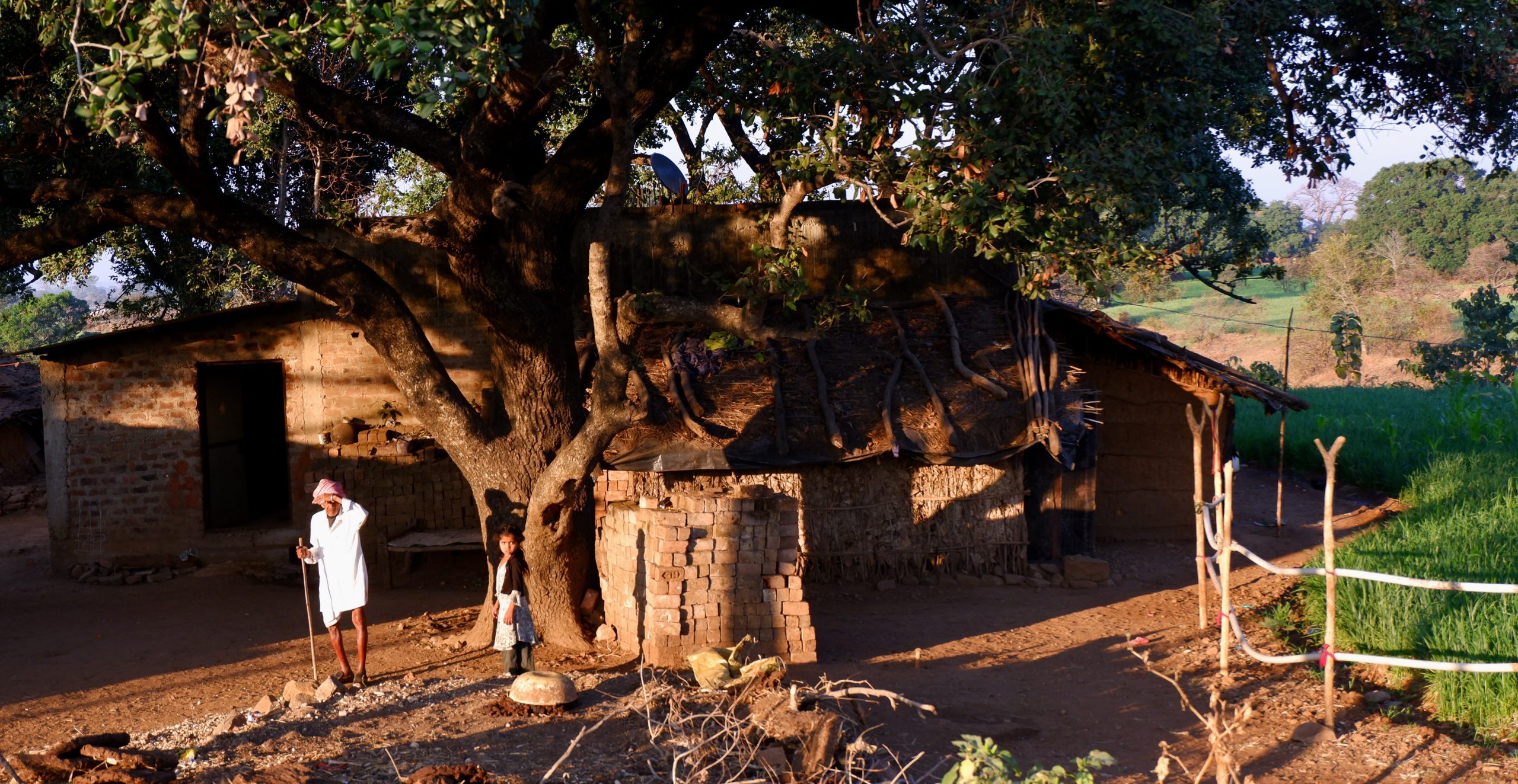
Village visits enrich your journey and offer deeper insight into life in Madhya Pradesh. Around 70% of the population lives in rural areas — one reason why a closer look at village life should be an integral part of any trip here. And what’s the best way to do that? By staying in a homestay. There are several homestays spread across the region where you can learn more about agriculture, local activities, and village life through warm, personal encounters. Another major plus: local cuisine is a highlight here, with homemade specialties on your plate that restaurants simply can’t offer.
Tribal communities in particular tend to live in villages — so this is where you need to go to learn more about their way of life. In regions such as Mandla, Dindori, Seoni, or the Satpura area, meaningful encounters can be arranged very well.
Orchha and Mandu are both village-like towns that also feature major sights, making them a pleasant mix for multi-day stays.
Beyond village life, the surrounding countryside often invites you to enjoy walks, hikes, picnics, or wildlife observation.
Ladpura Khas near Orchha offers insight into Bundelkhand village life and local festivals, while Gadarkhedi near Sanchi is known for its community-organized agriculture and sustainable structures. In Bagh, homestays combine everyday life with traditional textile crafts, and in villages of the Satpura region such as Madai or in the surroundings of Chopna, forests, rivers, and a calm rhythm of life take center stage.
You can also simply stop at “any” village and set off exploring — with or without a guide. There’s always something to discover and opportunities to connect with local people.
Beyond all the “learning and experience” aspects, a village stay is always a great opportunity to enjoy a slower pace, take pleasure in the simplicity of life, find some quiet, and listen to nature.
Art
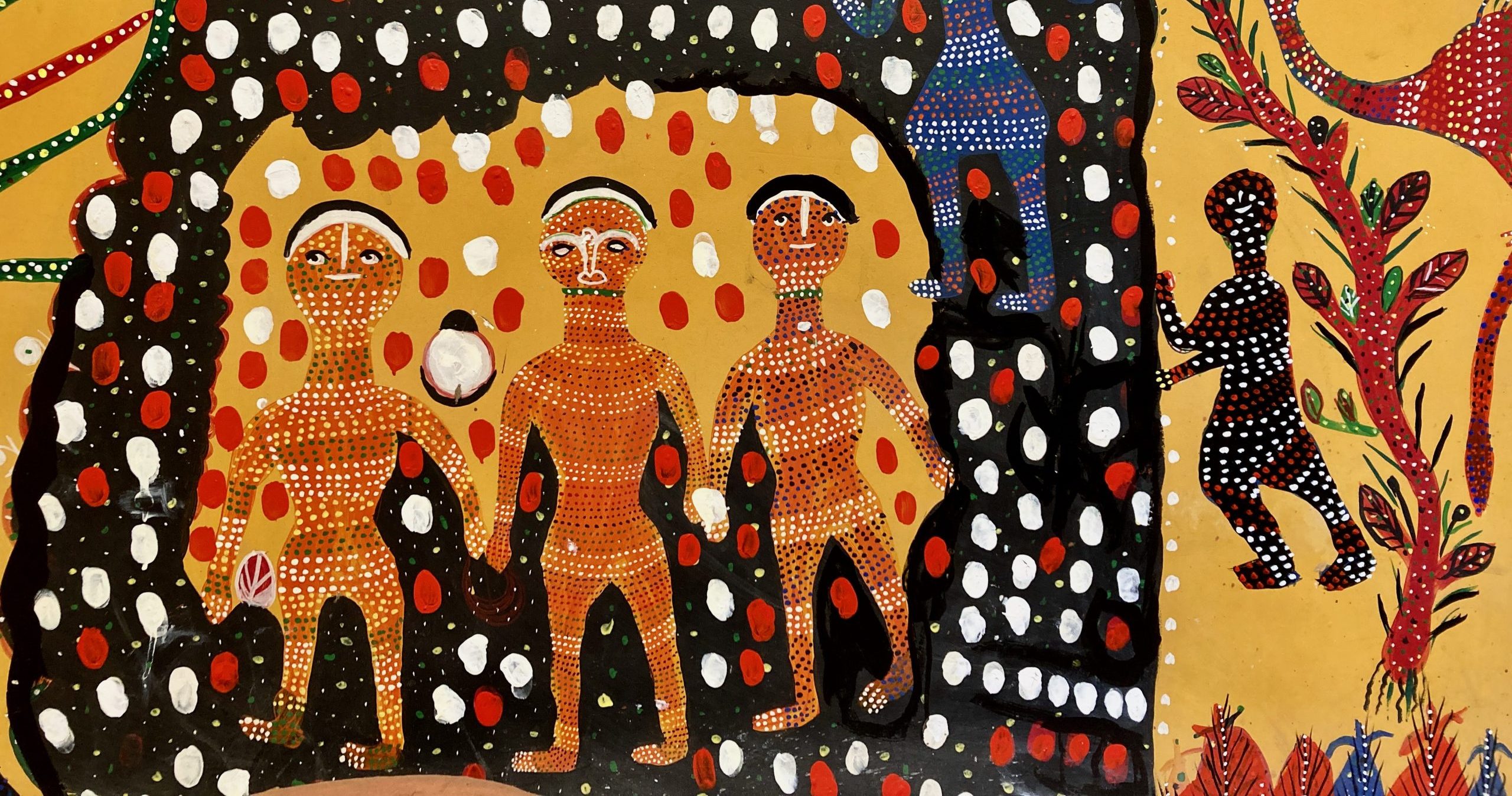
India has been making an effort in recent years to beautify public spaces with murals — a very welcome development, and Madhya Pradesh has plenty to see. Often, common painting techniques are used, but sometimes you also encounter designs from indigenous communities, which have produced an exceptionally rich variety of styles and motifs.
Beyond murals in public spaces, a visit to the Madhya Pradesh Tribal Art Museum in Bhopal is definitely worthwhile. It is a very well-curated and lively institution, where you can not only view finished paintings and installations with explanations, but also see the collection continuously expanded. Khajuraho also has an excellent museum — the Adivart Tribal & Folk Art Museum — where you can explore typical art forms of various tribes displayed in reconstructed traditional houses.
Textiles and weaving are not quite as famous here as in neighboring Gujarat, but Madhya Pradesh also offers remarkable craftsmanship, such as the printed fabrics from Bagh and the weaving traditions of Chanderi.
Festivals
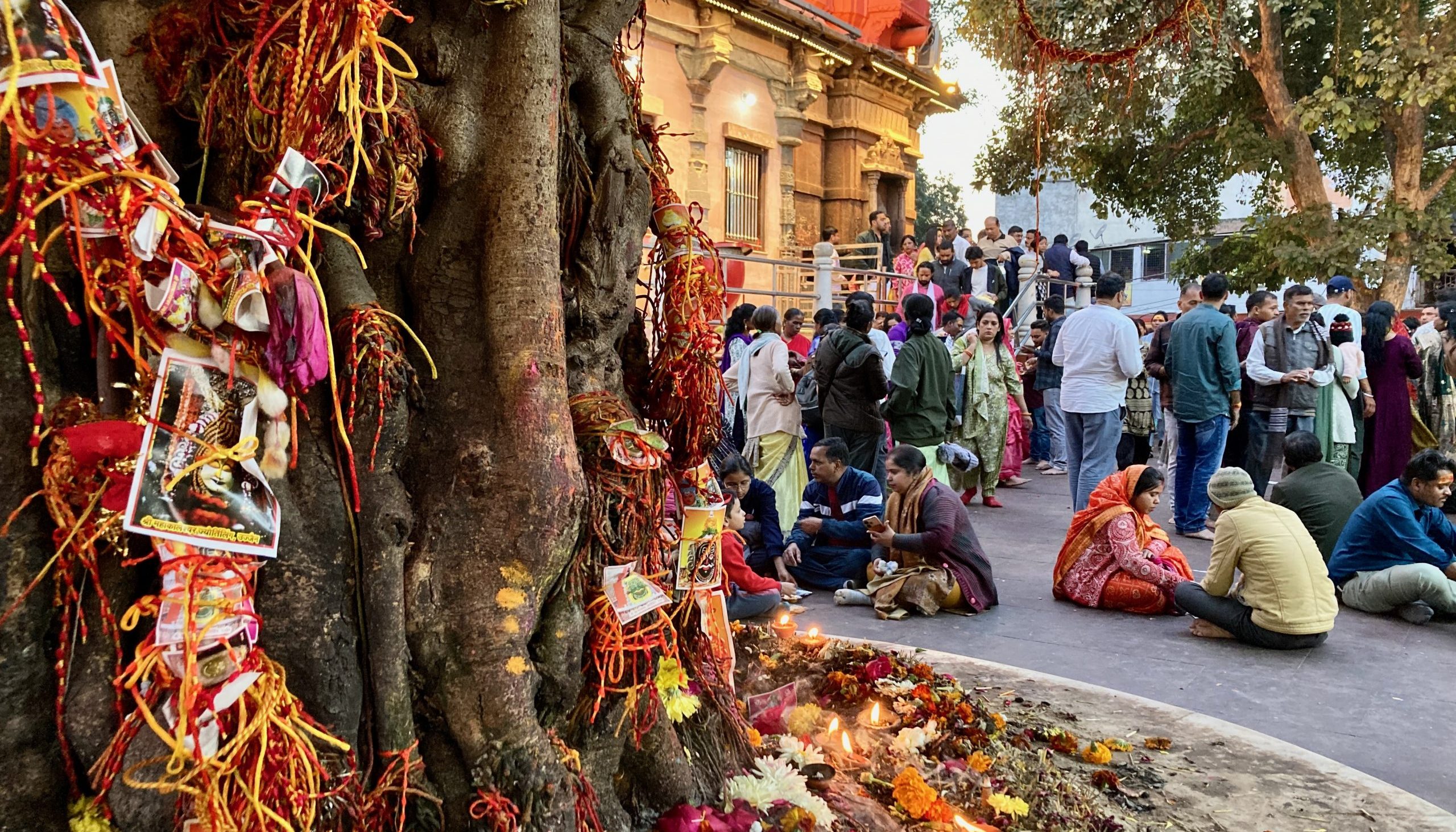
In addition to the Kumbh Mela in Ujjain, which takes place every 12 years, Mahashivratri is celebrated on a grand scale in both Ujjain and Omkareshwar, attracting many Hindu pilgrims. In Khajuraho, a festival in February features classical Indian dance performed among the ruins, while in December, the Tansen Music Festival in Gwalior showcases classical Indian music. The Bhil community celebrates their culture shortly before Holi at the Bhagoria Haat Festival in western Madhya Pradesh. Dates for the Karma and Madai festivals, both celebrations of the Gond community, vary: Karma usually takes place in August/September, and Madai in February.
When planning your trip, we highly recommend checking whether any of these festivals fall within your travel dates. It’s also worth considering nationwide holidays such as Diwali, Dussehra, Republic Day, Independence Day, or Holi.
other Specials
Wie oben schon beschrieben ist Madhya Pradesh ein Bundesstaat, der Vielfalt bietet. Ein paar Aspekte haben wir schon aufgezählt, hier sind noch weitere Besonderheiten:
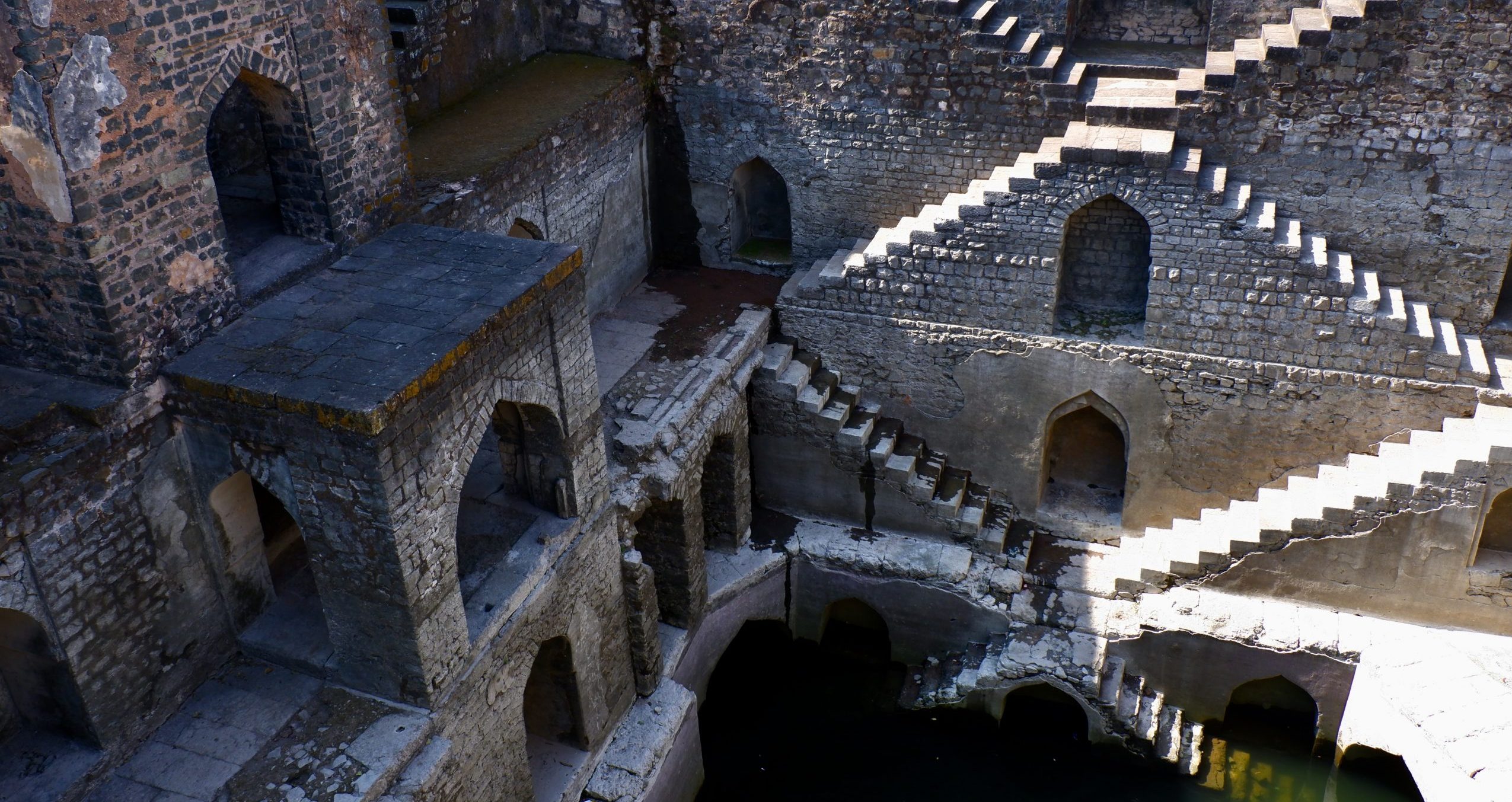
Stepwells
Although Madhya Pradesh doesn’t have a stepwell that made it into India’s top ten, there are still several worth seeing, such as the Champa Baoli in Mandu and the Rajmati Stepwell near Chanderi.
Jain-Temple Indore
The Jain temple Kanch Mandir, a Digambara temple, has an interior entirely decorated with colored glass and mirrored surfaces. It was built around 1903 by Sir Seth Hukumchand Jain and is unique in its design. Photography — as in all Jain temples — is unfortunately not allowed.
Buddhist Relics
During early Buddhist times, the religion spread well into Madhya Pradesh, and several religious sites were established. Chief among them is the impressive Sanchi, situated on a hill about 50 km from Bhopal. Around Sanchi, there are also other sites with ancient stupas. Additionally, there are several other interesting places: the Bagh Caves with historic rock monasteries, Bharhut in the Satna region with the remains of a stupa complex, and Deorkothar in the Rewa region, which features further archaeological finds.
Satpura
The Satpura region, with its national park, is a strikingly scenic, hilly area, ideal for walks, hikes, and even multi-day treks.
Amarkantak
Amarkantak is situated on a high plateau and is known as the source of the Narmada River. The region features dense forests, gentle hills, and waterfalls, making it ideal for day hikes. Along the way, numerous small and larger temples and pilgrimage paths can be explored, offering insight into the spiritual significance of the area.
Raneh Waterfalls
Very close to Khajuraho, the Ken River features a unique waterfall landscape — a great spot for a day trip!
If you read about other places, activities, or attractions and would like to include them in your trip — we can make it happen!