


NORTHEASTINDIA – AREAS
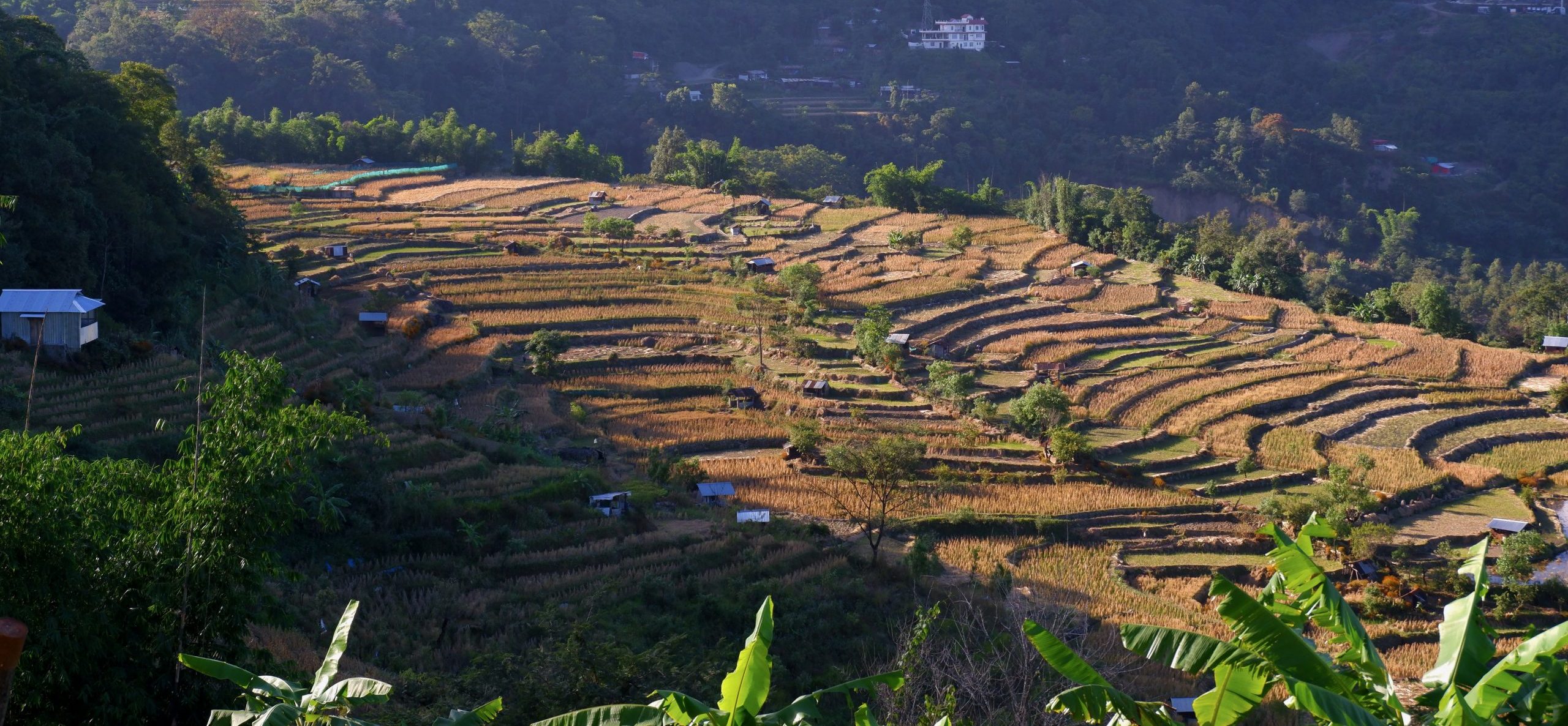
Instead of “areas” one could of course also say “states.” There are seven of them, known as the Seven Sisters. And, as it is with sisters, they have similarities — as well as many differences. We describe the four most important for tourism in more detail, while the other three are summarized together.
Arunachal Pradesh
The northernmost state of the Seven Sisters is Arunachal Pradesh. Due to its border with Tibet/China, which has disputed sections, a) you cannot go everywhere, b) a permit is required, and c) this permit is only granted if there are at least two foreign travelers together. But once these hurdles are cleared, a fairly large number of interesting towns and areas are open to exploration, offering a good insight into the region.
Arunachal Pradesh ranges in altitude from 150 m to 7,090 m, resulting in a highly diverse flora and fauna. With just 17 inhabitants per square kilometer, it is very sparsely populated. Twenty-six main tribes, with around 100 sub-tribes, make the region culturally very diverse as well. Various forms of interaction — guided walks, shared meals, cooking, conversations, crafts, and fieldwork — can form the heart of a trip here.
A major attraction is the Tawang Monastery, the second-largest Buddhist monastery after the Potala in Lhasa. It was built in the 17th century and belongs to the Gelugpa sect. Located at around 3,000 m, it is breathtaking, and the surrounding area offers many other appealing sites. Traveling through western Arunachal Pradesh requires ample time, but there are plenty of additional attractions, including Monpa villages, Bomdila Monastery, Sela Pass, the Dirang Chu valley, high pastures, lakes, and waterfalls. Day hikes are also easily possible here.
If you continue eastward, you can either return to the Brahmaputra plain and then travel via the capital, Itanagar, to Ziro — with many opportunities for interesting stops along the way — or take a long driving day on NH 13 through “empty landscapes.” This route allows you to visit places you may have missed on the outward journey. Nature lovers will find a great diversity of wildlife in the Pakke Tiger Reserve — though tiger sightings are not guaranteed.
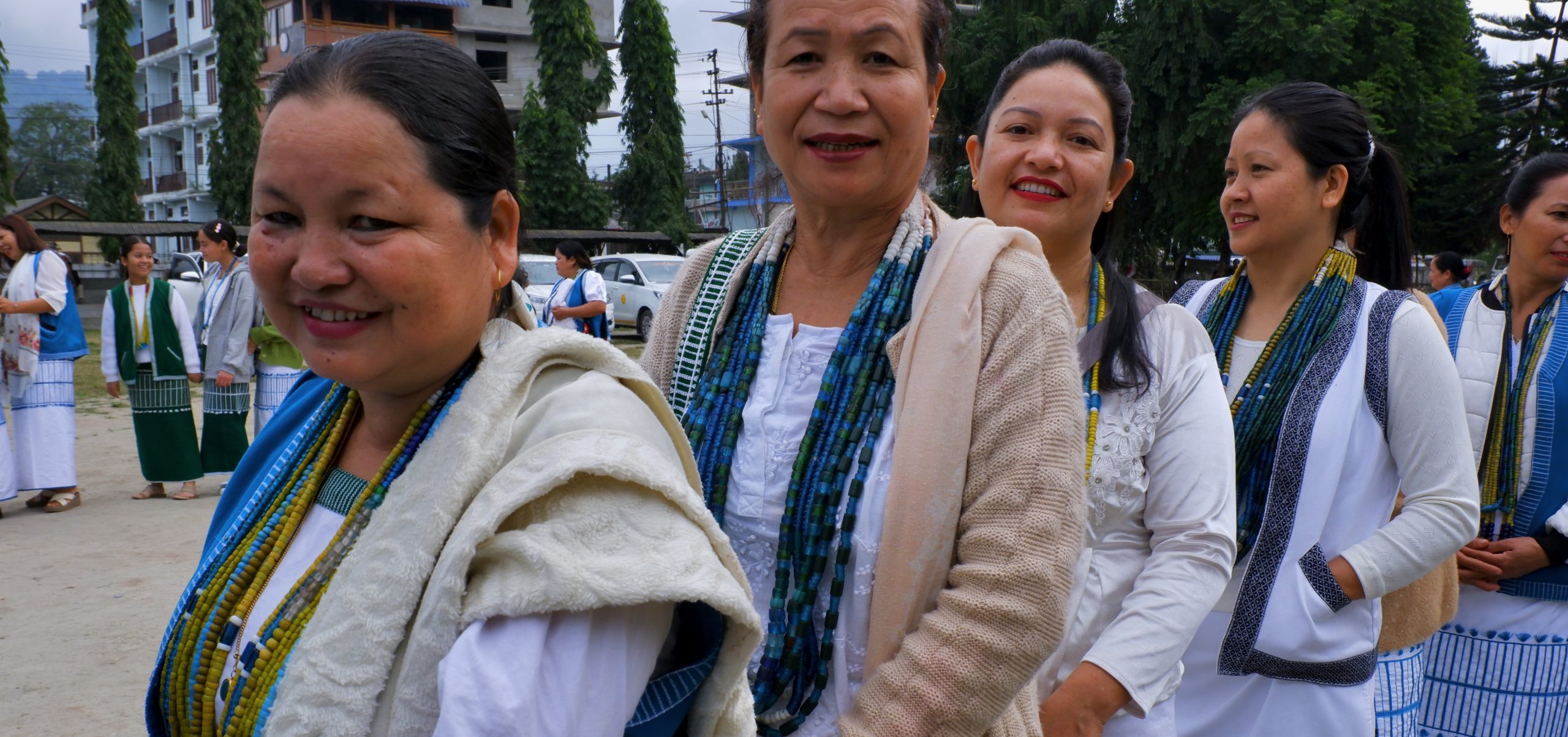
The Ziro Valley is a large, picturesque valley at around 1,500 m and is home to the Apatani, a distinct community that has preserved many of its traditions. It is an excellent place for village walks.
The journey continues eastward via Daporijo and Aalo to Pasighat. Along the way, many villages are home to tribal communities such as the Nyishi, Hill-Miri, Adi Galong, and Galong. From Aalo, it is also possible to continue north into the Mechuka Valley. The entire region is characterized by solitude, nature, and small villages. Tourist infrastructure is very limited — which has the advantage of encountering few other travelers.
There are also opportunities to include day hikes or multi-day treks. Arunachal Pradesh is definitely an interesting destination for beautiful mountain landscapes, village encounters, and the fascinating history of a state bordering Tibet/China and Myanmar. Buddhism, the Donyi-Polo faith, and Christian missions provide intriguing insights into the cultural landscape of one of India’s least-visited regions.
Assam
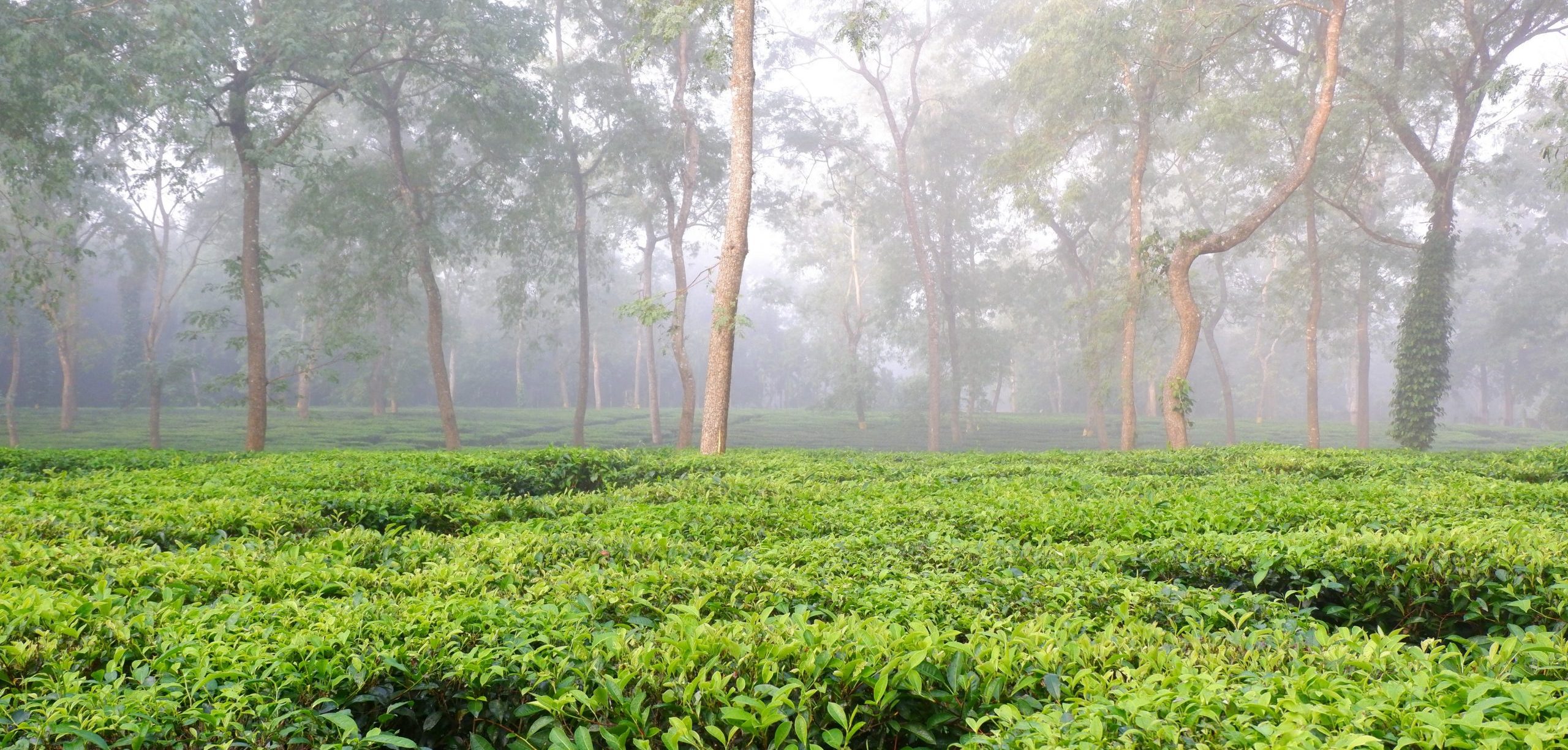
Directly south of Arunachal Pradesh lies Assam — known, for example, to us through the popular Assam tea. Here, you can not only drink it but also watch its harvesting and/or processing. The cultivation of tea gives Assam a somewhat different colonial history compared to the other Northeastern states — the British had immense interest in the land. They established plantations, brought in laborers, and improved the infrastructure.
Due to the vast flat expanse of the Brahmaputra Valley, Assam has also been more easily accessible, making travel there somewhat more comfortable than in other parts of the Northeast. Assam stretches a long way along the Brahmaputra and has a significant southern extension reaching the borders of Tripura and Mizoram.
The first major destination, and often the starting and/or ending point of a trip, is Guwahati. To the west and northwest, there are interesting sites where you can observe the production and processing of various silk fabrics. In Guwahati itself, the main attractions are the Maa Kamakhya Temple (dedicated to the worship of femininity) and the Umananda Temple, located on an island in the Brahmaputra River.
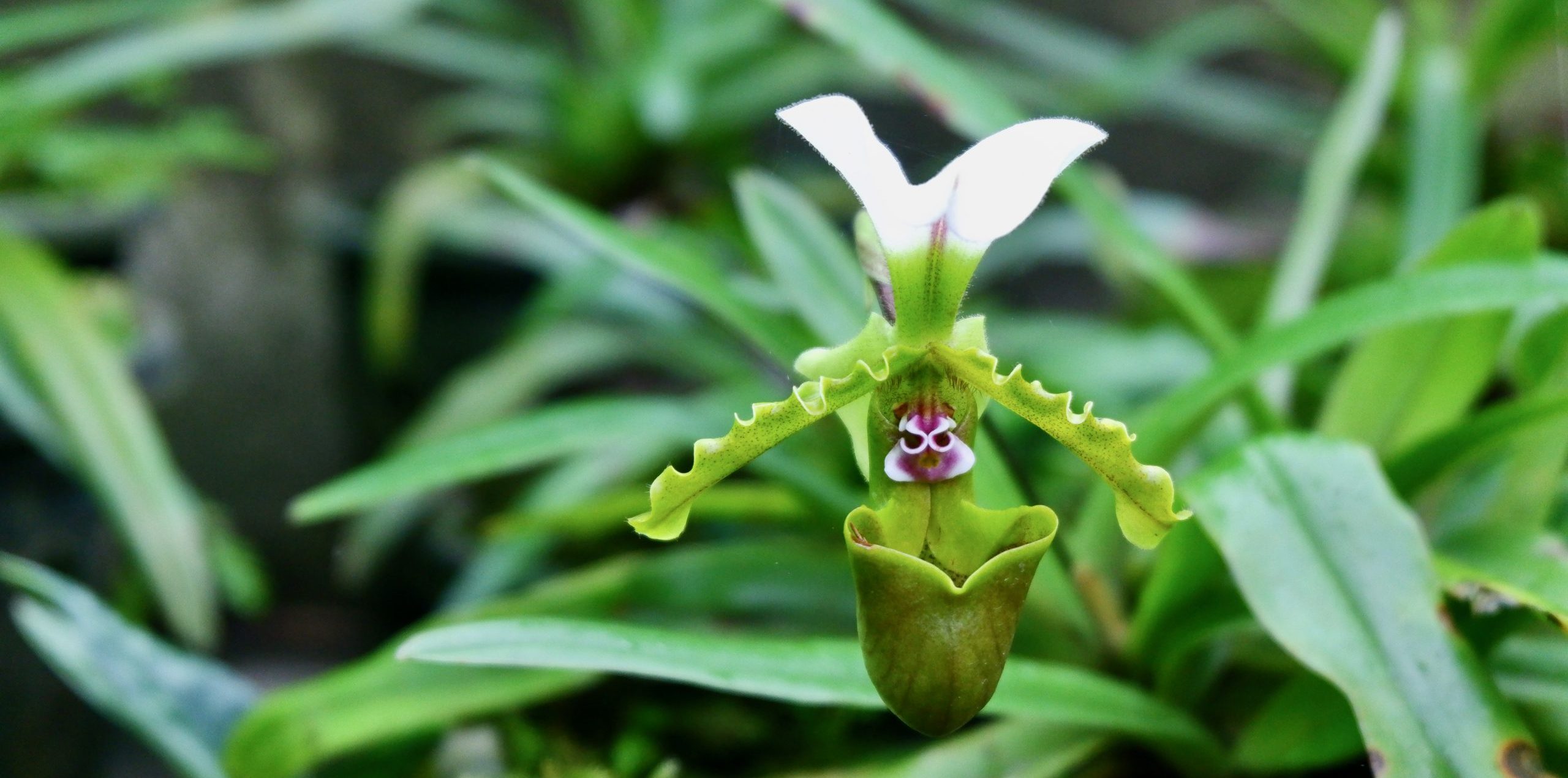
Kaziranga National Park is a short day trip away and offers guaranteed sightings of one-horned rhinoceroses, either from the back of an elephant or in a jeep. In addition, there are many other interesting animals, and early in the morning there are good opportunities for birdwatching. The area also features a fascinating community-run, living museum of Assamese culture with a large orchid collection, as well as a well-maintained vintage car museum.
Continuing westward, one passes through Jorhat with the Hoollongapar Park (home to white-cheeked gibbons) to reach the large river island of Majuli. Majuli has a magical charm, with many Vaishnavite monasteries, and is also famous for mask-making, dance, music, and education. On cycle tours and walks, you can explore the smaller Mising villages, with a traditional meal completing the experience.
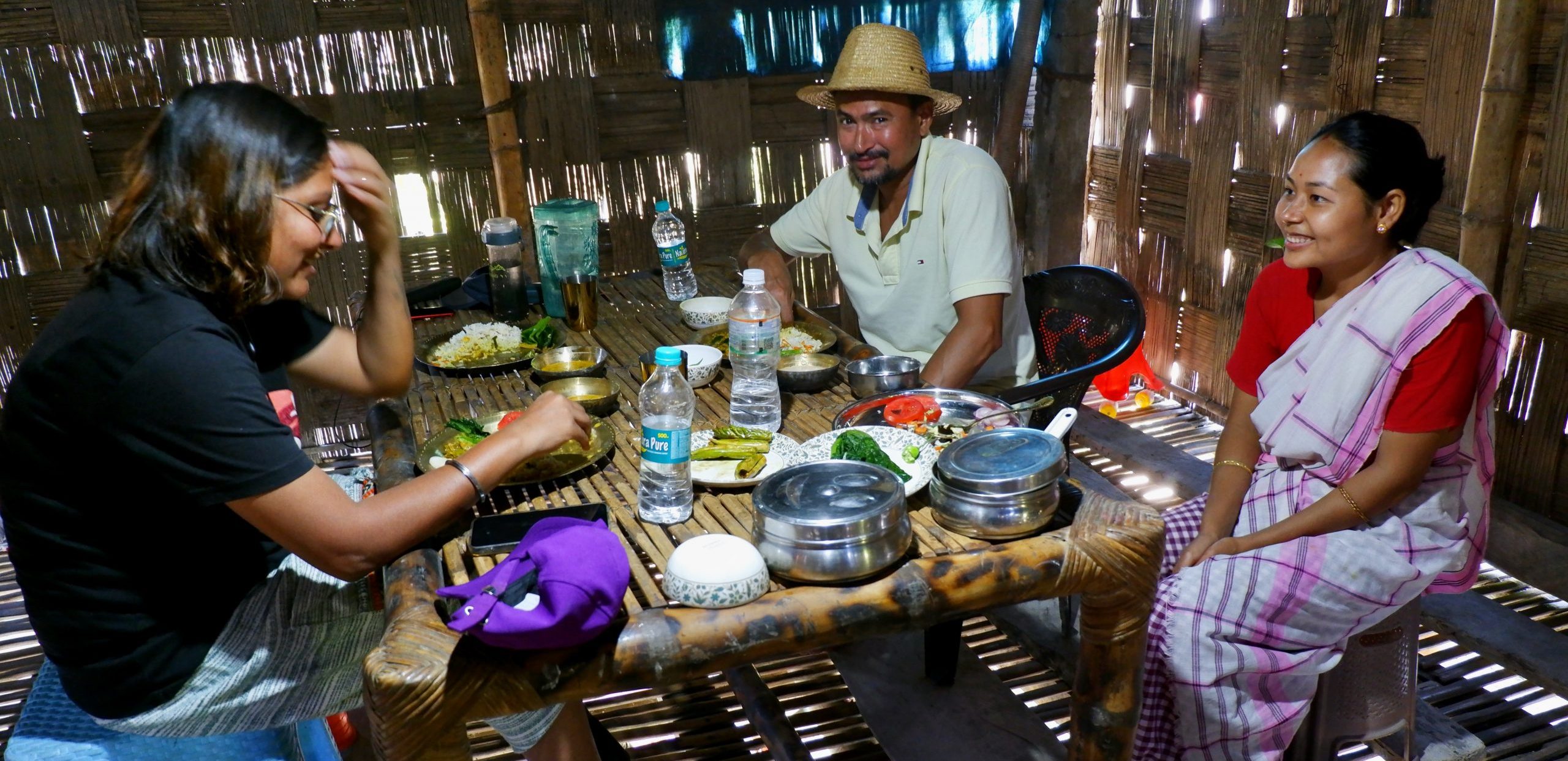
Continuing eastward, you enter an area of “classic Assam” — rich in history, with sites such as Sibsagar, the former capital of the Ahom kingdom. Here you can also explore tea plantations, the expansive river landscapes of the upper Brahmaputra, and the oldest oil refinery with its museum in Digboi. Smaller Buddhist sites can be found in towns like Namphake and the surrounding area. In addition, there are further national parks for wildlife and plant observation, such as Dehing Patkai, a tropical lowland rainforest, and Dibru-Saikhowa National Park, home to wild horses.
The southern tip of Assam includes the Barak Valley (Cachar, Hailakandi, Karimganj) and the hilly region of Dima Hasao, with Haflong. The lowlands are fertile, strongly influenced by Bengali culture, and dominated by Hinduism and Islam, with Silchar as the main center. The hilly region is sparsely populated, forested, and home to numerous indigenous groups such as the Dimasa and Zeme Naga, each with their own language, culture, and religion. Haflong, Assam’s only hill station, offers a cool climate, lakes, mountains, and spectacular railway routes (with connections from Guwahati). Overall, the region combines river landscapes, indigenous culture, and pristine nature, remains little developed for tourism, and showcases Assam’s diversity in a condensed form.
Nagaland
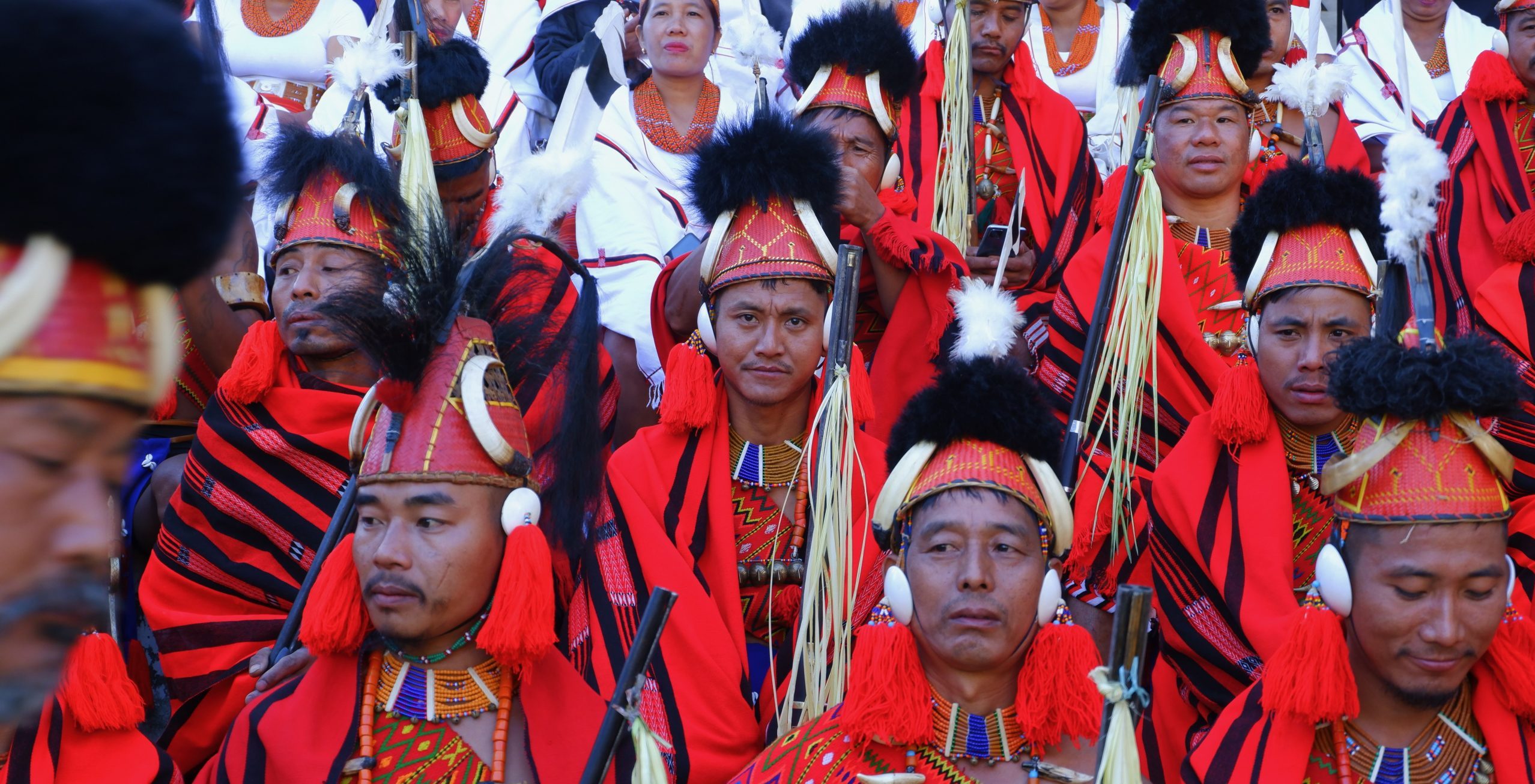
The state of Nagaland lies in the far northeast of India, on the border with Myanmar, and is culturally quite distinct from the rest of the country. The hilly, heavily forested region is home to numerous Naga tribes, each with its own language and traditions. Unlike much of India, the population is predominantly Christian — a result of British missionary work. The colonial period is viewed relatively pragmatically and sometimes positively here, as the British relied less on direct rule than in many other parts of India, instead focusing on mission work, education, and administration through local structures. Missionaries introduced formal schooling and developed writing systems for languages that had previously been purely oral, enabling interregional communication and access to education and administration for the first time. As a result, many Nagas feel culturally less connected to “mainstream India” and more aligned with their own tribal identity — and Christianity is remarkably firmly established as a shared frame of reference.
The usual starting point for a trip to Nagaland is Dimapur — a city with an airport, railway station, a vibrant local market, and a unique attraction: the specially designed monoliths at the Kachari ruins. From here, it is easy to reach the capital, Kohima. Kohima features the legendary War Cemetery, the Nagaland State Museum, and local markets, and serves as an ideal base for excursions into the surrounding area, for example to the villages of Khonoma and Kigwema, home to the Angami Nagas. It is also where the famous Hornbill Festival takes place in December.
A day trip also takes you to the Lotha community in Wokha. Here, the villages and landscapes provide a good insight into everyday life.
A notable natural feature is the Dzukou Valley, located not far from Kohima, which can be explored on a 1- to 2-day hiking trip. The Japfu Peak, at 3,048 m the second-highest mountain in Nagaland, is also in the area and can be climbed.
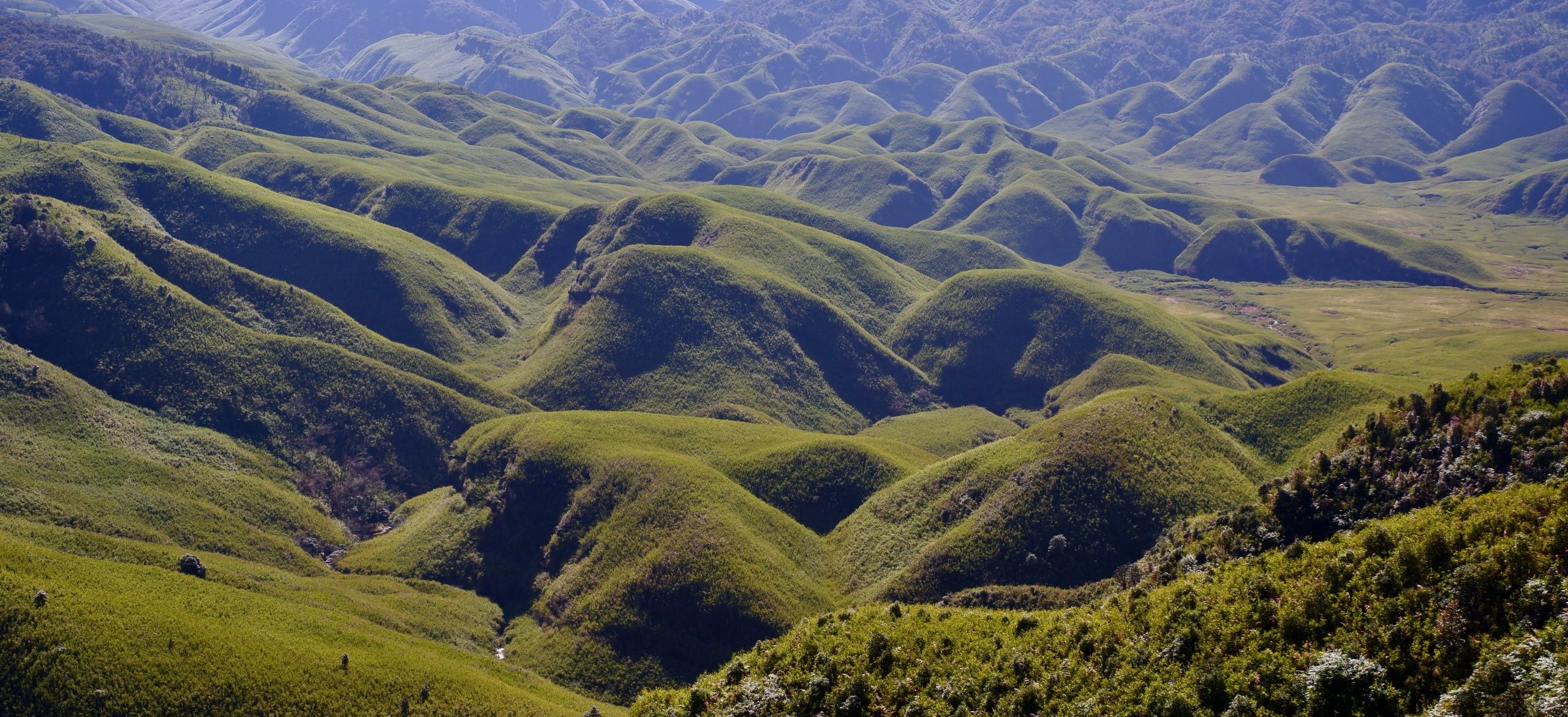
From Kohima, you can travel along narrow, winding roads to Mokokchung, the center of the Ao Naga tribe. A stop here is worthwhile to explore the beautiful landscape and several villages. The journey then continues into the Mon region, up to the border with Myanmar. Along the way, you pass through areas inhabited by the Phom, Chang, and Yimkhiung tribes. This remote, hilly, forested area at the far end is home to the Konyak, a historically fierce Naga tribe. Much of their traditional architecture is still preserved. Tourism in the region is minimal, and accommodations and infrastructure are basic. Overall, the Mon region offers a rare insight into authentic indigenous culture and remote mountain landscapes, far off the usual tourist routes.
Nagaland is an excellent travel destination for those interested in traditional tribal customs and their transition into modern life, combined with beautiful landscapes and a unique history.
Meghalaya
Meghalaya lies south of Assam and is one of the most scenic states in Northeast India. Its name means “Abode of Clouds,” which fits well with the green plateaus, deep gorges, and extremely high rainfall. Meghalaya is known for its waterfalls, caves, living root bridges, and gentle hill landscapes around Shillong, the state capital. A special feature is the traditionally matrilineal tribal communities of the Khasi, Jaintia, and Garo.
Starting from Shillong, both day trips and multi-day tours are possible. The Jaintia Hills in the east not only feature extensive cave systems in the mountains and impressive waterfalls, but also a unique collection of monoliths in Nartiang. Additional monoliths can be found in the Khasi Hills around Shillong. This rainy region (Cherrapunjee is considered one of the wettest places in the world), with its rugged, forested mountains, offers an exceptionally green and unique landscape. It is also home to the famous living root bridges, which can only be reached after rather slippery hikes. In the west are the Garo Hills, a much gentler area with less dramatic landscapes, but a large, intact forest with high biodiversity and a small chance of spotting a red panda.
In addition to urban Shillong (where the Don Bosco Museum is considered the best ethnographic museum in the entire region) and the three hill regions with their respective tribal communities, the Umiam Plateau with Umiam Lake north of Shillong is also worth mentioning.
Tripura, Mizoram and Manipur
That would also be completely new territory for us… In any case, Manipur is off-limits for now, as it is too dangerous due to internal unrest.
Tripura is small, densely populated, and culturally strongly influenced by Bengali traditions, with quiet palaces, temples, and archaeological sites such as Ujjayanta Palace and Unakoti. The landscape is gentle, the region is little visited by tourists, and it is mainly suited for those with a cultural interest.
Mizoram, by contrast, is a true mountainous region: steep, forested hills, clear air, little traffic, and a strongly Christian Mizo culture with a pronounced community focus. Travel here is slow, nature- and village-oriented, with highlights such as Aizawl, viewpoints, hikes, and very authentic local encounters. Even though we haven’t been there ourselves yet, we have reliable contacts on the ground who can arrange a well-organized trip to the region!